

Rental reset cleaning protocols are structured procedures that return a property to guest-ready condition between stays. Property managers and short-term rental hosts who treat these protocols as optional quickly discover the cost: poor reviews, bond disputes, and accelerated property wear. The industry distinguishes between two core protocol types, turnover cleans and scheduled deep cleans, each serving a distinct operational role. Understanding the full range of types of rental reset cleaning protocols helps you build a system that protects your property, satisfies guests, and keeps turnovers on schedule.
Types of rental reset cleaning protocols: same-day turnover cleans
The turnover clean is the most frequently used reset cleaning process in short-term rental management. Its goal is a single, non-negotiable outcome: a guest-ready property within a fixed window.
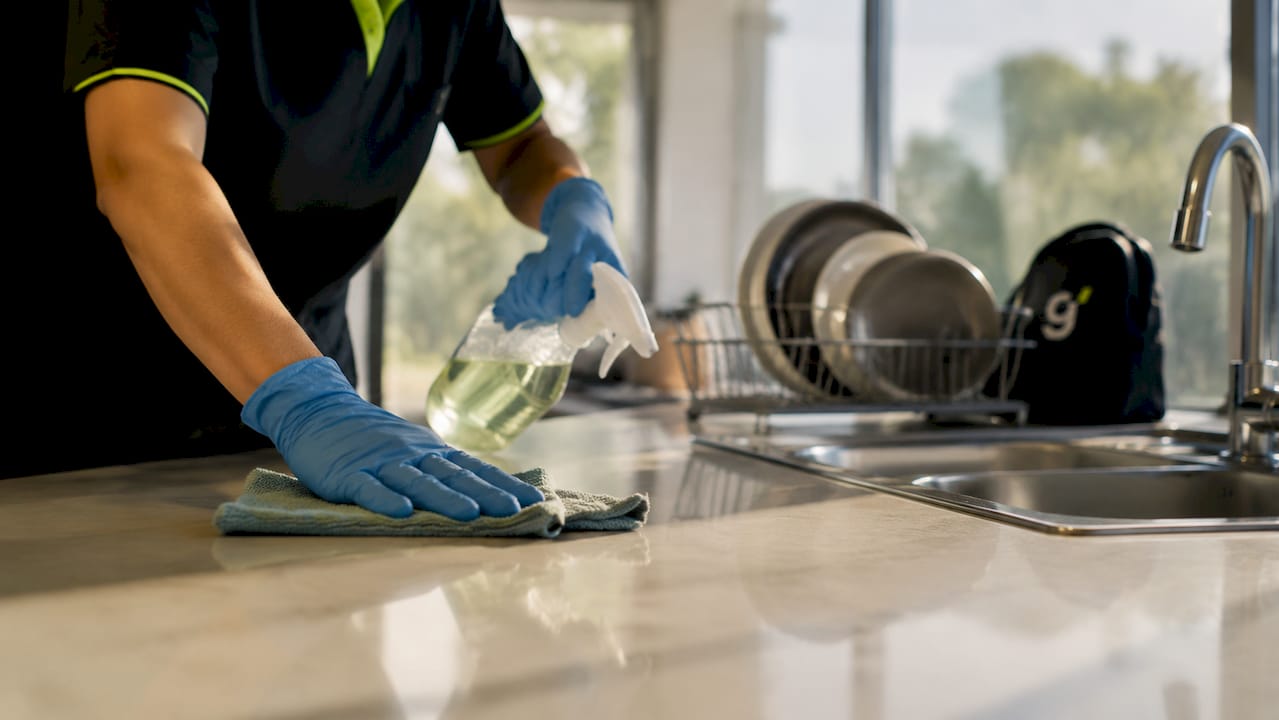
Turnover cleans focus on fresh linens, surface sanitisation, and supply restocking, completed within 45 to 210 minutes depending on property size. That window leaves no room for deep tasks, which is precisely why a separate protocol for those exists.
What a turnover clean covers
- Strip and replace all bed linens and towels
- Sanitise bathroom surfaces, toilet, basin, and shower
- Wipe kitchen benches, stovetop, and sink
- Empty bins and replace liners
- Restock consumables: soap, toilet paper, and condiments
- Vacuum and mop all floors
- Spot-clean mirrors, glass, and high-touch surfaces
Pro Tip: Use a linen service rather than washing on-site. Linen services allow professional crews to scale across 20 or more properties without laundry bottlenecks slowing each turnover.
Quick surface pass protocol
When checkout and check-in times overlap tightly, a quick surface pass is the fallback protocol. Bathroom hygiene takes priority, followed by kitchen cleanliness, then bedrooms and living areas. This triage approach keeps the property presentable when a full turnover is not possible. It is not a substitute for a complete turnover clean but a structured response to time pressure.
Specialised agent protocol
Standard household cleaners do not meet vacation rental cleaning standards. Professional-grade agents for grease, hard water, and mould are required to maintain property condition and avoid negative reviews. This protocol specifies which products go where: alkaline degreasers for kitchens, acid-based descalers for bathroom fixtures, and enzyme-based treatments for odours. Using the wrong product in the wrong area degrades surfaces over time and creates recurring cleaning failures.
Scheduled deep cleaning protocols and how they complement rental resets
Deep cleaning protocols are not a faster version of a turnover clean. They are a separate, periodic procedure that addresses what daily resets cannot reach.
Deep cleans should occur 3 to 4 times per year, adjusted for guest volume and seasonal demand. High-occupancy properties in peak season may need them more frequently. The logic is straightforward: turnover cleans maintain surface standards, while deep cleans preserve the structural condition of the property.
What a scheduled deep clean includes
- Clean inside all kitchen cabinets and appliance interiors, including the oven, microwave, and refrigerator
- Scrub grout lines in bathrooms and kitchens
- Clean behind and beneath all appliances
- Service HVAC filters, exhaust fans, and vents
- Treat upholstery, mattresses, and soft furnishings
- Clean window tracks, skirting boards, and light fittings
- Inspect and clean baseboards, vents, and upholstery to maintain inspection readiness
Pro Tip: Flag items during each turnover that need attention at the next deep clean. A running list kept in your property management system means nothing gets missed when the scheduled date arrives.
Separating deep cleaning tasks from turnover cleans prevents crew burnout and keeps turnovers within operational deadlines. Hosts who try to combine both into a single session consistently miss one or the other. The better approach is to treat them as two distinct line items in your cleaning schedule, each with its own checklist, crew, and timing. For a detailed breakdown of timing and tasks, the guide on deep cleaning between tenants is worth reviewing.
Specialised protocols for high-traffic and problematic areas
Some areas of a rental property accumulate grime faster than standard protocols address. These zones need their own targeted procedures.
Kitchen grease and appliance protocol
Kitchen surfaces in short-term rentals attract grease buildup at a rate that surprises most hosts. A dedicated kitchen protocol uses alkaline degreasers on rangehood filters, stovetop surrounds, and splashbacks. Appliance interiors, particularly the oven and microwave, require a soak-and-wipe method rather than a quick spray. Skipping this protocol between deep cleans leads to baked-on residue that eventually requires professional remediation.
Bathroom tile and grout protocol
Grout is porous and absorbs soap scum, mould spores, and mineral deposits. A grout-specific protocol uses a stiff brush and an acid-based cleaner applied with dwell time, not a quick wipe. The checklist for this area includes:
- Apply cleaner and allow a minimum dwell time before scrubbing
- Rinse thoroughly to prevent residue buildup
- Inspect grout colour for signs of mould penetration
- Document any cracked or missing grout for maintenance follow-up
Odour control protocol
Odour treatments for pet, smoke, and moisture require targeted agents, not masking sprays. Enzyme-based treatments break down organic compounds at the source. Moisture odours in bathrooms and laundry areas need ventilation checks alongside chemical treatment. Failing to address odour at its source affects guest satisfaction and property reputation in ways that surface cleaning cannot fix.
Eco-friendly specialised agents
Commercial-grade eco-friendly agents deliver the same cleaning performance as conventional products without harsh chemical residues. This matters for properties that host families with children or guests with chemical sensitivities. Grimescene's non-toxic agents neutralise buildup rather than masking it, which is the standard that vacation rental cleaning demands.
| Area | Protocol type | Key agent | Frequency |
|---|---|---|---|
| Kitchen surfaces | Degreaser wipe-down | Alkaline degreaser | Every turnover |
| Bathroom grout | Scrub and rinse | Acid-based cleaner | Monthly or as needed |
| Soft furnishings | Enzyme treatment | Enzyme-based spray | Quarterly |
| HVAC and vents | Filter service | Dry brush and vacuum | Quarterly |
Tools and documentation protocols that improve consistency
Cleaning consistency across multiple turnovers depends on documentation, not memory. The right tools remove guesswork and protect you in disputes.
Property cards
A property card specifies linen placement, staging references, and checklist items for each room. It removes ambiguity for cleaners working across multiple properties. Property cards are most effective when kept laminated in the unit or accessible digitally through a shared platform. The result is a consistent presentation that matches your listing photos every time.
Entry and exit condition reports
Detailed entry and exit condition reports linked to cleaning checklists reduce bond disputes by aligning expectations between hosts, tenants, and cleaners. A written cleaning expectations guide provided at the start of each stay improves guest compliance. Without this documentation, disputes over cleaning standards become a matter of competing claims with no objective reference point.
"Providing tenants a written cleaning expectations guide at lease start improves compliance and substantially reduces cleaning-related disputes at the end of a stay."
Photo verification and post-cleaning audits
Photo verification after each turnover creates a timestamped record of property condition. Post-cleaning audits, whether conducted by a supervisor or through a checklist app, catch missed items before the next guest arrives. This step is the difference between a reactive cleaning operation and a proactive one. Hosts who skip audits consistently receive the complaints that hosts with audits never see.
The guide on cleaning's role in tenant retention explains how documentation practices directly influence long-term occupancy rates.
Key takeaways
The most effective rental reset system combines a structured turnover clean, a scheduled deep clean, and targeted protocols for high-risk areas, all supported by consistent documentation.
| Point | Details |
|---|---|
| Turnover cleans are time-bound | Complete within 45–210 minutes; prioritise bathrooms, then kitchens, then bedrooms. |
| Deep cleans are periodic | Schedule 3–4 times per year to address what daily resets cannot reach. |
| Specialised agents are non-negotiable | Professional-grade products for grease, grout, and odour prevent long-term property damage. |
| Property cards reduce errors | Laminated or digital cards ensure every cleaner stages the property consistently. |
| Documentation prevents disputes | Entry and exit condition reports linked to checklists protect hosts in bond claims. |
What I've learned from running rental resets at scale
The single biggest mistake I see property managers make is treating the turnover clean as a catch-all. They pile deep cleaning tasks onto already-tight turnover windows, the crew rushes, and the result satisfies neither standard. Separating the two is not a luxury. It is the only way to maintain quality across a portfolio without burning out your cleaning team.
The second lesson is about products. Hosts who cut costs on cleaning agents pay for it in reviews. A guest who notices soap scum on a shower screen or a lingering odour in a bedroom does not write "the host used budget cleaning products." They write "the property was not clean." The distinction matters because the fix is simple: invest in professional-grade cleaning agents and the problem disappears.
Documentation is the third pillar that most hosts underestimate. A property card and a condition report take minutes to create and save hours of dispute resolution. The hosts who complain most about bond claims are almost always the ones with no written record of what "clean" looks like for their property.
Speed and quality are not opposites in a well-designed reset system. They are the natural outcome of clear protocols, the right products, and a crew that knows exactly what is expected before they walk through the door.
— Lead
Grimescene's rental reset cleaning services
Short-term rental turnovers require speed, consistency, and the right products. Grimescene's Scene Reset protocol delivers all three, with eco-friendly, non-toxic agents that neutralise grime rather than mask it.
Grimescene's short-term rental cleaning teams are built for rapid turnarounds, with custom packages that cover everything from standard turnover cleans to full deep decontamination. Whether you manage one property or a portfolio, Grimescene tailors the scope to your schedule and guest volume. Book a rapid response team to get your next turnover handled by specialists who understand exactly what vacation rental cleaning standards require.
FAQ
What is a rental reset cleaning protocol?
A rental reset cleaning protocol is a structured procedure that returns a property to guest-ready condition between stays. It covers surface sanitisation, linen replacement, supply restocking, and inspection.
How long does a turnover clean take?
Turnover cleaning times range from 1.5 to 3 hours depending on property size and crew size. Using a linen service reduces this time significantly for larger properties.
How often should a rental property have a deep clean?
Deep cleans are recommended 3 to 4 times per year, adjusted for guest volume and seasonal demand. High-occupancy properties may need them more frequently.
What areas need specialised cleaning protocols?
Kitchens, bathrooms, and soft furnishings require targeted protocols using professional-grade agents for grease, grout, and odour. Standard household cleaners do not meet vacation rental cleaning standards.
How does documentation reduce cleaning disputes?
Entry and exit condition reports linked to cleaning checklists create an objective record of property condition. This record aligns expectations between hosts and guests and reduces bond disputes substantially.