

Deep cleaning between tenants is the thorough removal of accumulated dirt, grime, allergens, and odours that standard maintenance cleaning leaves behind. It is the single most effective step a landlord or property manager can take to protect their asset, satisfy incoming tenants, and reduce early maintenance requests. Unlike a routine clean, a proper post-tenant deep clean addresses appliance interiors, grout lines, window sills, and secondary spaces that are invisible to a quick once-over. Get it right and you set the tone for the entire tenancy. Skip it and you pay for it within the first 30 days.
Why deep clean between tenants rather than just maintain?
The difference between maintenance cleaning and a full turnover clean is not a matter of effort. It is a matter of scope, time, and risk. A standard maintenance clean takes 1.5–2.5 hours per unit. A proper turnover deep clean takes 3–6 or more hours. That gap reflects the tasks that only a deep clean addresses.
A maintenance clean wipes surfaces and vacuums floors. A turnover clean goes further:
- Oven and refrigerator interiors, including drip trays and seals
- Grout scrubbing in bathrooms and kitchens
- Window sills, tracks, and fly screens
- Inside cupboards and drawers
- Behind and beneath appliances
- Exhaust fans, rangehood filters, and light fittings
- Garage floors, laundry areas, and utility rooms
Hidden dirt and allergens left behind by a superficial clean cause complaints within the first 30 days of a new tenancy. A greasy oven or musty cabinet is not a minor inconvenience. It generates a maintenance ticket, damages your relationship with the new tenant, and signals that the property was not properly prepared. That first impression is almost impossible to recover from.
Pro Tip: Complete your move-out inspection before any cleaning begins. Photographing the property in its post-vacate condition preserves the baseline evidence you need for deposit claims. Cleaning first destroys that record.
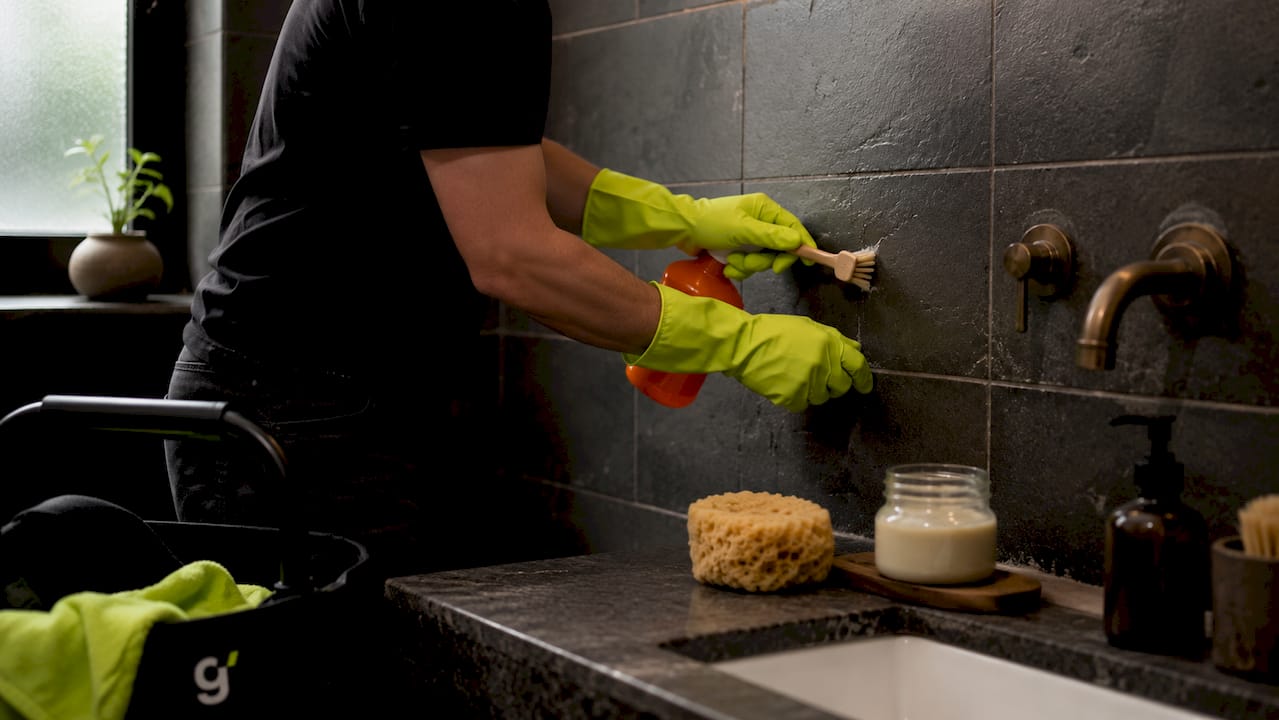
How does deep cleaning affect tenant experience and property value?
A tenant forms their opinion of a rental within the first 30 minutes of entry. That opinion shapes how they treat the property for the entire lease term. A spotless rental creates a silent contract that encourages tenants to treat the property with care. A dirty one signals that the landlord does not care, and tenants respond in kind.
The practical benefits extend well beyond first impressions. Tenants in professionally cleaned units submit fewer maintenance requests during the first 90 days. Fewer requests mean lower costs, less time spent coordinating tradespeople, and a more stable tenancy from the outset. That outcome is directly tied to the quality of the turnover clean.
"A neat home stays in better condition, reducing long-term maintenance costs." — The Benefits of Professional Cleaning Between Tenant Turnovers
Cleanliness also affects lease renewals. Tenants who move into a well-prepared property are more likely to renew because they associate the experience with a landlord who maintains standards. The cleaning's role in tenant retention is direct and measurable. Every vacancy costs money. A tenant who stays for a second or third term is worth far more than the cost of a professional clean.
Professionally cleaned properties also attract higher quality tenants and spend less time on the market. A fresh, well-maintained rental stands out in listings and during inspections. That reduces vacancy periods and gives you more choice over who you accept.
What role does deep cleaning play in protecting deposit claims?
Security deposit disputes are one of the most common legal headaches in property management. Deep cleaning, done in the right sequence, is one of the most effective tools for avoiding them.
The correct sequence is non-negotiable:
- Conduct the move-out inspection with the outgoing tenant present where possible
- Photograph every room, surface, appliance, and fitting in its post-vacate condition
- Complete a signed condition report or inspection checklist
- Begin cleaning only after documentation is finalised
- Photograph again after cleaning to establish the baseline for the incoming tenant
Cleaning before conducting the move-out inspection weakens your position in any deposit dispute. Once the property is clean, you lose the evidence of what the outgoing tenant left behind. A signed checklist with photographs supports the claim process and satisfies notice timing requirements under residential tenancy legislation.
The table below compares the documentation approach with and without a pre-clean inspection:
| Scenario | Evidence available | Deposit claim strength |
|---|---|---|
| Inspection before cleaning | Photos, signed checklist, condition report | Strong, legally defensible |
| Cleaning before inspection | No baseline record of damage or soiling | Weak, easily disputed |
| No inspection at all | No documentation | Very weak, likely to fail |
A signed checklist with photos also helps distinguish fair wear and tear from actual tenant damage. This distinction matters because landlords cannot claim for normal deterioration. A thorough clean followed by a documented inspection makes that line clear and defensible.
Pro Tip: Use a standardised condition report template for every tenancy. Consistency across properties makes disputes easier to resolve and demonstrates professional property management practice.
What are the best practices for turnover deep cleaning?
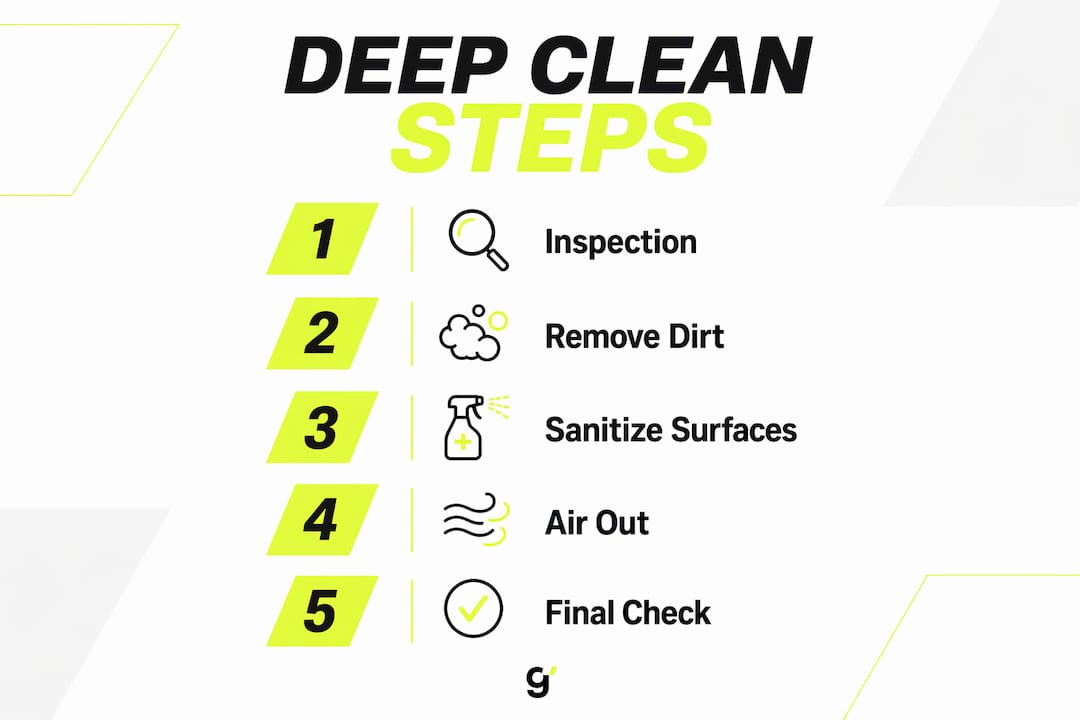
Effective post-tenant deep clean steps follow a clear sequence and prioritise the areas that matter most to incoming tenants.
Sequence and scheduling
Inspect first, then clean. Scheduling the turnover clean quickly after move-out reduces vacancy time, but speed should never compromise documentation. Book the inspection for the day of or day after vacate. Schedule cleaning immediately after.
Areas most landlords underestimate
The areas that generate the most complaints are often the ones given the least attention during a quick clean. Kitchens and bathrooms have the highest impact on tenant satisfaction and should receive the most time. Beyond those, the following areas are frequently missed:
- Garage floors and walls, including oil stains and cobwebs
- Laundry tubs and behind washing machine connections
- Utility rooms and hot water system surrounds
- Inside wardrobes, including shelving and tracks
- Ceiling fans, exhaust fans, and rangehood filters
- Hidden dirty spots such as door frames, light switches, and skirting boards
DIY versus professional cleaning
The decision to clean yourself or hire a professional comes down to time, quality, and risk. Landlords who DIY turnover cleaning consistently underestimate the time involved and potentially lose significant money in opportunity cost. A 3–6 hour clean done poorly still generates complaints and maintenance tickets. A professional clean done thoroughly prevents them.
| Factor | DIY cleaning | Professional cleaning |
|---|---|---|
| Time per unit | 3–6+ hours of your own time | Completed without your involvement |
| Quality consistency | Variable, depends on your availability | Consistent, accountable standard |
| Equipment and products | Standard household tools | Commercial-grade, specialist products |
| Documentation support | Self-managed | Often includes condition reporting |
| Risk of missed areas | High | Low with a reputable provider |
Post-tenancy grime buildup accumulates in ways that are not visible during a casual walkthrough. Professional cleaners trained in turnover work know where to look and what to treat. The cost of a professional clean is almost always less than the cost of one maintenance call generated by a missed problem.
Pro Tip: Kitchen and bathroom areas deliver the highest return on cleaning effort. If time or budget is tight, prioritise these two areas above all others. A tenant who opens a clean oven and steps into a spotless bathroom starts the tenancy with confidence in the property.
Key takeaways
Deep cleaning between tenants is the most cost-effective step a landlord can take to reduce maintenance costs, protect deposit claims, and retain quality tenants.
| Point | Details |
|---|---|
| Scope versus maintenance | Turnover cleans take 3–6+ hours and cover tasks a standard clean never reaches. |
| Inspection before cleaning | Document condition with photos before cleaning to preserve deposit claim evidence. |
| Tenant satisfaction | Professionally cleaned properties generate fewer maintenance requests in the first 90 days. |
| Property value | Regular deep cleaning reduces long-term repair costs and attracts higher quality tenants. |
| Professional versus DIY | DIY cleaning underestimates time costs and risks missed areas that generate complaints. |
The mistake I see landlords make every single time
After years of working with property managers across Australia, the pattern is consistent. Landlords rush the turnover. They want the property back on the market as fast as possible, so they either clean it themselves in a couple of hours or book the cheapest option available. Then they wonder why the new tenant submits three maintenance requests in the first month.
The real cost of a poor turnover clean is not the clean itself. It is the downstream damage: the maintenance tickets, the tenant who does not renew, the vacancy that follows, and the deposit dispute you cannot win because you cleaned before you inspected. I have seen landlords lose more in a single dispute than they would have spent on professional cleaning for an entire year.
The other mistake is treating deep cleaning as an aesthetic exercise. It is not. Deep cleaning is a risk-reduction step that prevents maintenance issues from surfacing early in a tenancy. When you clean the oven, descale the shower, and treat the grout, you are not just making the property look good. You are removing the conditions that generate complaints.
My recommendation is straightforward. Inspect first, document everything, then clean to a professional standard. If you cannot commit the time to do it properly, hire someone who can. The cost is predictable. The cost of not doing it is not.
— Lead
Grimescene's turnover cleaning for property managers
Grimescene specialises in post-tenant deep cleaning for residential and commercial properties across Australia. The Scene Reset protocol is built specifically for rental turnovers, using non-toxic agents that neutralise buildup rather than masking it.

Property managers working with Grimescene report faster turnovers, fewer early maintenance requests, and cleaner condition reports at the end of each tenancy. The service covers all high-impact areas including kitchens, bathrooms, appliances, and secondary spaces that standard cleans miss. For short-term rental operators, Grimescene's short-term rental cleaning service is designed to meet the fast-paced demands of frequent turnovers. To book a rapid response team for your next vacancy, visit the appointments page and schedule directly.
FAQ
What is a turnover deep clean?
A turnover deep clean is a thorough post-tenancy clean covering appliance interiors, grout, secondary spaces, and all areas a standard maintenance clean skips. It typically takes 3–6 or more hours per unit.
Should you deep clean between every tenancy?
Yes. Every tenancy change warrants a full deep clean to remove accumulated grime, address allergens, and prepare the property to a standard that protects both the landlord's asset and the incoming tenant's experience.
When should the inspection happen relative to cleaning?
The move-out inspection and photo documentation must be completed before any cleaning begins. Cleaning first removes the evidence needed to support security deposit claims.
Does professional cleaning reduce maintenance requests?
Tenants in professionally cleaned properties submit fewer maintenance requests during the first 90 days of a tenancy. Thorough cleaning removes the hidden problems that generate early complaints.
How does deep cleaning protect a landlord's deposit claim?
A documented inspection with photographs taken before cleaning establishes a clear baseline of post-vacate condition. That record supports deposit claims and helps distinguish tenant damage from fair wear and tear.