
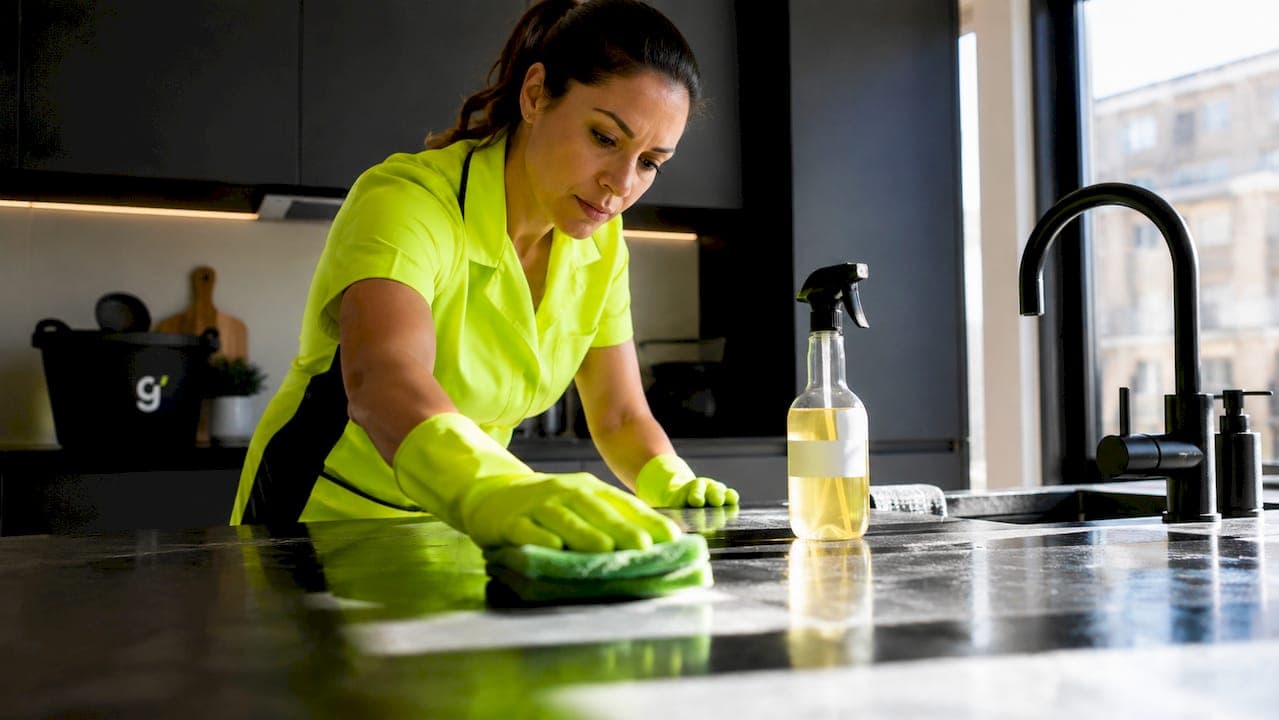
Deep cleaning is defined as a thorough, systematic cleaning process that goes well beyond routine maintenance to remove built-up grime, bacteria, and deterioration from every surface in a rental property. The role of deep cleaning in lease renewals is direct: properties that meet a documented cleanliness standard retain tenants at higher rates, generate fewer deposit disputes, and signal professional property management. Tenant satisfaction research consistently ranks cleanliness among the top factors driving renewal decisions. For property managers and landlords, scheduled deep cleaning is not a cosmetic exercise. It is a measurable investment in tenancy continuity and asset protection.
How does deep cleaning affect lease renewal rates?
Cleanliness and tenant retention are directly linked. Tenant retention is fundamentally a real estate investment decision, and the condition of a property at renewal time shapes whether a tenant feels valued or neglected. A property that presents well at inspection communicates that the landlord takes maintenance seriously. That perception matters far more than most landlords realise.
The deep cleaning benefits for tenants extend beyond aesthetics. Clean carpets, sanitised bathrooms, and grease-free kitchens reduce allergens, prevent mould growth, and create a healthier living environment. Tenants who feel comfortable and safe in their home are significantly more likely to renew. Proactive carpet cleaning before lease renewal can extend carpet life by up to 50%, which signals active property investment to tenants while reducing long-term replacement costs for landlords.

The impact of cleanliness on leases also shows up in the numbers. Properties that receive professional pre-renewal cleaning report fewer tenant complaints during the renewal period. Fewer complaints mean smoother negotiations and less time spent managing dissatisfied tenants. This is the practical return on a cleaning investment that many landlords overlook.
Pro Tip: Document the property's condition with dated photographs immediately after each professional deep clean. This creates a visual maintenance record that supports your position during any future inspection or deposit discussion.
Key areas where cleanliness directly influences tenant decisions include:
- Carpet and flooring condition: Stained or worn flooring is one of the first things tenants notice and one of the most common reasons they consider moving.
- Kitchen hygiene: Grease buildup on rangehoods, ovens, and splashbacks signals neglect and raises health concerns.
- Bathroom cleanliness: Mould, limescale, and soap scum in bathrooms are immediate red flags for tenants assessing whether to stay.
- Air quality and odour: Lingering odours from previous tenants or pets are a significant deterrent to renewal.
When should you schedule deep cleaning before a lease renewal?
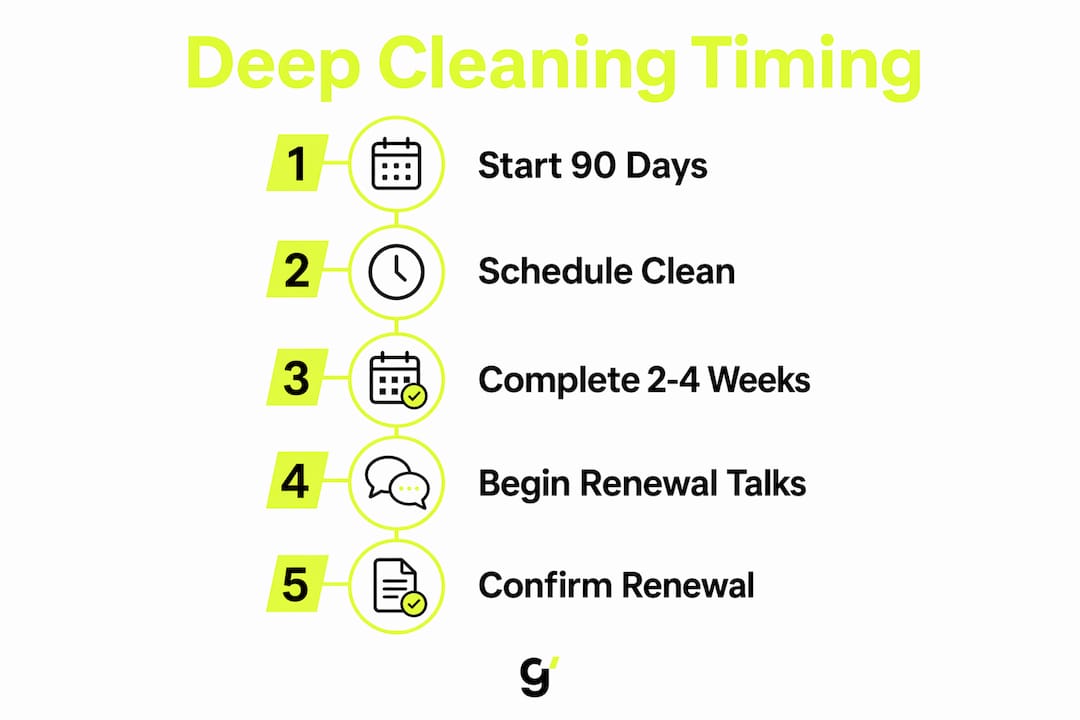
Timing is where most landlords get it wrong. Lease renewals should begin at least 90 days before the lease end date, with deep cleaning scheduled 2–4 weeks before renewal discussions begin. This window gives the property time to present at its best during the negotiation phase, not after the tenant has already decided to leave.
The distinction between proactive and reactive cleaning is critical. Reactive cleaning signals disorganisation to tenants and undermines trust. A landlord who only cleans after a complaint has already damaged the relationship. Scheduled, calendar-based cleaning creates documented maintenance records that protect landlords during inspections and deposit audits.
A practical pre-renewal cleaning timeline looks like this:
- 90 days before lease end: Begin renewal conversations and assess the property's current condition.
- 60 days before lease end: Book a professional deep clean and identify any maintenance issues that need attention alongside the clean.
- 30–45 days before lease end: Complete the deep clean and document the property's condition with photographs and a written report.
- 2–4 weeks before renewal discussions: Present the freshly cleaned property to the tenant, either through a formal inspection or a walkthrough.
- At renewal signing: Provide the tenant with a copy of the cleaning record as part of the lease renewal checklist.
The table below shows the difference between proactive and reactive cleaning approaches across key property management outcomes.
| Outcome | Proactive scheduled cleaning | Reactive cleaning only |
|---|---|---|
| Tenant trust | High. Signals professionalism and care. | Low. Signals disorganisation. |
| Deposit dispute risk | Reduced. Documented condition records exist. | Elevated. No baseline evidence available. |
| Carpet and surface lifespan | Extended through regular maintenance. | Shortened by accumulated grime. |
| Renewal negotiation position | Stronger. Property presents well. | Weaker. Tenant may already be disengaged. |
Pro Tip: Add deep cleaning to your seasonal rental cleaning schedule so it becomes a fixed cost you plan for, rather than an emergency expense you react to.
Which areas matter most for lease renewal inspections?
Not all cleaning tasks carry equal weight during a lease renewal inspection. Thorough professional cleaning addresses hidden dirt and buildup that standard cleaning misses, which directly improves inspection pass rates and tenant satisfaction. Standard cleaning maintains surface appearance. Deep cleaning restores the property to a condition that holds up under scrutiny.
The areas that have the greatest impact on tenant impressions and formal inspection outcomes are:
- Ovens and rangehoods: Grease and carbon buildup in ovens is one of the most cited issues in rental inspections. A professionally cleaned oven demonstrates care for the property's appliances.
- Bathroom grout and tiles: Mould in grout lines is both a health concern and a visual signal of neglect. High-pressure grout cleaning removes buildup that surface sprays cannot reach.
- Carpets and rugs: Floor condition ranks among the top factors in tenant renewal decisions. Steam cleaning removes embedded dirt, allergens, and odours that vacuuming leaves behind.
- Windows and tracks: Dirty windows affect natural light and perceived property condition. Window tracks accumulate grime that is rarely addressed in routine cleaning.
- Drains and sinks: Blocked or slow drains signal maintenance neglect. Clearing and sanitising drains is a low-cost task with a high impact on tenant perception.
- Walls and skirting boards: Scuff marks, grease splatter, and dust accumulation on walls and skirting boards are visible indicators of how thoroughly a property is maintained.
Tenant obligations for cleanliness are typically outlined in the lease agreement, but landlords who maintain a high cleaning standard set a clear benchmark. When the property is professionally cleaned before a tenant moves in, the expectation for its condition at move-out is unambiguous. This clarity protects both parties and reduces the likelihood of end-of-lease conflict. For a detailed breakdown of high-traffic area cleaning tactics, the approach differs significantly from standard residential cleaning.
How does professional deep cleaning prevent lease disputes?
Cleaning-related deductions are among the most common reasons landlords withhold security deposits. Move-out deep cleaning significantly reduces disputes and deductions by establishing a documented, objective condition standard that both parties can reference. Without that standard, disputes become subjective arguments about what "clean" means.
Professional deep cleaning sets an objective benchmark for property condition. When a landlord provides a professional cleaning receipt and condition report at the start of a tenancy, the end-of-lease standard is clear. Tenants know what is expected. Landlords have evidence to support any deductions they need to make. This documentation is particularly valuable in tenancy tribunal proceedings, where a cleaning invoice and dated photographs carry significant weight.
"Scheduled deep cleaning creates documented maintenance records that protect landlords during deposit audits and lease disputes, while simultaneously building the tenant trust that drives renewals."
The financial case for deep cleaning for property management is straightforward. A single deposit dispute can cost more in time, legal fees, and stress than several years of professional cleaning. Proactive maintenance planning that includes deep cleaning prevents grime buildup, supports smooth tenant turnovers, and reduces the risk of costly remediation work between tenancies.
Pro Tip: Keep a dedicated maintenance folder for each property that includes cleaning invoices, condition reports, and inspection photographs. This folder becomes your evidence file if a dispute reaches a tenancy tribunal.
Understanding why deep cleaning between tenants matters goes beyond aesthetics. It is a legal and financial safeguard that most landlords underutilise.
Key takeaways
Deep cleaning is the most cost-effective tool property managers have for securing lease renewals, reducing disputes, and protecting long-term property value.
| Point | Details |
|---|---|
| Timing drives outcomes | Schedule deep cleaning 2–4 weeks before renewal discussions, with the process starting 90 days before lease end. |
| Proactive beats reactive | Scheduled cleaning builds tenant trust and creates documented maintenance records; reactive cleaning undermines both. |
| High-impact areas | Carpets, ovens, bathrooms, and drains carry the most weight in tenant impressions and formal inspections. |
| Dispute prevention | Professional cleaning receipts and condition reports are the strongest defence against deposit deductions and tenancy tribunal claims. |
| Retention is an investment | Cleanliness ranks among the top drivers of tenant renewal decisions, making deep cleaning a direct retention strategy. |
What I've learned from watching landlords get this wrong
Most landlords treat deep cleaning as a cost to minimise rather than a tool to use. I've seen property managers spend thousands managing deposit disputes that a $400 professional clean would have prevented entirely. The maths is not complicated, but the mindset shift is harder than it looks.
The landlords who get the best renewal rates are not necessarily the ones with the nicest properties. They are the ones whose tenants feel respected. A professionally cleaned property communicates respect. It says: I maintain this asset, and I value you as a tenant. That message lands before a single word of the renewal conversation is spoken.
The other mistake I see constantly is treating the pre-renewal clean as a one-off event rather than part of a maintenance calendar. Properties that receive regular deep cleaning between standard cleans accumulate far less grime, cost less to restore at turnover, and generate fewer complaints during the tenancy. The compounding benefit of consistent maintenance is real, and it shows up in tenant behaviour.
My advice is simple. Build deep cleaning into your property management calendar the same way you build in insurance renewals and rate reviews. It is not optional maintenance. It is the foundation of a professional tenancy relationship.
— Lead
Grimescene's deep cleaning services for lease renewals
Property managers working to tight renewal timelines need a cleaning partner who can deliver on schedule without compromising on standard.

Grimescene's Scene Reset protocol is built specifically for rental properties, using advanced non-toxic agents that neutralise grime buildup rather than masking it. The service covers every high-impact area that affects lease inspections and tenant impressions, from oven degreasing and carpet treatment to bathroom sanitisation and drain clearing. Grimescene works with both residential and commercial property managers, with scheduling designed to fit the 2–4 week pre-renewal window. Book a rapid response clean before your next renewal negotiation, or explore the short-term rental service for properties with frequent turnovers.
FAQ
What is the role of deep cleaning in lease renewals?
Deep cleaning establishes an objective property condition standard that supports tenant satisfaction, reduces deposit disputes, and signals professional property management. Properties that receive scheduled deep cleaning before renewal discussions present stronger and retain tenants at higher rates.
How often should landlords deep clean a rental property?
Deep cleaning should be scheduled at least once per year, with an additional clean timed 2–4 weeks before lease renewal discussions begin. High-traffic or short-term rental properties may require more frequent deep cleaning cycles.
What areas should be prioritised in a pre-renewal deep clean?
Ovens, carpets, bathrooms, drains, windows, and skirting boards carry the most weight in tenant impressions and formal inspections. These are the areas most likely to show visible deterioration and most likely to influence a tenant's renewal decision.
Can deep cleaning reduce deposit disputes?
Cleaning-related deductions are among the most common reasons for withholding security deposits. A professional clean with a dated invoice and condition report creates an objective baseline that significantly reduces the likelihood of end-of-lease disputes.
What is the difference between standard cleaning and deep cleaning for lease readiness?
Standard cleaning maintains surface appearance between tenancies. Deep cleaning removes embedded grime, mould, grease, and allergen buildup from surfaces that routine cleaning does not reach, meeting the higher standard required for formal lease inspections and renewal negotiations.