
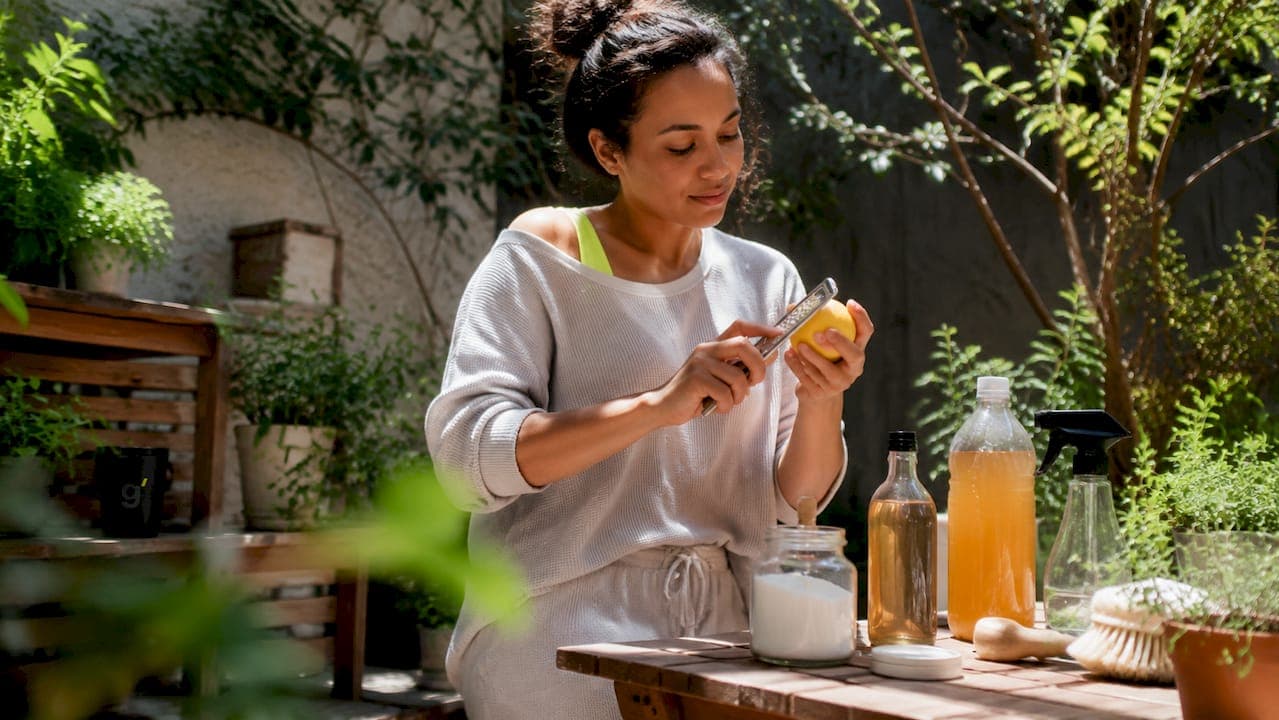
A green cleaning routine for busy parents is a time-efficient system that uses a minimal set of natural, low-toxicity products and realistic scheduling to maintain a safe, healthy home without sacrificing family time. The standard industry term for this approach is "low-tox cleaning," and it combines proven natural ingredients like distilled white vinegar, baking soda, and castile soap with smart daily habits that fit around school runs, work, and everything in between. Conventional cleaning products contribute to respiratory problems through VOC emissions indoors, which means switching to greener methods is both a health decision and a practical one. The goal is not a spotless home at all costs. It is a consistently clean, genuinely safe environment built on habits your whole family can maintain.
1. What makes a green cleaning routine work for busy parents
The foundation of any effective eco-friendly cleaning routine is a short, repeatable product list. Four core natural ingredients cover most household cleaning needs: distilled white vinegar, baking soda, castile soap, and either rubbing alcohol or hydrogen peroxide. Each one handles multiple surfaces, costs very little, and poses no chemical risk to children or pets. Replacing a cupboard full of single-purpose sprays with these four ingredients also cuts plastic waste significantly.
The tools matter just as much as the products. Microfiber cloths outperform disposable paper towels on most surfaces and can be washed and reused hundreds of times. Wooden-handled brushes and amber glass spray bottles protected by silicone boots are the standard choice for storing essential oil-based cleaners. Dark glass blocks UV light that degrades active ingredients, and silicone sleeves prevent breakage on hard benchtops. These are not luxury items. They are practical tools that make your supplies last longer and your routine more consistent.
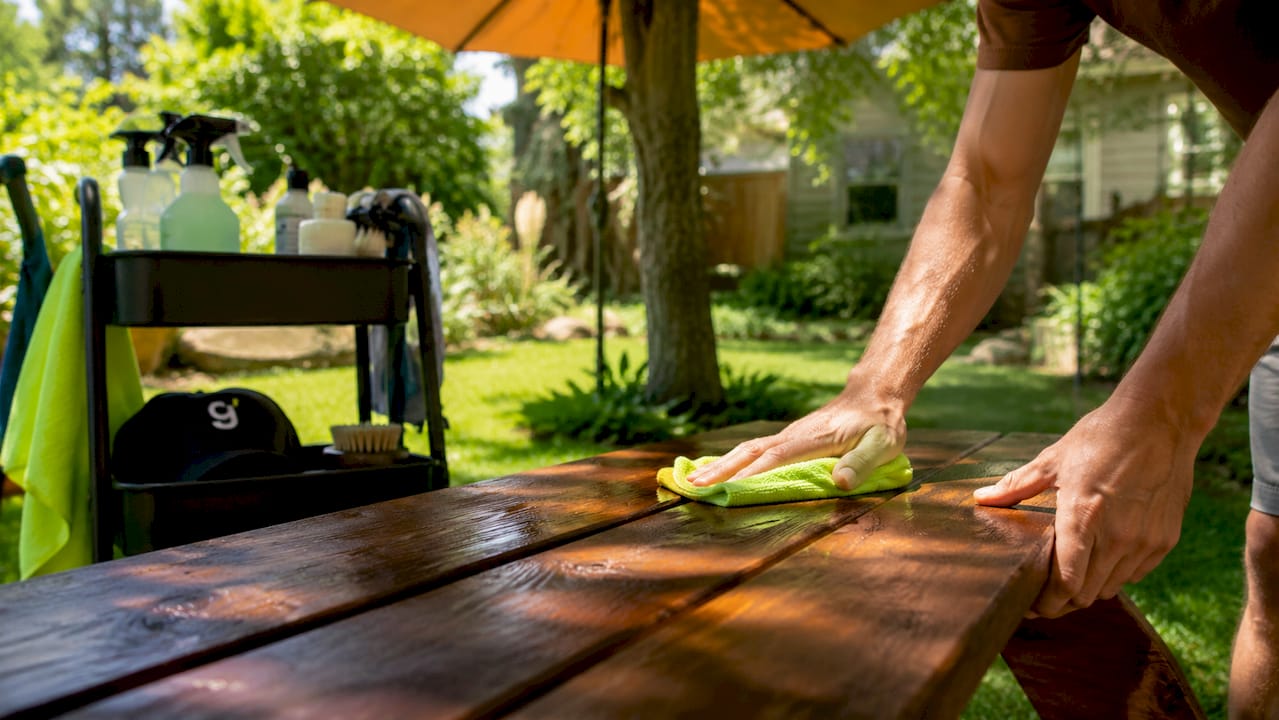
Pro Tip: Label each spray bottle with the dilution ratio used. This removes guesswork during rushed cleaning sessions and prevents product waste.
For parents learning about natural cleaning agents for the first time, starting with just vinegar and castile soap covers kitchens, bathrooms, and general surfaces. Add baking soda for scrubbing and hydrogen peroxide for disinfecting, and you have a complete kit.
2. How to build a realistic weekly cleaning schedule for families
Limiting cleaning to 30 to 60-minute daily sessions rather than marathon weekend cleans is the single most effective change busy families can make. The average household spends around six hours per week cleaning. Spreading that time across daily bursts prevents the exhaustion that causes routines to collapse entirely.
A practical structure looks like this:
- Monday: Kitchen and dining area. Wipe benchtops, clean the stovetop, mop the floor. Thirty minutes maximum.
- Tuesday: Bathrooms. Scrub the toilet, sink, and shower with a baking soda paste and vinegar spray. Twenty to thirty minutes.
- Wednesday: Living areas. Vacuum, dust surfaces, and wipe down high-touch points like light switches and door handles.
- Thursday: Bedrooms. Change sheets, vacuum floors, tidy wardrobes. Rotate between rooms if time is short.
- Friday: Laundry and floors. Run a load of washing with a plant-based detergent and do a full floor sweep or mop.
- Saturday: Outdoor areas and bins. Sweep the porch, take out recycling, wipe down outdoor furniture.
- Sunday: Rest or catch-up. Use this day only if something was missed during the week.
Pair this with daily 5-minute resets each evening. A quick wipe of the kitchen bench, shoes at the door, and dishes cleared keeps the home from deteriorating between focused sessions. This two-tier approach, daily resets plus one focused zone per day, is what makes a sustainable cleaning routine actually stick.
Pro Tip: Set a visible timer when cleaning. Knowing the session ends in 30 minutes makes starting far easier, especially on low-energy days.
3. Quick green cleaning hacks that save real time
The most time-efficient approach to environmentally safe cleaning is cleaning as you go rather than letting mess accumulate. Wiping the stovetop after each meal takes 90 seconds. Leaving it for three days turns it into a 15-minute scrub job. The same logic applies to bathroom sinks, toilet seats, and kitchen benchtops.
Key hacks that work in practice:
- Use multi-purpose sprays. A 50/50 mix of white vinegar and water with a few drops of tea tree oil handles kitchens, bathrooms, and glass. One bottle replaces four.
- Apply enzymatic cleaners for tough stains. Natural enzymatic cleaners break down organic matter like food, urine, and pet messes without harsh chemicals. They work on carpet, upholstery, and grout where vinegar alone falls short.
- Declutter before you clean. Surfaces with fewer objects take a fraction of the time to wipe down. A weekly five-minute declutter of benchtops and tables pays dividends every single day.
- Create a nightly reset routine. Ten to fifteen minutes before bed: dishes away, surfaces wiped, floor cleared. This prevents the slow creep of disorder that makes weekend cleaning feel overwhelming.
- Use correct dilution ratios. A marked measuring cup prevents overuse of concentrates, which wastes product and money. Most castile soap solutions need only a teaspoon per 500ml of water.
These quick green cleaning hacks are not about cutting corners. They are about removing the friction that causes people to abandon their routines when life gets busy.
4. Green cleaning products compared: what suits busy parents best
Choosing between commercial green-labelled products and homemade natural solutions involves trade-offs in cost, convenience, and genuine environmental impact.
| Factor | Commercial green products | Homemade natural solutions |
|---|---|---|
| Cost | Higher upfront; refill pouches reduce ongoing cost | Very low; vinegar and baking soda cost cents per use |
| Convenience | Ready to use; no mixing required | Requires preparation; simple once routine is set |
| Effectiveness | Consistent; formulated for specific surfaces | Highly effective for general cleaning; enzymatic cleaners needed for tough stains |
| Environmental impact | Varies; packaging waste is a real concern | Minimal waste; glass bottles and bulk ingredients reduce plastic significantly |
| Safety verification | Look for EPA Safer Choice or Design for the Environment certification | Ingredients are transparent; no certification needed |
The greenwashing problem is real. Many products labelled "natural" or "eco-friendly" carry no verified certification. The EPA's Safer Choice programme and Design for the Environment label are the two most reliable indicators that a product meets genuine safety and environmental standards. Verified eco-labels protect your family from products that sound green but are not.
For most busy parents, a hybrid approach works best. Use homemade vinegar and castile soap solutions for daily cleaning, and keep one or two certified commercial products on hand for jobs that need more power, like mould or heavy grease. Understanding the role of eco cleaners in your broader home maintenance plan helps you spend money only where it counts.
5. How to involve children in a green cleaning routine safely
Involving children in the cleaning routine reduces the load on parents and builds habits that last into adulthood. The key is matching tasks to age and keeping all products genuinely non-toxic.
Age-appropriate task guidelines:
- Ages 3 to 5: Wiping low surfaces with a damp microfiber cloth, putting toys in a basket, carrying light items to the bin.
- Ages 6 to 9: Vacuuming with supervision, wiping bathroom sinks, sorting laundry, sweeping floors.
- Ages 10 to 12: Cleaning toilets with a baking soda and vinegar solution, mopping, loading the dishwasher, preparing simple spray solutions.
- Teenagers: Full room cleaning, laundry from start to finish, outdoor sweeping, and managing their own weekly zone.
Make the process engaging rather than punitive. A visible chore chart with checkboxes gives children a sense of ownership. Timers turn cleaning into a game. Small rewards, like choosing the Friday night film, reinforce the habit without creating dependency on external motivation.
Storage and supervision matter when children are involved. Keep all spray bottles, even natural ones, out of reach of children under five. Label everything clearly. A clean home between deep cleans is far easier to maintain when children are active participants rather than passive observers. Adaptable routines tailored to family rhythms consistently outperform rigid schedules, especially when children's school and activity commitments shift across the year.
Key takeaways
A green cleaning routine for busy parents works because it combines a minimal product list, realistic daily scheduling, and whole-family involvement to maintain a safe home without chemical exposure or time pressure.
| Point | Details |
|---|---|
| Four ingredients cover most needs | Vinegar, baking soda, castile soap, and hydrogen peroxide replace most commercial cleaners safely. |
| Daily resets prevent overwhelm | Five-minute evening resets plus one 30-minute zone per day keeps the home consistently clean. |
| Verify eco-labels before buying | Look for EPA Safer Choice or Design for the Environment certification to avoid greenwashing. |
| Dilution ratios reduce waste | Use a marked measuring cup to avoid overusing concentrates and wasting product or money. |
| Children reduce the parental load | Age-appropriate chores with non-toxic products build habits and share the cleaning burden fairly. |
Why progress beats perfection in green cleaning
I have worked with enough families to know that the biggest obstacle to a green cleaning routine is not finding the right products. It is the expectation that the routine must be perfect to be worth doing. Parents abandon their systems the moment one week goes sideways, and then feel guilty about it for a month before trying again.
The honest truth is that a routine done at 70% consistency beats a perfect plan executed twice. When I see families succeed with low-tox cleaning long-term, it is almost always because they built in flexibility from the start. They adjusted the schedule when school holidays hit. They skipped a zone when someone was sick. They did not treat a missed Thursday bathroom clean as a failure.
What I have also found is that the product transition is easier than most parents expect. The shift from a cupboard full of chemical sprays to four natural ingredients feels radical in theory. In practice, most families do not notice a difference in cleaning results within the first two weeks. What they do notice is that the house smells different. Not like pine or lemon chemicals, but genuinely neutral. Children with sensitive skin or respiratory issues often show improvement within weeks of switching to low-VOC products.
The one area where I see parents consistently underinvest is in the tools. Cheap microfiber cloths shed fibres and stop working within a month. Quality cloths from brands like Norwex or E-Cloth last years and clean more effectively with less product. The same applies to spray bottles. Amber glass with silicone protection is not an aesthetic choice. It is a functional one that protects your ingredients and prevents the frustration of cracked plastic bottles leaking under the sink.
Start with one change this week. Replace your all-purpose spray with a vinegar and castile soap mix. See how it performs. Build from there.
— Lead
Let Grimescene handle the deep work

Even the most consistent green cleaning routine for busy parents has limits. Daily resets and weekly zones keep a home liveable, but periodic deep cleaning tackles the buildup that routine maintenance misses: grout, behind appliances, ceiling fans, and the hidden dirty spots that accumulate quietly over months. Grimescene uses advanced non-toxic agents that neutralise buildup rather than masking it, making their approach genuinely compatible with the low-tox values you are building at home. Scheduling a professional deep clean two to four times per year takes the pressure off your weekly routine and keeps the home at a standard that daily habits alone cannot reach. Book a Grimescene service and let the professionals handle what your routine cannot.
FAQ
What are the best natural ingredients for green cleaning at home?
Distilled white vinegar, baking soda, castile soap, and hydrogen peroxide cover most household cleaning tasks effectively. These four ingredients are safe for children and pets, reduce plastic waste, and cost significantly less than commercial multi-product kits.
How long should a weekly green cleaning routine take?
A realistic weekly schedule uses daily 30-minute focused sessions plus five-minute evening resets to maintain a clean home without large time blocks. This approach totals roughly four to five hours per week spread across daily habits.
How do I know if a green cleaning product is genuinely eco-friendly?
Look for the EPA Safer Choice label or Design for the Environment certification on the packaging. Products without verified certification may use vague marketing language that does not reflect actual safety or environmental standards.
At what age can children start helping with green cleaning?
Children as young as three can wipe low surfaces with a damp microfiber cloth and sort simple items. By age ten, most children can handle bathroom cleaning using baking soda and vinegar solutions safely with minimal supervision.
Is homemade green cleaning as effective as commercial products?
For general daily cleaning, homemade vinegar and castile soap solutions perform comparably to most commercial sprays. For tough stains, mould, or heavy grease, natural enzymatic cleaners or certified commercial products deliver more reliable results.