
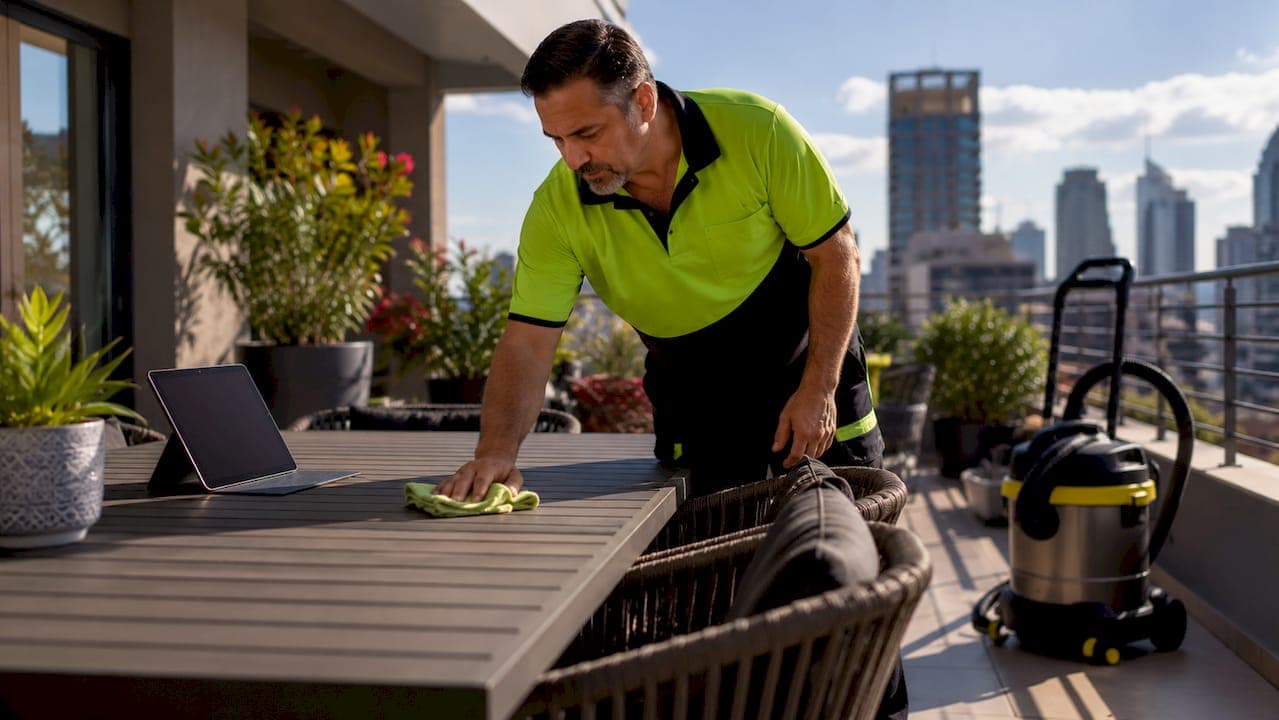
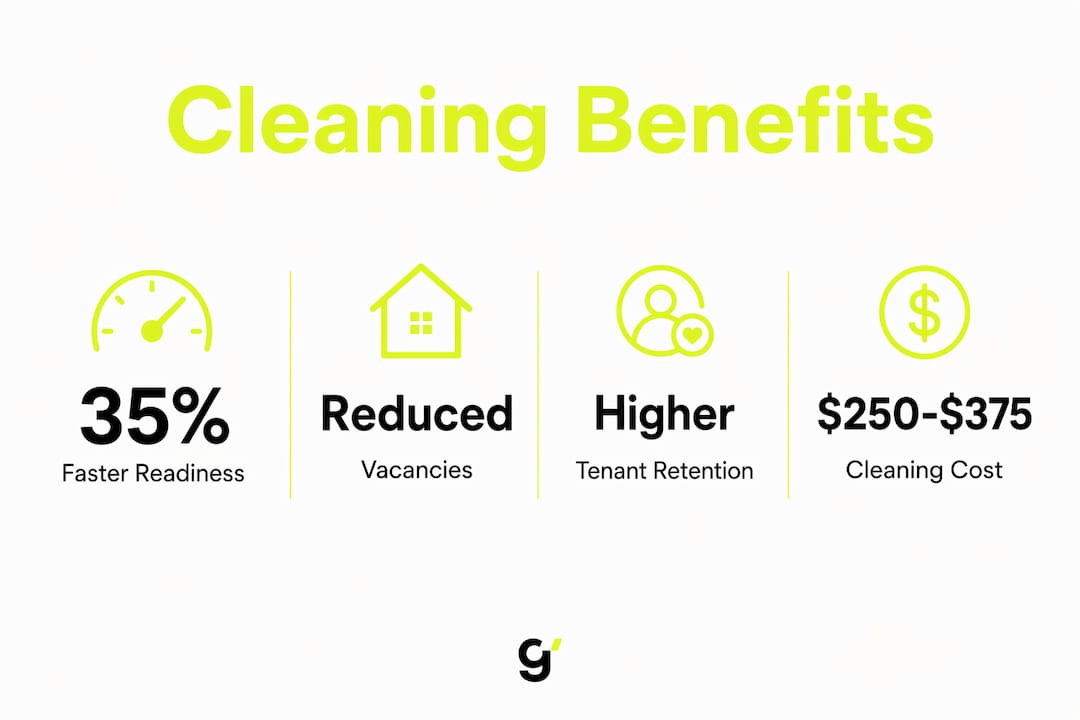
Professional cleaning is the most direct way property owners and short-term rental hosts can increase occupancy rates. Property readiness improves by 35% when a professional service handles turnover, compared to DIY efforts. That gap translates directly into fewer vacant days and faster re-letting. Tenants and guests form opinions within minutes of arrival, and a spotless property signals care, reliability, and value. Understanding how professional cleaning boosts occupancy means understanding the full chain from first impression through to tenant retention, and the financial logic that makes it worth every dollar.
How does professional cleaning boost occupancy?
Cleanliness is the single most visible signal of property quality. Tenants form opinions within minutes of stepping inside, and those first impressions directly influence whether they sign a lease or book again. A professionally cleaned property does not just look better. It communicates that the owner takes the property seriously, which attracts reliable, long-term renters.
Turnover cleaning, the industry term for the deep reset between occupancies, goes well beyond a standard wipe-down. It covers appliance interiors, grout lines, window tracks, and secondary spaces that DIY cleaning routinely misses. The result is a staging-ready unit with a defensible condition record. That record matters when a new tenant moves in, because it sets a documented baseline for the property's condition.
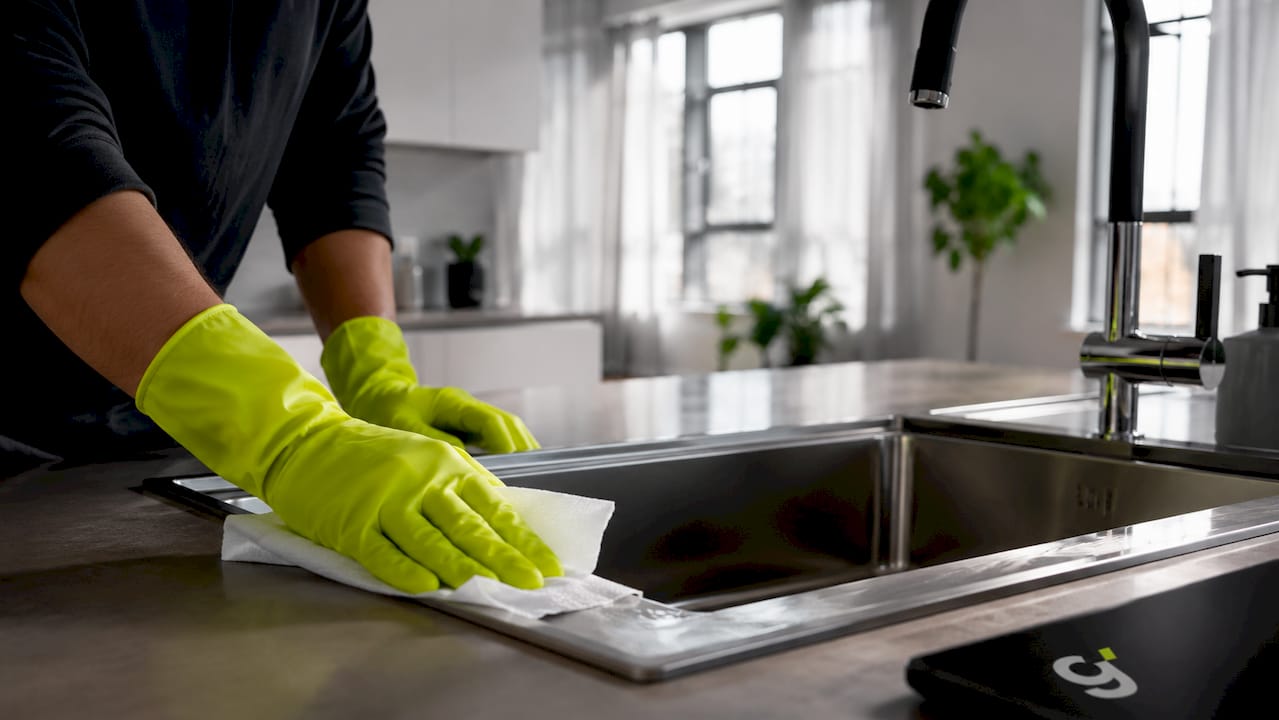
The cleaning services impact on rentals is measurable. Owners who use professional turnover cleaning reduce personal prep time by 70% compared to doing it themselves. That time saving alone justifies the cost for most hosts managing more than one property.
What impact does cleanliness have on first impressions?
First impressions in property are not formed over days. They form fast, and cleanliness is the dominant factor. A property that smells fresh, has spotless surfaces, and shows no visible grime reads as well-maintained. One that does not, regardless of its age or fittings, reads as neglected.
High-touch surfaces carry the most weight in perceived cleanliness. Door handles, light switches, bathroom fixtures, and remote controls are the first things tenants and guests touch. Overlooking these areas undermines the impression created by everything else in the property. Professional cleaners follow protocols that prioritise these surfaces specifically.
Photo documentation adds another layer of value. Timestamped photos taken post-clean create a clear record of the property's condition at the start of each tenancy. This protects owners in deposit disputes and gives incoming tenants confidence that the property was properly prepared for them.
Pro Tip: Ask your cleaning service to upload timestamped photos to a shared folder immediately after each turnover. This single habit removes most of the friction from end-of-tenancy disputes.
The difference between a standard clean and a professional turnover clean is significant. Standard cleaning maintains a property between visits. Turnover cleaning resets it entirely, covering areas that accumulate grime over months and are invisible until a new tenant looks closely.
- Appliance interiors: oven, microwave, and refrigerator seals
- Grout lines in bathrooms and kitchens
- Window tracks and sill edges
- Exhaust fans and rangehood filters
- Skirting boards and door frames
Each of these areas signals attention to detail. Missing any of them signals the opposite.
Does professional cleaning reduce vacancy and improve tenant retention?
A clean property does more than attract tenants. It keeps them. Routine professional cleaning increases renewal rates, generates referrals, and reduces vacancy by building tenant trust over time. A spotless building signals that the owner cares, and tenants reciprocate that care by maintaining the property better themselves.
The mechanism here is a self-reinforcing standard. When tenants move into a property that has been professionally cleaned to a high benchmark, they tend to maintain that standard. Consistent documented cleaning creates an expectation that tenants match, which reduces maintenance requests and complaints across the tenancy.
Practical steps to build this retention effect:
- Schedule a professional clean at the start of every tenancy, not just after problem tenancies.
- Provide tenants with a written cleaning standard at move-in, matched to the condition documented in post-clean photos.
- Offer an annual professional clean as part of the tenancy agreement. This keeps the property at a high standard and signals goodwill.
- Use a cleaning schedule that aligns with routine inspections, so the property is always presented well when the owner or agent visits.
- Communicate clearly with tenants about what the professional clean covered, so they understand the baseline they are inheriting.
Pro Tip: Including one annual professional clean in a tenancy agreement costs less than one week of vacancy. Frame it as a tenant benefit and most renters will see it as a reason to stay.
The importance of cleanliness for tenants extends beyond aesthetics. A clean environment reduces health complaints, reduces the likelihood of pest issues, and creates a living space that tenants are proud of. All of these factors contribute to longer tenancies and lower vacancy rates.
What are the financial benefits of professional cleaning for property owners?
Professional cleaning is not an expense. Presentation directly influences rental price and days on market. A property that presents well lets faster and at a stronger rate, which means the cleaning cost is recovered within the first week of occupancy in most cases.
The cost of professional turnover cleaning for a standard two-bedroom unit typically falls between $250 and $375. Larger or heavily soiled properties cost more, but the cost is offset by fewer maintenance issues and quicker re-letting. The financial case becomes clearer when you compare it to the cost of a single vacant week.
| Cost factor | DIY cleaning | Professional cleaning |
|---|---|---|
| Owner time per turnover | 6–8 hours | Under 1 hour |
| Typical cost | Low direct cost | $250–$500 per turnover |
| Maintenance issue detection | Often missed | Identified during clean |
| Deposit dispute protection | Minimal | Timestamped photo record |
| Impact on days vacant | Higher risk | Reduced vacancy period |
Early detection of maintenance issues is one of the least-discussed benefits of professional cleaning. A trained cleaner notices a leaking tap seal, a cracked grout line, or a failing exhaust fan during the clean. Catching these early prevents minor issues from becoming costly repairs. That early detection has real dollar value that does not appear in the cleaning invoice but shows up in the maintenance budget over time.
Consistent cleaning also extends the life of fixtures and surfaces. Grout that is cleaned regularly does not need replacing. Rangehood filters that are maintained do not seize. The cleaning frequency impact on property value is cumulative and measurable over a multi-year ownership period.
How can property owners implement a professional cleaning strategy?
A professional cleaning strategy starts before the cleaner arrives. The most effective approach sequences the clean with the move-out inspection and any minor repairs, so the property is in final condition before the clean begins. Cleaning a property that still has maintenance issues wastes the clean and creates a poor baseline.
Key steps for building an effective cleaning programme:
- Conduct the move-out inspection before booking the clean, and complete any repairs first.
- Use a written scope of work for every turnover clean, covering all rooms, appliances, and high-touch surfaces.
- Require photo documentation uploaded to a shared digital folder immediately after the clean.
- Cross-reference the post-clean photos against the move-in condition report at the end of each tenancy.
- Schedule the clean as close to the new tenancy start date as possible to avoid the property sitting vacant and accumulating dust.
Hiring the right service matters as much as the process. Look for a provider that offers a written service scope, carries public liability insurance, and has a clear process for re-cleans if the standard is not met. A provider that documents their work is worth more than one that simply shows up and cleans.
Pro Tip: When evaluating cleaning services, ask specifically how they handle high-touch surfaces and whether they include appliance interiors in their standard turnover scope. These two questions separate thorough providers from basic ones.
Digital tools make quality control practical at scale. Shared digital folders allow cleaners to upload status reports and photos in real time, giving property owners visibility without being on site. This approach works equally well for a single investment property and a portfolio of short-term rentals. The deep clean between tenants is the foundation of this system, and getting it right every time is what separates high-occupancy properties from average ones.
Key takeaways
Professional cleaning directly protects rental income by reducing vacancy periods, improving tenant retention, and lowering long-term maintenance costs.
| Point | Details |
|---|---|
| First impressions drive decisions | Tenants form opinions within minutes, making cleanliness the most visible signal of property quality. |
| High-touch surfaces matter most | Door handles, switches, and bathroom fixtures carry the greatest weight in perceived cleanliness. |
| Documentation protects owners | Timestamped post-clean photos create a defensible baseline for deposit disputes and move-in records. |
| Cleaning reduces vacancy | Professional turnover cleaning improves property readiness by 35% and cuts owner prep time by 70%. |
| Cost is recovered quickly | A standard turnover clean costs $250–$375 and is typically offset within the first week of occupancy. |
What I have learned from watching clean properties outperform dirty ones
The most consistent pattern I have seen across rental properties is this: the ones that get professionally cleaned between every tenancy almost never sit vacant for long. The ones that rely on tenant cleaning or a quick owner sweep take longer to re-let, attract more complaints, and generate more maintenance calls. The gap is not subtle.
What surprises most property owners is how much tenant behaviour is shaped by the condition they move into. A tenant who walks into a property that has been reset to a genuinely high standard treats it differently from day one. They are less likely to leave dishes in the sink for a week, less likely to ignore a dripping tap, and more likely to flag issues early rather than let them compound. That is not a theory. It is a pattern that shows up in maintenance records and tenancy renewal rates.
The detail that gets overlooked most often is high-touch surfaces. I have seen properties that looked clean at a glance but had grimy light switches and sticky door handles. Tenants notice these things, even when they cannot articulate why the property feels off. A professional cleaner who follows a proper protocol catches these areas every time.
The financial argument for professional cleaning is straightforward once you stop treating it as a cost and start treating it as revenue protection. One week of vacancy at typical rental rates costs more than two full turnover cleans. The maths is not complicated. What takes time is shifting the mindset from "can I save money by doing it myself" to "what does a vacant week actually cost me."
— Lead
Grimescene's cleaning services for rental property owners
Property owners who want consistent, documented turnover cleaning without the coordination headache have a direct option with Grimescene. The Scene Reset protocol is built specifically for rental properties and short-term stays, covering high-touch surfaces, appliance interiors, and all the secondary areas that standard cleaning misses.
Grimescene uses non-toxic agents that neutralise buildup rather than masking it, which matters for properties where families and pets will be living. Every clean comes with documentation that supports your tenant retention strategy and protects you in deposit disputes. For hosts who need a fast reset between bookings, the 2-hour tactical clean delivers a full turnover standard without the wait. Your occupancy rate reflects the standard you set between tenancies.
FAQ
How does professional cleaning directly increase occupancy rates?
Professional cleaning improves property readiness by 35% and creates the strong first impressions that attract quality tenants faster. Cleaner properties let more quickly and retain tenants longer, which reduces total vacancy days across a year.
What does a professional turnover clean include?
A professional turnover clean covers appliance interiors, grout, window tracks, high-touch surfaces, and all secondary spaces beyond a standard clean. It also includes timestamped photo documentation that protects owners in deposit disputes.
How much does professional turnover cleaning cost?
Professional turnover cleaning for a standard two-bedroom unit typically costs between $250 and $375. Larger or heavily soiled properties cost more, but the expense is offset by faster re-letting and fewer maintenance issues.
Does cleaning affect how long tenants stay?
Consistent professional cleaning builds tenant trust and sets a high standard that tenants tend to maintain. This reduces complaints, lowers maintenance requests, and increases the likelihood of lease renewals.
Is professional cleaning worth it for short-term rental hosts?
For short-term rental hosts, professional cleaning directly protects guest satisfaction scores and repeat bookings. A single poor cleanliness review can suppress occupancy for weeks, making the cost of a professional clean negligible by comparison.