
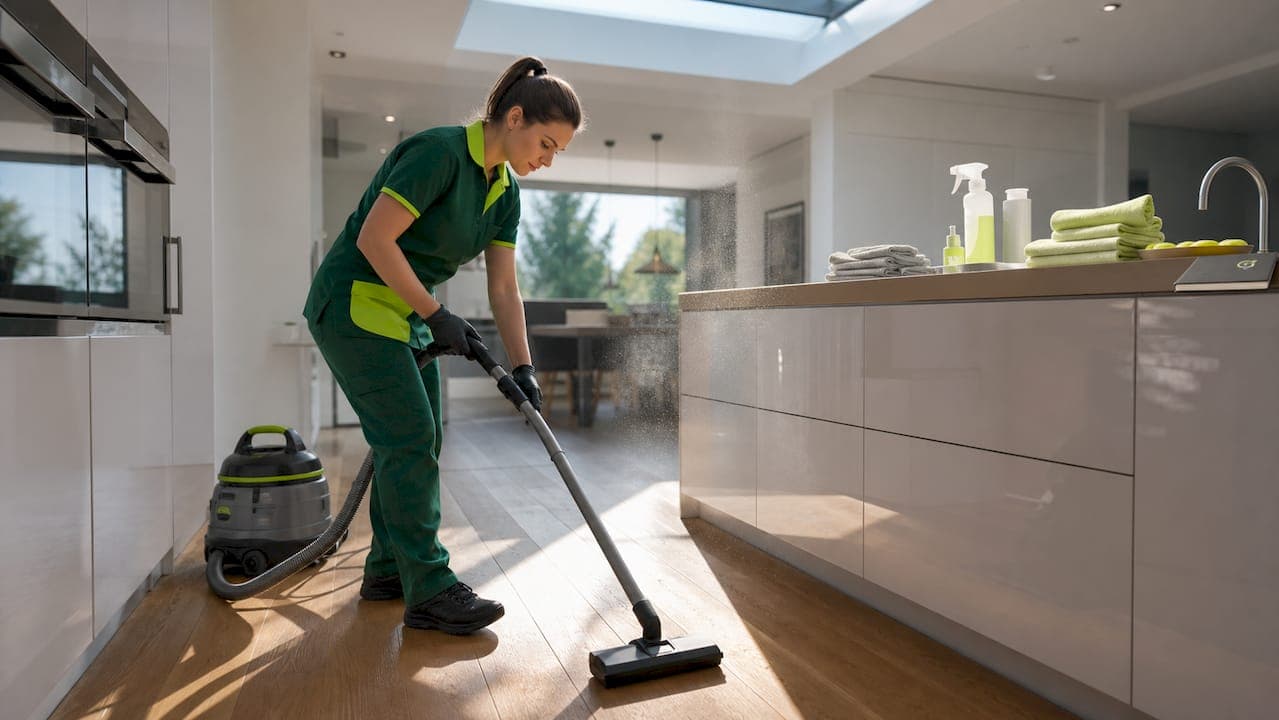
Post-renovation cleaning scope is defined as the staged, specialist cleaning process that removes construction-related debris, dust, adhesives, and residues to prepare a property for safe occupancy. The industry term for this process is "builders clean" or "post-construction clean," and it covers far more ground than a standard household tidy. Understanding what is post-renovation cleaning scope matters because construction dust, grout haze, and chemical residues pose real health risks and can permanently damage new finishes if left untreated. The process typically involves three phases: a rough clean, an intermediate clean, and a final sparkle clean. Each phase targets different residues and requires different tools, techniques, and sometimes specialist chemicals.
What are the typical phases in post-renovation cleaning?
Post-renovation cleaning is not a single visit. It is a staged cleaning process that aligns with the completion of different trades on site, because dust and debris continue to settle long after the last tradie leaves.
1. Rough clean
The rough clean happens first, while finishing trades may still be active or have just wrapped up. The goal is bulk debris removal: off-cuts of timber, plasterboard scraps, packaging, and heavy dust deposits. This phase prepares the site for finishing trades like painters and tilers, so it is not about perfection. It is about clearing the field.
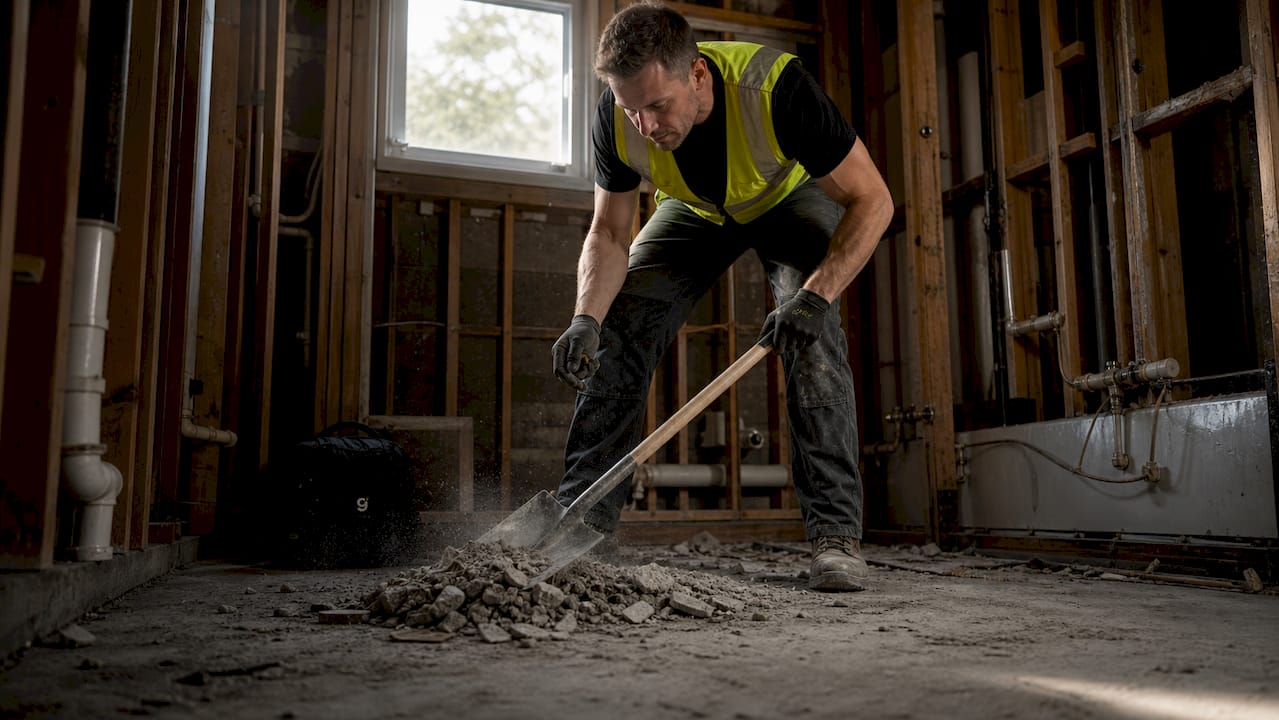
2. Intermediate clean
The intermediate clean follows once all trades have finished. This phase targets surfaces, fixtures, and fittings with detailed attention. Persistent dust on window sills, residue on glass, and grime on door frames all get addressed here. This is also when you tackle the first pass at grout haze and adhesive smears before they fully cure and become much harder to remove.
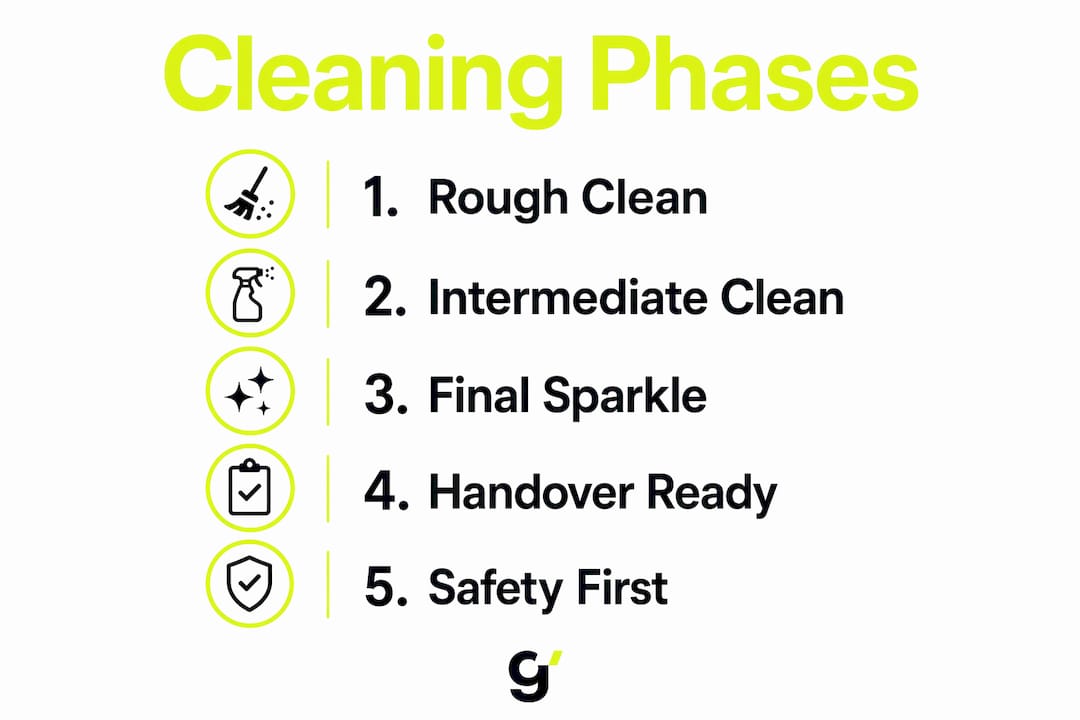
3. Final sparkle clean
The final sparkle clean is the handover-ready stage. HEPA vacuuming is a standard requirement at this phase, pulling fine particulate dust from floors, carpets, and air vents that earlier passes missed. Paint splatters get removed, glass gets polished, and every surface gets a final wipe-down. This is the clean that makes a property feel genuinely new.
Pro Tip: Schedule the intermediate clean at least 48 hours after the last trade leaves. Fine drywall dust takes time to fully settle, and cleaning too early means you will need to repeat the work.
Which construction residues need special attention?
Not all renovation mess is equal. Some residues require specialist treatment that ordinary household cleaners simply cannot deliver.
- Grout haze: A thin film of cement-based residue left on tiles after grouting. Regular multipurpose cleaners are ineffective on grout haze and can etch tile surfaces. Acid-based specialist cleaners are the correct tool.
- Drywall dust: Ultra-fine gypsum particles that coat every surface and penetrate HVAC systems. Standard vacuum filters cannot capture particles this fine, which is why HEPA filtration is non-negotiable.
- Adhesives and silicone smears: Construction adhesives and silicone sealant residues require solvent-based removers. Scraping without the right chemical first risks scratching new surfaces.
- Paint splatters: Dried paint on glass, tiles, and hardware needs specialist paint remover or a razor blade used at the correct angle to avoid scratching.
- Hazardous dusts: Lead, asbestos, silica, and mould require certified professional abatement. These are never DIY tasks. Certified professionals use containment protocols and specialist equipment to remove hazardous materials safely.
The core problem with DIY residue removal is product selection. Homeowners regularly reach for multipurpose cleaners on surfaces that need a targeted chemical agent, which either leaves the residue behind or damages the finish underneath. Knowing which agent matches which residue is the difference between a clean property and an expensive repair bill.
Pro Tip: Test any specialist cleaning agent on a small, hidden area first. Some tile cleaners and solvents react with certain stone or grout colours, and a test patch costs nothing compared to replacing a tiled surface.
How do you decide the right scope for your property?
The scope of renovation cleanup is not one-size-fits-all. Several factors shape how many phases you need and whether you call in professionals.
- Project scale: A bathroom retile needs a different scope than a full home renovation. Larger projects generate more hazardous fine dust and require more cleaning phases.
- Finish types: Polished concrete, natural stone, and timber floors each need specific cleaning agents and methods. The wrong product on the wrong surface causes permanent damage.
- Health risks: If the renovation disturbed materials older than 1990, asbestos testing is a prerequisite before any cleaning begins. Do not skip this step.
- Timeline: Staged cleaning aligned with trade completion prevents rework. Attempting all cleaning in one visit consistently leaves new dust and residue behind as settling continues.
When it comes to who does the work, the choice sits between three options: DIY, general cleaners, or specialist post-renovation cleaners.
DIY works for small projects with low-risk residues and no hazardous materials. General cleaners handle routine dirt well but typically lack the specialist chemicals and HEPA equipment needed for construction residues. Specialist post-renovation cleaners bring the right tools, agents, and staged scheduling to protect your new finishes and get the property ready for occupancy without rework.
Post-renovation cleaning cost depends on property size, finish types, and the equipment required. Staged cleaning helps you budget accurately because you align spend with each project phase rather than paying for everything upfront. Property managers often underestimate the cost of specialist agents needed to neutralise construction residues, which leads to incomplete cleaning or surface damage that costs more to fix than the cleaning would have.
For a practical breakdown of what deep cleaning after a renovation actually involves, the Grimescene guide on deep cleaning after renovation covers residue removal and finish protection in detail.
What tools and safety measures does post-renovation cleaning require?
The right equipment separates a thorough post-renovation clean from one that looks finished but leaves hazardous particles behind.
- HEPA vacuums: The single most important piece of equipment. Standard vacuum filters release fine construction dust back into the air. HEPA-filtered vacuums capture particles down to 0.3 microns, protecting indoor air quality and final finishes.
- Microfibre cloths: Trap fine dust rather than spreading it. Use separate cloths for different surfaces to avoid cross-contamination.
- Wet-dry vacuums: Handle wet slurry from grout cleaning and liquid spills that standard vacuums cannot manage.
- Steam mops: Effective on hard floors for lifting adhesive residue and sanitising surfaces without harsh chemicals.
- Protective plastic sheeting: Prevents dust spread to completed areas during rough and intermediate clean phases.
The cleaning sequence matters as much as the tools. Always work top-down, from ceilings to floors, and from rough to fine. Cleaning floors before dusting ceilings means you clean the floors twice. Repeated vacuum passes in different directions are critical for thorough dust removal from hard floors and carpet.
Personal protective equipment is non-negotiable. Proper PPE for post-renovation cleaning includes a P2 respirator, safety glasses, and chemical-resistant gloves. Drywall dust and silica particles cause serious lung damage with repeated exposure. If you are handling specialist chemical agents, add a face shield and ensure the space is ventilated.
For hazardous materials or situations requiring specialist equipment, hire professionals. The cost of professional abatement is always lower than the cost of treating a health condition caused by hazardous dust exposure.
Pro Tip: Run your HEPA vacuum over air vents and return grilles at the end of every cleaning phase. Construction dust accumulates in HVAC systems and recirculates through the property for weeks if not removed.
Key takeaways
Post-renovation cleaning scope is a defined, multi-phase process that requires specialist tools, targeted chemical agents, and staged scheduling to protect new finishes and ensure a property is safe for occupancy.
| Point | Details |
|---|---|
| Three distinct phases | Rough, intermediate, and final sparkle clean each target different residues and require different tools. |
| Specialist agents required | Ordinary household cleaners cannot remove grout haze, adhesives, or silicone smears without damaging surfaces. |
| HEPA filtration is non-negotiable | Standard vacuums release fine construction dust back into the air; HEPA vacuums capture particles down to 0.3 microns. |
| Staged cleaning prevents rework | Cleaning in one visit leaves new dust behind; aligning phases with trade completion saves time and money. |
| Hazardous dust needs professionals | Lead, asbestos, silica, and mould require certified abatement, never DIY handling. |
The part most people get wrong about renovation cleaning
The most common mistake I see is treating post-renovation cleaning as a single event. Homeowners book one cleaning visit for the day after the builder leaves, the cleaner does their best, and two days later the property is dusty again. That is not a failure of effort. It is a failure of scheduling. Fine drywall dust takes days to fully settle, and finishing trades often disturb surfaces that were already cleaned.
The second mistake is underestimating residues. Grout haze looks minor until it cures fully, at which point removing it without an acid-based cleaner risks damaging the tile. Silicone smears seem easy to wipe off until you realise you have just smeared them further. These are not problems that a general cleaner with a bucket of multipurpose spray can solve.
What actually works is a staged schedule tied to trade completion, specialist agents matched to each residue type, and HEPA equipment for every phase. The budget for this is higher than a standard clean, but it is always lower than the cost of repairing a scratched tile, a damaged timber floor, or a grout haze that has fully cured onto new porcelain. If you want to understand how remediation cleaning differs from a standard clean, that distinction is worth knowing before you book anything.
Invest in the right scope from the start. Your new finishes will thank you.
— Lead
Grimescene's post-renovation cleaning services
Grimescene specialises in exactly the kind of staged, specialist cleaning that post-renovation properties require.

Grimescene uses HEPA filtration equipment and non-toxic specialist agents that neutralise construction residues without damaging new finishes or leaving chemical traces behind. The service is tailored to your project scope, whether you need a single-phase rough clean or a full three-stage programme from bulk debris removal through to final sparkle. For urgent situations where a property needs to be ready fast, the 2-hour tactical clean delivers rapid professional intervention. Property managers preparing a renovated rental for guests can rely on Grimescene's short-term rental cleaning to get the property guest-ready and protect host ratings.
FAQ
What is the difference between a builders clean and a sparkle clean?
A builders clean removes bulk debris and construction residues across all surfaces. A sparkle clean is the final detail phase that polishes surfaces, removes paint splatters, and prepares the property for occupancy or handover.
Can I do post-renovation cleaning myself?
DIY is feasible for small, low-risk projects with no hazardous materials. Larger renovations require HEPA vacuums, specialist chemical agents, and staged scheduling that most homeowners do not have access to.
How long does post-renovation cleaning take?
Duration depends on property size, project scale, and the number of cleaning phases required. A full three-phase clean on a medium-sized home typically spans several days across multiple visits aligned with trade completion.
Is construction dust dangerous to health?
Fine construction dust, particularly silica and drywall particles, causes serious lung damage with repeated exposure. Hazardous dusts including asbestos and lead require certified professional abatement before any cleaning begins.
How do I remove grout haze from new tiles?
Grout haze requires an acid-based specialist cleaner, not a multipurpose household spray. Apply the cleaner to a test area first, follow the product instructions, and rinse thoroughly to avoid etching the tile surface.