
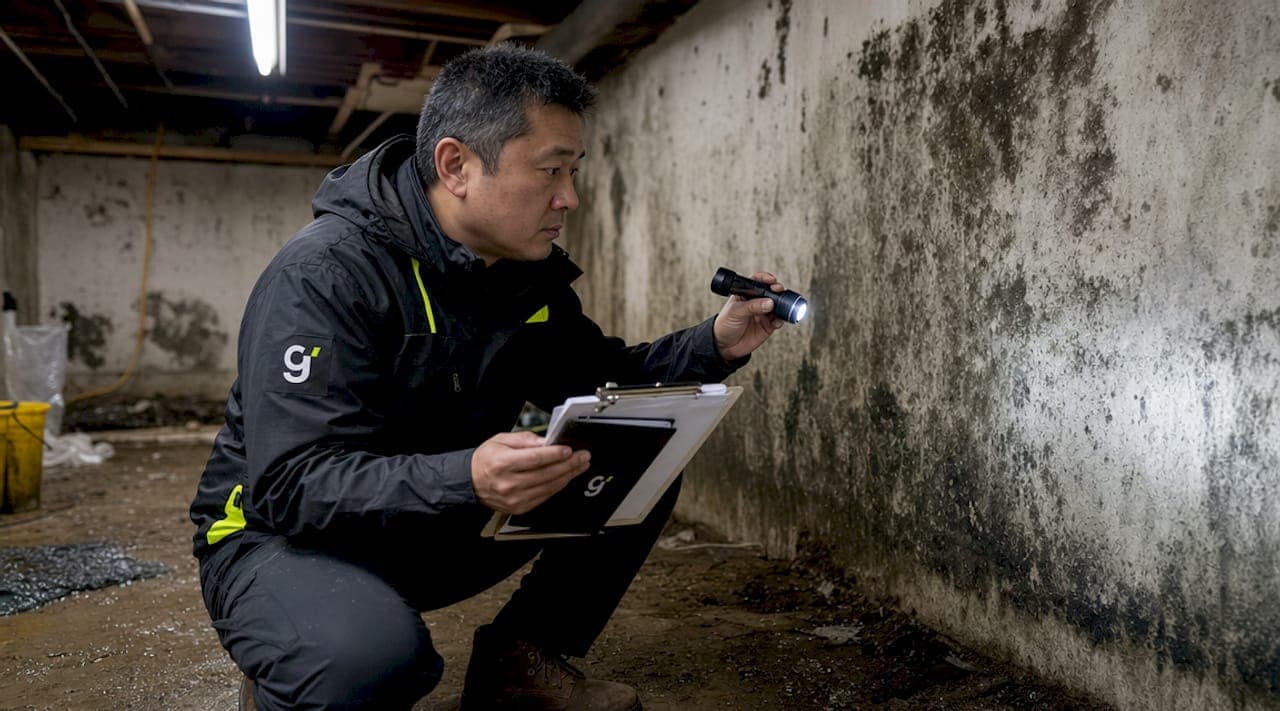
Remediation cleaning is defined as a controlled decontamination process that removes harmful contaminants, including mould, bacteria, soot, chemical residues, and biohazards, from a property to restore safe, habitable conditions. Unlike routine janitorial cleaning, which maintains surface appearance, remediation targets the root cause of contamination and eliminates health risks at a structural level. Certified frameworks like IICRC S520 and EPA guidance set the technical standards that govern how this work is carried out. Property managers and homeowners who understand what remediation cleaning involves are far better positioned to act decisively when a contamination event occurs, rather than discovering weeks later that a surface wipe-down made no real difference.
What is remediation cleaning and when is it necessary?
Remediation cleaning is the systematic removal of contaminants that pose a health or structural risk to a building and its occupants. The industry term most professionals use is environmental remediation or building remediation, and it covers a broad range of contamination scenarios. The process goes well beyond what a mop and bucket can achieve.
The situations that call for remediation cleaning fall into several clear categories:
- Mould growth: Any visible mould colony, particularly one covering more than 10 square feet, requires professional remediation rather than DIY surface scrubbing. Mould at this scale indicates a moisture problem that has penetrated building materials.
- Water damage: Flooding or persistent leaks create conditions for rapid microbial growth within 24 to 48 hours. Wet porous materials like drywall and carpet become breeding grounds for bacteria and mould spores.
- Fire and smoke damage: Soot particles are microscopic and toxic. They penetrate soft furnishings, wall cavities, and HVAC systems, making surface wiping entirely inadequate.
- Biohazard contamination: Bloodborne pathogens, sewage backflow, and animal waste require specialist containment and disposal under strict safety protocols.
- Chemical residues: Spills involving industrial chemicals, pesticides, or cleaning agents that have soaked into porous surfaces demand neutralisation, not just removal.
The distinction between minor cleaning and full remediation comes down to contamination depth and type. Wiping down a bathroom tile with mould spray is minor cleaning. Discovering black mould behind a wall cavity after a slow leak is a remediation scenario. The difference matters because incomplete treatment of a serious contamination event leaves the hazard in place, often invisibly.
Pro Tip: If you can smell mould but cannot see it, do not assume the problem is small. Mould growing inside wall cavities or under flooring is often more extensive than any surface sign suggests. Get a professional assessment before attempting any cleaning.
How does the remediation cleaning process work?
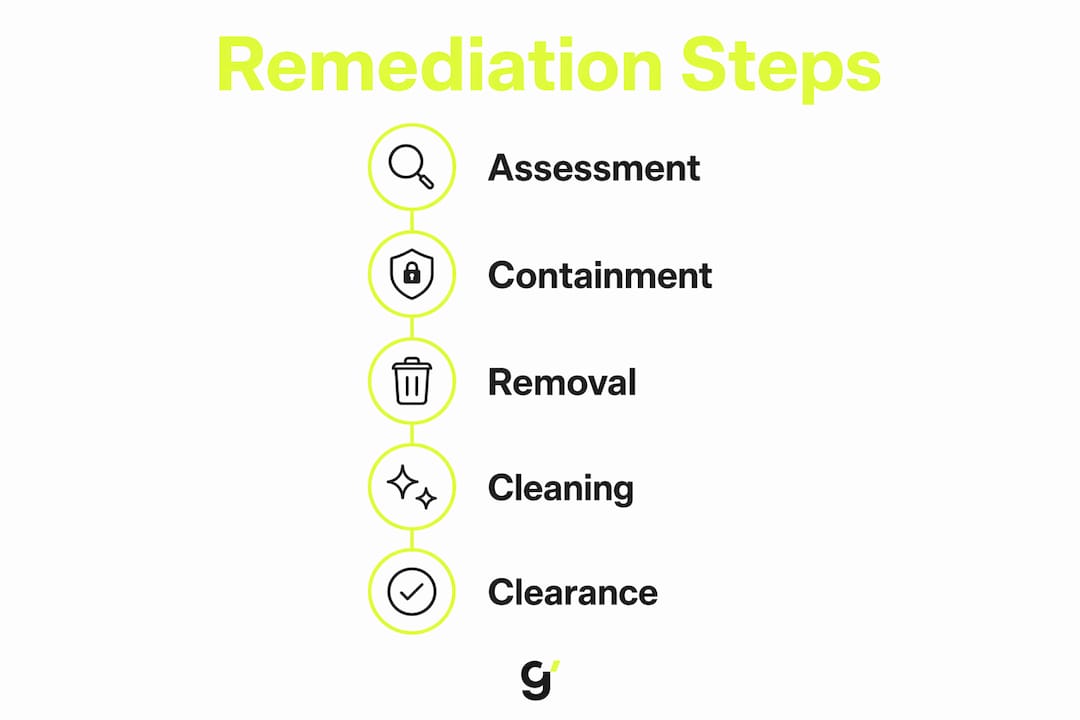
The remediation cleaning process follows a structured sequence of phases. Skipping any phase compromises the effectiveness and longevity of the outcome. Here is how a professional remediation job unfolds from start to finish.
- Inspection and assessment. Technicians identify the type and extent of contamination, locate moisture sources, and determine which materials are affected. Moisture metres, thermal imaging cameras, and air sampling equipment are standard tools at this stage.
- Containment setup. Plastic sheeting, negative air pressure systems, and sealed entry points prevent contaminated particles from spreading to unaffected areas of the building. This step is non-negotiable in professional remediation.
- Removal of contaminated materials. Porous materials like drywall and insulation are often removed entirely because contaminants penetrate deeply and cannot be fully cleaned. Non-porous surfaces like concrete and metal can typically be treated in place.
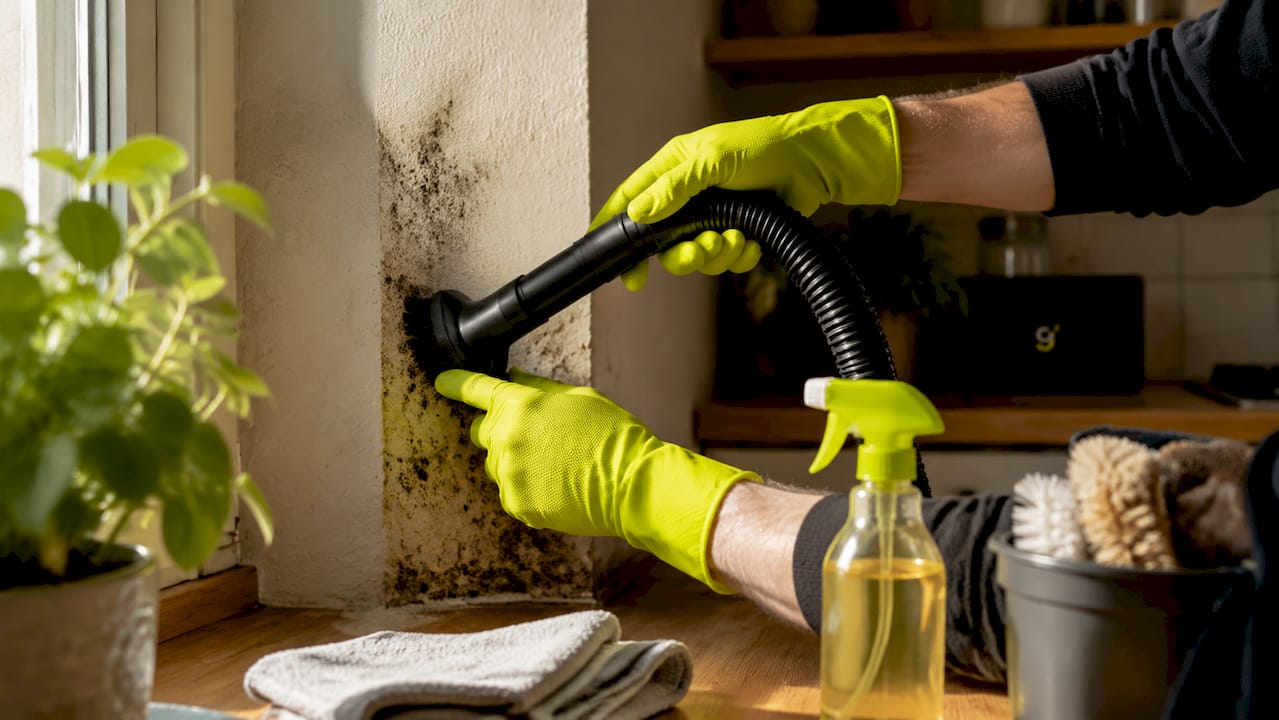
- Cleaning and antimicrobial treatment. HEPA vacuuming removes fine particles from surfaces and air. Antimicrobial agents are applied to hard surfaces to kill residual biological contamination. Surface scrubbing with appropriate detergents follows for any remaining residue.
- Moisture correction and drying. Fixing leaks and drying materials completely is the single most critical step for preventing recurrence. Industrial dehumidifiers and air movers run until moisture readings return to safe levels.
- Verification and clearance testing. Air quality tests and surface swabs confirm that contamination levels have returned to acceptable thresholds. A written clearance report is the professional standard before any restoration work begins.
Pro Tip: Always ask your remediation contractor for a written clearance report after the job is complete. A verbal "all clear" is not sufficient. The clearance report documents that independent testing confirmed safe conditions, which protects you legally and practically.
Remediation cleaning vs janitorial cleaning vs restoration
These three services are frequently confused, and that confusion leads to costly mistakes. Understanding the difference between these roles helps property managers allocate the right resources to the right problem.
| Service | Primary purpose | Scope |
|---|---|---|
| Janitorial cleaning | Maintain cleanliness and appearance | Surface dirt, dust, and general grime |
| Remediation cleaning | Remove contaminants and restore safety | Mould, soot, biohazards, chemical residues |
| Restoration | Repair and rebuild after remediation | Structural repairs, repainting, replacing materials |
Janitorial cleaning is scheduled maintenance. It keeps a building looking and smelling clean, but it is not designed to address health hazards. A commercial cleaner mopping a floor after a sewage overflow is not performing remediation. They are performing janitorial work on a surface that still carries active contamination risk.
Remediation focuses on health and environmental safety, removing contamination such as mould spores and soot rather than improving appearance. Restoration, by contrast, repairs what was removed during remediation. After a mould remediation job strips out infected drywall, a restoration contractor replaces that drywall and repaints the wall. The two services are sequential, not interchangeable.
IICRC S520 is the industry standard that formally defines the scope of mould remediation and distinguishes it from general cleaning. Professionals certified under this standard are trained to treat contamination as a health issue, not a cosmetic one.
What remediation cleaning techniques are used for specific contaminants?
Different contaminants require different technical approaches. A one-size-fits-all method does not exist in professional remediation.
- Mould remediation centres on moisture control as the core lever. Without eliminating the moisture source, any cleaning effort will fail within weeks. Porous materials are removed, hard surfaces are scrubbed with detergent and water, and HEPA vacuuming captures airborne spores. Antimicrobial coatings are applied as a final barrier.
- Fire and soot remediation requires targeting odour molecules rather than masking them. Soot is broken down using specialised chemical sponges and alkaline cleaners, followed by HEPA vacuuming to remove microscopic carbon particles. Thermal fogging or ozone treatment neutralises embedded smoke odour at a molecular level.
- Biohazard cleanup involves full personal protective equipment (PPE), containment of the affected zone, and disposal of contaminated materials under biosafety regulations. Bloodborne pathogen protocols follow OSHA guidelines, and all waste is treated as regulated medical waste.
- Chemical contamination requires identifying the specific substance before selecting a neutralisation method. Acid spills need alkaline neutralisers; solvent contamination may require absorbent media and specialist disposal. Guessing the wrong treatment can make the hazard worse.
- Advanced technologies like cryogenic cleaning offer a non-toxic remediation method for removing mould and sanitising surfaces affected by water damage. Dry ice blasting, for example, removes contamination without introducing additional moisture, which is a significant advantage in mould scenarios.
The choice of technique is always driven by the contaminant type, the porosity of the affected material, and the extent of the contamination. A professional assessment determines which combination of methods applies.
When should you hire a professional remediation service?
Some contamination scenarios are genuinely manageable without professional help. A small patch of surface mould on a bathroom tile, cleaned promptly and with the moisture source fixed, does not require a remediation contractor. Most scenarios that property managers and homeowners encounter, however, cross the threshold where professional intervention is the only safe option.
Hire a professional remediation service when:
- Visible mould covers more than 10 square feet, as professional remediation is required at this scale
- The contamination involves sewage, blood, or other biohazardous material
- Fire or smoke damage has affected wall cavities, insulation, or HVAC systems
- Water damage has been present for more than 48 hours without full drying
- Occupants are experiencing unexplained respiratory symptoms or allergic reactions
- The property is a short-term rental or commercial space where liability and guest safety are at stake
The risks of incomplete remediation are serious. Failure to eliminate moisture sources and dry affected materials fully is a leading cause of remediation failure, meaning the contamination returns, often worse than before. Certified professionals using HEPA filtration, containment barriers, and adherence to IICRC standards deliver outcomes that DIY approaches cannot replicate.
Clearance testing after professional remediation provides documented proof that the environment is safe. This matters for insurance claims, property sales, and rental compliance. Before engaging any contractor, verify their IICRC certification and ask specifically about their clearance testing process.
Key takeaways
Effective remediation cleaning requires moisture control, proper containment, and documented clearance testing to produce results that last.
| Point | Details |
|---|---|
| Remediation vs cleaning | Remediation removes health hazards at depth; janitorial cleaning only maintains surface appearance. |
| Moisture control is decisive | Without fixing the moisture source, any mould remediation effort will fail and contamination will return. |
| Porous materials often need removal | Drywall, insulation, and carpet can harbour contaminants that cannot be cleaned in place. |
| Clearance testing confirms safety | A written clearance report after remediation is the professional standard before restoration begins. |
| Professional thresholds exist | Mould over 10 square feet, biohazards, and fire damage all require certified professional remediation. |
Why moisture control is the part most people get wrong
I have seen a lot of remediation jobs assessed after the fact, and the pattern is consistent. The work that fails almost always fails for the same reason: the moisture source was not fixed before the cleaning began. Someone scrubs the mould off the wall, applies an antimicrobial spray, and considers the job done. Six weeks later, the mould is back, often in a larger area, because the slow leak behind the wall was never addressed.
The other mistake I see regularly is treating remediation as a cosmetic exercise. A property looks clean after a surface scrub, and that visual result creates a false sense of completion. Remediation is about what you cannot see. It is about spore counts in the air, moisture readings inside wall cavities, and contamination levels on surfaces that look perfectly fine to the naked eye. The clearance test is the only honest measure of success.
For property managers specifically, the liability angle is worth taking seriously. If a tenant or guest reports health issues after a contamination event that you addressed with a mop and bucket, the absence of a professional clearance report is a significant problem. Certified remediation with documented outcomes is not just best practice. It is protection.
When you are vetting a remediation contractor, ask three questions: Are you IICRC certified? Do you use negative air pressure containment? Do you provide a written clearance report? If any answer is no, keep looking.
— Lead
Grimescene's approach to expert remediation cleaning

Grimescene delivers professional remediation cleaning for residential and commercial properties across Australia, using advanced non-toxic agents that neutralise contamination without introducing harsh chemicals into your environment. Every job follows a structured protocol covering containment, HEPA filtration, antimicrobial treatment, and moisture correction, aligned with current IICRC and EPA standards. For short-term rental hosts, the Scene Reset protocol handles post-incident decontamination with the speed and thoroughness that guest ratings demand. Whether you are dealing with mould, soot, biohazards, or post-construction residue, Grimescene's team is ready to assess and act. Book a rapid response and get a documented clearance report you can rely on.
FAQ
What is remediation cleaning in simple terms?
Remediation cleaning is the professional removal of harmful contaminants, such as mould, soot, or biohazards, from a property to restore safe conditions for occupants. It goes beyond surface cleaning by addressing contamination at a structural level.
How does remediation cleaning differ from regular cleaning?
Regular cleaning maintains appearance by removing surface dirt and dust. Remediation cleaning targets health hazards like mould spores, chemical residues, and pathogens using containment, HEPA filtration, and antimicrobial treatments.
Is remediation cleaning necessary for small mould patches?
Small surface mould patches on non-porous materials can often be cleaned with detergent and water if the moisture source is fixed. Mould covering more than 10 square feet, or any mould inside wall cavities, requires professional remediation.
What happens after remediation cleaning is complete?
After remediation, clearance testing confirms that contamination levels are within safe thresholds. Once a written clearance report is issued, restoration work such as replacing drywall or repainting can begin safely.
How long does the remediation cleaning process take?
The timeframe depends on the type and extent of contamination. A contained mould remediation job in a single room may take one to three days, while fire damage or extensive water damage remediation can take one to two weeks including drying time.