
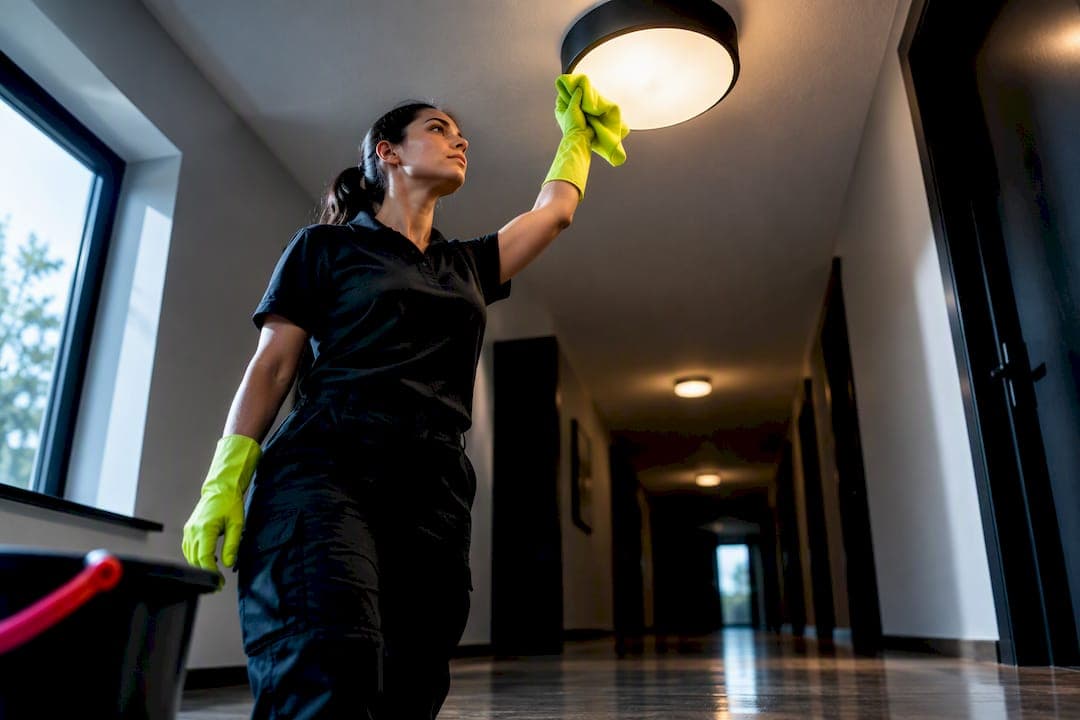
A property manager cleaning checklist has one job: prove the property meets a "reasonably clean" standard by matching every room against the entry condition report. That means room-by-room tasks for the kitchen, bathrooms, living areas, bedrooms, laundry, carpets, windows and outdoor spaces, backed by time-stamped photos and invoices for any professional work. Get that pairing right and most bond disputes never happen.
TL;DR:
- Professional cleaning must document key problem areas like oven racks, skirting edges, and behind appliances with photos and detailed reports to reduce bond disputes.
- Regular maintenance tasks, scheduled seasonally and weekly, prevent deep grime buildup and should be paired with evidence like invoices and timestamped photos for proof.
- Smaller disputes often stem from missed spots such as window tracks, light fittings, and behind toilets, which require targeted validation checks before considering a property fully cleaned.
- Cleaning contractors should work within a well-defined scope with clear quotes, and provide photographic evidence after each task to avoid conflicts over incomplete cleaning.
- Using proper equipment, non-toxic products, and a systematic top-to-bottom, batch task approach increases cleaning efficiency and maintains standards across different property types.
Table of Contents
- The room-by-room property manager cleaning checklist
- Where inspections actually fail: commonly missed spots
- How often should rental cleaning tasks happen?
- What documentation actually protects your bond claim
- Essential supplies and techniques that speed up turnovers
- Adjusting the checklist for different property types
- Health and safety considerations when cleaning rentals
- Coordinating and checking professional cleaning services
- Managing your time efficiently across a full clean
- A lesson from the field on scope and evidence
- When it's time to bring in a professional clean
- Sources
- FAQ
The room-by-room property manager cleaning checklist
Inspectors and outgoing tenants argue about the same handful of areas every time: ovens, grout, skirting boards and window tracks. A checklist built around what actually gets scrutinised beats a generic "clean the house" instruction every time.
Work through the property in this order, because it mirrors how most agents walk a final inspection.
- Kitchen – Clean inside and outside every cupboard and drawer, degrease the oven and rangehood filter, wipe behind and underneath appliances (fridge, dishwasher, stove), and scrub the sink drain, plughole and tapware until they shine.
- Bathroom and toilet – Remove soap scum from screens and tiles, get into the grout lines with a proper grout brush, polish taps and fittings, and clean the exhaust fan cover along with the vent grille.
- Living areas and bedrooms – Dust from ceiling fans and light fittings down to power points, wipe every skirting board, and clean built-in wardrobes inside and out, including tracks and shelving.
- Laundry – Wipe down the machine seals, clean the lint filter, and scrub tapware and any tubs or sinks.
- Carpets and rugs – Vacuum thoroughly and spot-treat marks; only book a professional steam clean when the entry report shows the carpet was professionally cleaned at the start of the tenancy, or when staining goes beyond fair wear and tear.
- Windows and doors – Clean glass inside and out where accessible, wipe frames and tracks, clear cobwebs from corners, and hose down or wipe flyscreens.
- External areas – Sweep paths and verandahs, tidy garden beds, lift oil stains from the garage floor, and check gutters seasonally rather than at every turnover.
A few of these tasks deserve more attention than a one-line bullet suggests. The oven is the single item that most often triggers a dispute, because "reasonably clean" gets interpreted loosely by tenants and strictly by agents. Pull the racks out, clean them separately, and photograph the empty cavity once it's done. Wardrobes are the other sleeper issue: tenants forget the top shelf and the tracks at the base of sliding doors, and both show up instantly under an inspector's torch.
Door and joinery finishes matter too, particularly in older properties with painted or timber interior doors. A gentle, non-abrasive approach protects the finish while still lifting grime, and guidance on cleaning interior doors without damaging paintwork is worth passing on to any cleaner unfamiliar with older door hardware.
Pro Tip: Photograph each room in the same sequence you used for the entry condition report. It turns your evidence pack into a direct side-by-side comparison instead of a scattered pile of images an agent has to interpret.
If pets lived in the property, keep the carpet steam-clean invoice on file. Vacating checklists issued by government housing bodies specifically flag pet-related carpet cleaning receipts as evidence that can support a bond claim.
Where inspections actually fail: commonly missed spots
Most disputes come down to five predictable blind spots: window tracks, skirting board edges, oven racks, the floor and wall behind appliances, and light fittings. Add the area behind toilets, which sits at eye level for nobody except an inspector on their knees with a torch.
- Window tracks (grit and dead insects accumulate fast)
- Skirting board edges, especially in corners
- Oven racks and the door seal
- Behind and underneath the fridge and washing machine
- Light fittings and ceiling fan blades
- Behind toilets and under vanity units
Run a five-minute validation walk once the main clean is done, checklist and phone camera in hand, checking these exact spots before anyone calls the job finished.
Pro Tip: Flag any item that fails the walk-through with a sticky note or a marked line on the checklist, then schedule a fixed 30-minute touch-up slot before the tenant or agent arrives, rather than trying to fix it on the fly during the inspection itself.
How often should rental cleaning tasks happen?
A checklist only works if it's run on a schedule, not just when a tenant is about to leave. Splitting tasks into daily, weekly and seasonal bands keeps standards consistent and stops small grime problems turning into deep, expensive ones.
- Daily – Tidy shared or common areas, remove rubbish, and spot-check high-use items like kitchen benches and bathroom basins.
- Weekly – Vacuum throughout, deep-wipe the bathroom, and clean kitchen appliance surfaces properly rather than a quick wipe.
- Seasonal – Clear gutters, wash external surfaces, check HVAC filters, and schedule a deep carpet or upholstery clean where the entry report or ongoing evidence justifies it.
Pairing seasonal cleaning with scheduled maintenance visits cuts duplicated site visits and prevents water damage from gutters or filters that get overlooked between tenancies. If a gutter clean and an HVAC filter swap are due the same month, book them together rather than sending someone out twice. A seasonal deep clean calendar built around these three bands removes the guesswork from when each task is actually due.
What documentation actually protects your bond claim
Cleaning without evidence is wasted effort if a dispute ends up in front of a tribunal. The entry condition report is your baseline, and the exit report should be completed in the tenant's presence wherever possible, comparing the same items line by line.
- Complete the exit condition report against the same categories used at entry
- Photograph high-detail zones: oven interior, carpet stains, window tracks, appliance model and serial plates
- Time-stamp every photo, ideally through your phone's default camera settings
- Keep invoices and service reports for any professional cleaning or pest control
- File everything together as a single evidence pack, not scattered across emails
| Evidence item | Why it matters |
|---|---|
| Entry condition report | Sets the baseline standard the exit clean is judged against |
| Time-stamped photos | Give tribunals and agents objective proof over subjective descriptions |
| Invoices for professional services | Support claims where specialist cleaning (carpets, pest control) was required |
The NSW rental condition report guidance is blunt about this: the more detail and photos included, the fewer disputes arise. A written cleaning compliance record saved to the property file turns a one-off clean into evidence you can point to months later.
Essential supplies and techniques that speed up turnovers
You don't need a garage full of products, just the right categories covered: a non-toxic all-purpose cleaner, microfibre cloths, an extendable duster for high fittings, a dedicated oven cleaner, a carpet spot treater, and gloves for anyone handling chemicals.
- Non-toxic, bleach-free all-purpose cleaner for general surfaces
- Microfibre cloths (colour-coded for kitchen versus bathroom to avoid cross-contamination)
- Extendable duster for ceiling fans, light fittings and high shelves
- Oven-specific degreaser
- Carpet spot treater for isolated stains
- Gloves rated for the chemicals being used
Work top to bottom in every room so dust and debris land on surfaces you'll clean last, not ones you've already finished. Many cleaning crews use a "20/10" working rhythm, 20 minutes of focused cleaning followed by a 10-minute reset to restock and reassess, which keeps energy up during a full property turnover rather than one long unbroken slog. Run the whole job off the checklist itself rather than memory, and hand it over item by item at the end so nothing gets skipped in the rush to finish.
Adjusting the checklist for different property types
A one-bedroom apartment and a four-bedroom family house don't need the same checklist, even though the underlying standard is identical. Apartments usually skip external garden tasks entirely but need extra attention on shared-wall skirting and balcony tracks, which collect grit from wind exposure that a ground-floor house never sees.
Houses with gardens need the external section expanded: garage floors, fence lines, and gutter checks all become relevant in a way they simply aren't for a strata unit. If the property has a pool or shared facilities, add a separate line item for those areas rather than folding them into "external," because they usually carry their own compliance requirements.
Short-term rentals need a compressed version of the full checklist, since turnovers happen in hours rather than weeks. Focus the abbreviated pass on what a guest notices first: bathroom, kitchen surfaces, and bedding, while running the deeper tasks like oven interiors and window tracks on a rolling weekly or fortnightly cycle instead of every single changeover.
Furnished properties add an extra layer entirely. Upholstery, curtains and rugs all need their own line items, because they're assessed against the entry report the same way fixed fittings are. Pet-friendly properties should build in a mandatory carpet and upholstery check regardless of visible staining, since odour and allergen residue can fail an inspection even when the carpet looks fine.
For share-house or multi-tenant properties, split the checklist by individual room ownership versus shared common areas, since responsibility for cleaning standards often gets contested between outgoing tenants when the areas aren't clearly delineated on paper.
Health and safety considerations when cleaning rentals
Chemical safety isn't optional, particularly in older properties where ventilation is limited and multiple products might get used in the same session. Never mix bleach-based products with ammonia-based ones. The combination produces toxic fumes, and it's one of the most common accidental exposures in residential cleaning.
Open windows and run exhaust fans in bathrooms and kitchens whenever chemical cleaners are in use, even in cooler months when the instinct is to keep the property sealed. Gloves should be worn for anything beyond light dusting, and eye protection matters when working with oven degreasers or grout treatments, which tend to splash upward during scrubbing.

Non-toxic, bleach-free formulations reduce this risk considerably and are worth defaulting to across most tasks, since they cut down on both fume exposure and the chance of surface damage from harsh chemical residue. This matters more in occupied properties or ones being shown to prospective tenants shortly after cleaning, where lingering chemical smell can actually work against the property rather than for it.
Working at height, gutters, high windows, ceiling fans, deserves proper equipment rather than improvised solutions like standing on furniture. A stable ladder and, for anything above single-storey gutter height, a decision about whether the job needs a professional rather than DIY effort.
Coordinating and checking professional cleaning services
Hiring a contractor without a written scope is where most disputes between property managers and cleaning providers start. Clear quotes and defined scopes protect both sides, spelling out exactly what's included, what's excluded, such as high-reach exterior windows, and what "done" actually looks like for each room.
Once a scope is agreed, quality checks should follow the same room-by-room structure as the checklist itself rather than a general walkthrough. Check the oven, grout lines and window tracks specifically, because these are the items a rushed contractor is most likely to skip under time pressure. Keeping invoices and detailed service records on file gives you something concrete if a completed job later gets disputed by an incoming tenant or agent.
Build a short sign-off step into every contractor booking: a final photo set taken by the cleaner before they leave, matched against the checklist items they were contracted for. It takes five minutes and closes the gap between "the invoice says it's done" and proof that it actually is.

Managing your time efficiently across a full clean
Sequencing beats speed. Working top to bottom and back to front in each room, ceiling fittings first, floors last, avoids redoing sections because dust or product residue settled after you'd already finished them.
Batch similar tasks across rooms rather than finishing one room completely before starting the next. Wipe every skirting board in the property in one pass, then move to the next task type. This cuts down on the mental switching between "detail work" and "broad surface work" that slows most cleaners down.
Set a fixed time budget per room based on its complexity, kitchens and bathrooms typically need double the time of a bedroom, and treat that budget as a hard stop rather than an open-ended task. If a room is running over, note what's left, move on, and come back for a focused touch-up once the rest of the property is done.
A lesson from the field on scope and evidence
The biggest disputes we see aren't about dirty properties. They're about undocumented ones. A clear scope of work between property manager and cleaner, paired with a full photo record, has settled more bond disagreements than any argument about what "clean" technically means.
— Lead
When it's time to bring in a professional clean
Some turnovers don't leave room for a DIY checklist and a spare afternoon. Heavy soiling, biohazard situations, or a tight handover window where documented evidence has to be airtight all call for a managed service rather than a rushed weekend job.

For end-of-tenancy work, Final Case covers bond and vacate cleans built against the same room-by-room standard an inspector actually checks. Ongoing properties are better served by The Routine Patrol, which keeps a rental at inspection-ready standard between tenancies rather than letting grime build until a big clean is unavoidable. For properties with heavier buildup, such as post-construction sites or long-neglected units, Deep Decontamination and the Scene Reset protocol handle the kind of remediation a standard clean can't touch. If you need proof of work for a bond claim or an incoming tenant, ask for before-and-after documentation as part of the booking to support evidence of cleaning.
Sources
- Condition reports - Consumer Affairs Victoria
- Property maintenance services checklist guide — Buildium
FAQ
What is the 20/10 rule for cleaning?
It's a working rhythm where you clean in focused 20-minute bursts followed by a 10-minute reset to restock supplies and reassess what's left. Cleaning crews use it to keep energy consistent across a full property turnover instead of burning out on one long session.
How clean does my property need to be for a rental inspection?
The legal standard is "reasonably clean," assessed by comparing the exit condition against the entry condition report rather than an absolute standard of spotlessness. If professional cleaning was done before the tenancy started, the same standard is generally expected at exit.
What are the 7 stages of cleaning?
Definitions vary across industries, but a common commercial version runs: preparation, dust removal, pre-clean of heavily soiled areas, application of cleaning agents, agitation or scrubbing, rinsing or wiping, and a final inspection pass. For rental turnovers, that final inspection stage is where the room-by-room checklist earns its keep.
What is the daily 6 cleaning list?
There's no single fixed "daily six" recognised across the property industry, but most daily routines cover rubbish removal, common-area tidying, spot-checking high-use surfaces, wiping kitchen benches, a quick bathroom check, and a floor sweep in busy zones. It's meant to prevent small mess from compounding into a bigger job later in the week.
Does Grimescene provide documented proof of cleaning for bond claims?
Grimescene's approach is built around before-and-after evidence to support exactly this kind of documentation need. Current pricing for services like Final Case bond and vacate cleans is available directly on the site rather than published as a flat rate.