
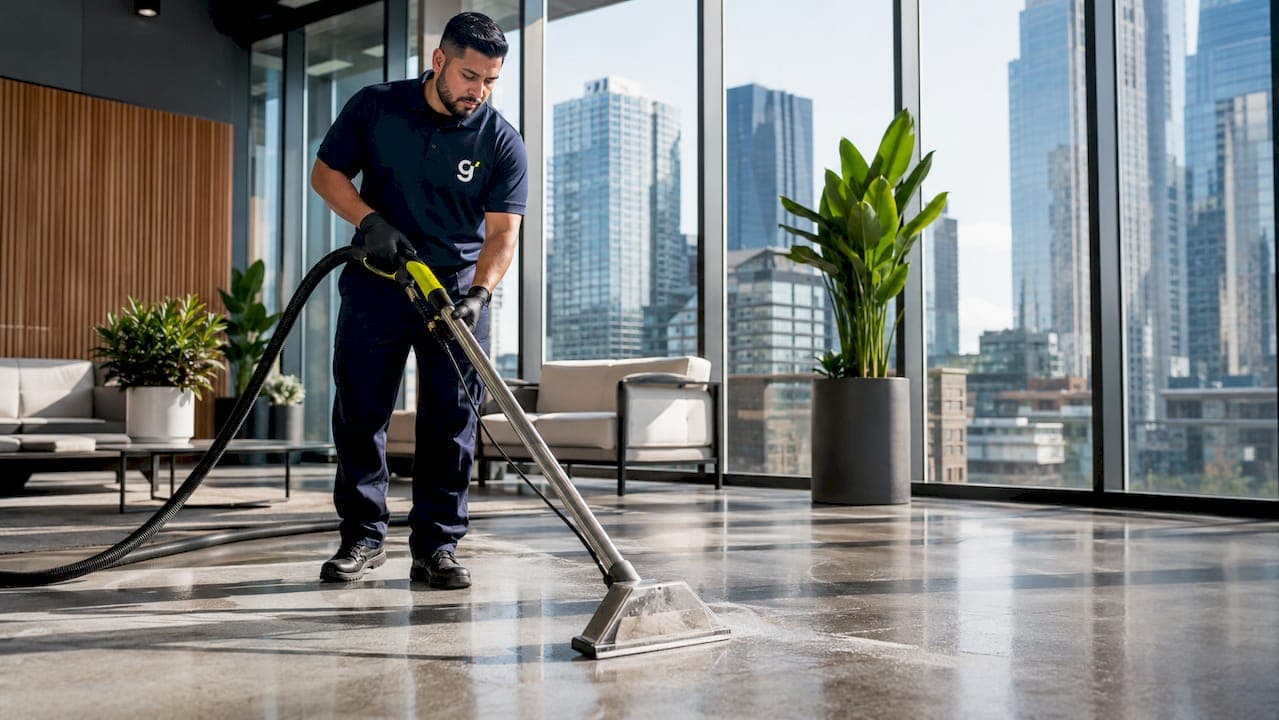
Commercial deep cleaning is a comprehensive restoration process that targets hidden soil, pathogen-harbouring surfaces, and structural buildup well beyond what routine janitorial work addresses. For business owners and facility managers, understanding the types of commercial deep cleaning services available is the difference between a workspace that looks clean and one that genuinely is. The industry term for this work is "commercial remediation cleaning," and it covers everything from hot water extraction carpet cleaning and EPA-registered disinfection to floor stripping, air duct clearing, and kitchen degreasing. Selecting the right service type depends on your facility's risk profile, usage patterns, and compliance obligations.
1. What are the main types of commercial deep cleaning services?
Commercial deep cleaning is defined as a top-to-bottom restorative and sanitising process that addresses areas routine cleaning never reaches. These include ceiling vents, grout lines, upholstery fibres, appliance interiors, and high-touch surfaces throughout the facility.
The core service categories are:
- Detailed surface cleaning: Dusting and wiping down high shelves, light fittings, vents, skirting boards, and wall surfaces. This removes accumulated particulate matter that contributes to poor indoor air quality.
- Carpet and upholstery deep cleaning: Uses methods such as hot water extraction (HWE) and encapsulation to remove embedded soil from carpet pile and fabric surfaces.
- Hard floor deep cleaning: Covers scrubbing, stripping, and refinishing for hardwood, vinyl, and tile floors, with each surface requiring a different chemical and mechanical approach.
- Restroom deep sanitisation: Focuses on grout, fixtures, and high-touch contact points using EPA-registered disinfectants with enforced dwell times.
- Kitchen and breakroom degreasing: Commercial kitchens require thorough degreasing of appliances, exhaust systems, and surfaces to prevent dangerous grease accumulation.
- Air duct and HVAC vent cleaning: Removes dust, mould spores, and debris from ductwork to improve indoor air quality and reduce allergen load across the facility.
Pro Tip: Schedule air duct cleaning before carpet and floor services. Dislodged duct debris will resettle on freshly cleaned surfaces if the order is reversed.
Each of these service types addresses a distinct contamination risk. The best commercial deep cleaning services for offices will typically combine detailed surface cleaning, carpet restoration, and targeted disinfection as a baseline programme.
2. Carpet and floor deep cleaning: how do the methods differ?
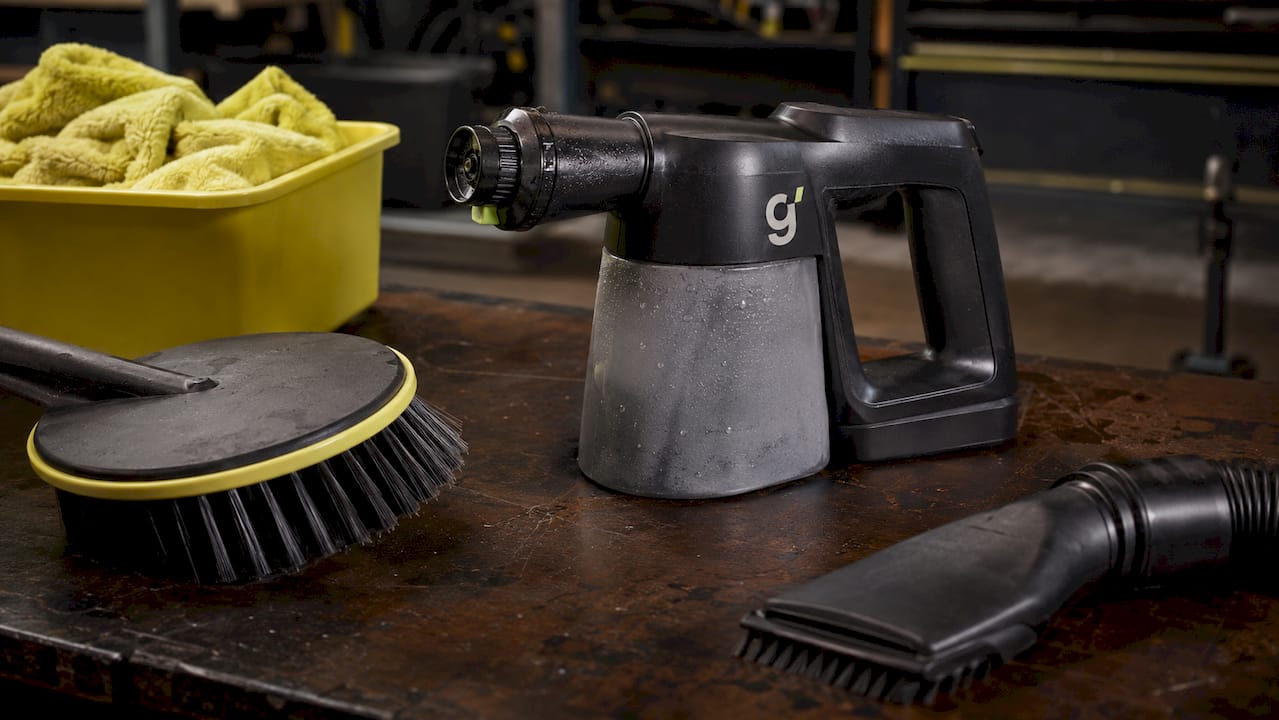
Carpet and floor deep cleaning are the most technically varied categories in commercial remediation cleaning. The method you specify directly determines whether you achieve genuine restoration or just surface-level improvement.
Carpet cleaning methods
Hot water extraction is the restorative standard for commercial carpet. It uses water heated to 150–200°F injected under pressure into the carpet pile, then immediately vacuumed out along with dissolved soil. The process includes a grooming step to reset pile direction and speed drying. HWE resets the carpet's soil load, which allows daily vacuuming to maintain cleanliness between cycles.
Encapsulation cleaning uses low-moisture polymer solutions that crystallise around soil particles for easier vacuuming. It is faster and causes less disruption to business operations, but it cannot extract deeply embedded soil. Relying on encapsulation alone accelerates carpet degradation over time. Encapsulation is an interim method, not a substitute for HWE.
Hard floor cleaning methods
Floor deep cleaning varies significantly by surface type. Tile and grout cleaning requires an alkaline pre-treatment to break down organic soil, mechanical agitation, an acid rinse to neutralise residue, and a curing period before any sealer is applied. Hardwood floor restoration involves stripping old wax layers, machine scrubbing, and re-polishing. Vinyl composition tile (VCT) typically requires stripping, scrubbing, and multiple coats of floor finish.
| Method | Best for | Key benefit | Limitation |
|---|---|---|---|
| Hot water extraction | Carpet (restorative) | Removes deep soil load | Longer drying time (4–12 hours) |
| Encapsulation | Carpet (interim) | Low moisture, fast return | Cannot extract embedded soil |
| Alkaline/acid tile clean | Tile and grout | Restores grout colour | Requires curing before sealing |
| Strip and polish | VCT and hardwood | Restores finish and sheen | Labour-intensive, needs staging |
Pro Tip: Always confirm drying and curing times with your contractor before scheduling. Effective floor restoration requires staging that accommodates wet surface dwell times and curing windows to avoid re-soiling and finish damage.
3. What role does sanitation and disinfection play in commercial deep cleaning?
Sanitising and disinfecting are not the same process, and confusing them is one of the most common mistakes in commercial cleaning contracts. Sanitising reduces the general germ load on a surface to levels considered safe under public health standards. Disinfecting targets the destruction of specific pathogens and is reserved for higher-risk and high-touch surfaces.
High-touch surfaces that require disinfection in most commercial facilities include:
- Door handles and push plates
- Light switches and power point covers
- Lift buttons and handrails
- Keyboards, mice, and shared desk equipment
- Tap handles and toilet flush mechanisms
- Reception counters and shared phone handsets
EPA-registered disinfectants must be applied according to label instructions, which specify a dwell time, typically 1–10 minutes of visible surface wetness. Wiping a surface before the dwell time expires reduces disinfection efficacy significantly. This is a step many commercial cleaners skip under time pressure.
Deep cleaning is defined not just by time spent but by restoration-focused protocols that address hidden dirt and respect disinfectant dwell times for true pathogen control.
Selecting the right disinfectant also matters. Broad-spectrum products suit most high-touch areas in offices and gyms. Healthcare facilities and commercial kitchens may require products registered for specific pathogens. A residue-free cleaning approach is worth specifying in contracts where food preparation or sensitive equipment is involved.
4. When should you choose specialised deep cleaning types?
The right deep cleaning service type depends on your facility's sector, usage intensity, and regulatory obligations. Not every business needs every service category at the same frequency.
1. Offices: Standard office deep cleaning types include detailed surface cleaning, carpet HWE, and high-touch disinfection. Quarterly deep cleaning cycles suit most medium-traffic offices, with monthly disinfection of high-touch zones.
2. Commercial kitchens: Degreasing of exhaust hoods, appliances, and floor drains is a compliance requirement in most Australian states. Monthly deep cleaning is the minimum for high-volume kitchens. Grease buildup in exhaust systems is a fire hazard, not just a hygiene issue.
3. Healthcare and aged care facilities: These require the highest disinfection standards. Pathogen-specific EPA-registered products, enforced dwell times, and documented cleaning logs are non-negotiable. Deep cleaning cycles here are often weekly for clinical zones.
4. Gyms and fitness centres: High-touch equipment, rubber flooring, and locker rooms create concentrated contamination zones. Rubber floor cleaning requires pH-neutral products to avoid surface degradation. Upholstery on equipment needs HWE or foam extraction quarterly.
5. Educational campuses: High foot traffic across multiple surface types means deep cleaning is best scheduled during term breaks. Carpet HWE, hard floor restoration, and full restroom sanitisation are the priority service types.
6. Retail and hospitality: Entry areas, fitting rooms, and food service zones accumulate soil rapidly. High-traffic area cleaning for these environments should prioritise carpet and hard floor restoration alongside surface disinfection.
Understanding the difference between janitorial and remediation cleaning is the starting point for building an effective cleaning programme. Janitorial work maintains appearance; remediation cleaning restores hygiene at a structural level.
Pro Tip: When reviewing contractor proposals, ask specifically whether carpet cleaning includes HWE or only encapsulation. Contracts that specify only "carpet cleaning" without method detail often default to interim-only methods, which undermines long-term carpet health.
Key takeaways
The most effective commercial deep cleaning programme combines restorative carpet methods, surface-specific floor protocols, and enforced disinfectant dwell times tailored to your facility's risk zones.
| Point | Details |
|---|---|
| Deep cleaning vs routine cleaning | Deep cleaning targets hidden soil and structural buildup; routine janitorial work only maintains surface appearance. |
| Carpet method matters | Hot water extraction is the only restorative carpet method; encapsulation alone accelerates carpet degradation over time. |
| Disinfection requires dwell time | EPA-registered disinfectants must remain visibly wet for 1–10 minutes to achieve effective pathogen kill. |
| Sector drives service selection | Healthcare, commercial kitchens, and gyms each require different service types, frequencies, and chemical protocols. |
| Scheduling affects outcomes | Floor curing and disinfectant dwell times must be built into the cleaning schedule to avoid re-soiling and reduced efficacy. |
What I've learned from watching deep cleaning contracts go wrong
Most facility managers I speak with have the same blind spot: they assume "deep cleaning" is a frequency decision rather than a method decision. They schedule a deep clean quarterly and tick the compliance box, without ever specifying what methods the contractor must use. That is where the problems start.
The single most common issue I see is carpet encapsulation being delivered as a deep clean. It looks thorough. The carpet smells fresh. But the embedded soil load has not moved. Six months later, the carpet is visibly degraded and the facility manager cannot work out why. The answer is almost always that restorative HWE was never included in the contract.
The second issue is disinfection theatre. Surfaces get sprayed and immediately wiped. The dwell time is ignored entirely. The facility looks clean, but high-touch surfaces have not been genuinely disinfected. For offices this is an inconvenience. For healthcare or food service environments, it is a compliance failure.
My advice is straightforward. Write the method into the contract, not just the outcome. Specify HWE for carpet restoration. Specify dwell times for disinfectants. Specify curing windows for floor finishes. A cleaning programme built on vague outcomes will always default to the fastest, cheapest method available. A programme built on specified protocols delivers consistent, verifiable results.
— Lead
How Grimescene approaches commercial deep cleaning
Grimescene delivers commercial deep cleaning across all the service types covered in this article, from carpet hot water extraction and hard floor restoration to full disinfection programmes and kitchen degreasing. Every service is built around non-toxic, eco-friendly agents that neutralise buildup without leaving chemical residue, making them safe for staff, clients, and the environment.
If you manage a commercial facility and need a cleaning programme that goes beyond surface appearance, Grimescene's team can assess your risk zones and build a tailored service plan. Visit Grimescene's commercial cleaning services to explore the full range of solutions available for your business.
FAQ
What is commercial deep cleaning?
Commercial deep cleaning is a restorative sanitation process that targets hidden soil, embedded contaminants, and high-touch surfaces beyond the scope of routine janitorial work. It includes carpet HWE, floor restoration, disinfection, and specialised area cleaning such as kitchen degreasing and air duct clearing.
How often should a commercial facility be deep cleaned?
Most offices benefit from quarterly deep cleaning cycles, with monthly high-touch disinfection. Commercial kitchens, healthcare facilities, and gyms typically require more frequent cycles, often monthly or weekly for critical zones, depending on usage and regulatory requirements.
What is the difference between sanitising and disinfecting?
Sanitising reduces the general germ load on a surface to acceptable public health levels. Disinfecting uses EPA-registered products to kill specific pathogens and is required for high-touch and high-risk surfaces such as door handles, keyboards, and restroom fixtures.
Why does carpet cleaning method matter for commercial spaces?
Hot water extraction is the only method that removes deeply embedded soil from commercial carpet. Encapsulation is an interim measure that crystallises surface soil but cannot restore carpet health. Specifying only encapsulation in a cleaning contract accelerates long-term carpet degradation.
What should I look for in a commercial deep cleaning contract?
Specify the cleaning method, not just the task. Contracts should name the carpet cleaning method (HWE vs encapsulation), disinfectant dwell times, floor curing windows, and the chemical products to be used. Vague contracts default to the fastest available method, which rarely delivers genuine restoration.