

Most eco-friendly cleaning products perform as well as conventional cleaners when used correctly. The eco cleaning myths debunked list below cuts through the noise by addressing the most persistent green cleaning myths with science, not marketing. Certifications like EPA Safer Choice, Green Seal, and ECOLOGO exist precisely because the "natural equals effective" assumption is unreliable. The real culprit behind most eco cleaning failures is misuse, not the product itself. Understanding that distinction changes how you shop, clean, and assess results.
1. Eco products are less effective than traditional cleaners
Performance issues attributed to eco-friendly products often result from operator error, not product deficiencies. That finding matters because it shifts responsibility from the formula to the method. A certified green cleaner applied at the wrong dilution, left on for too short a dwell time, or used on an incompatible surface will underperform every time. The same is true of conventional products.
Standardising cleaning protocols and reducing product variety improve effectiveness and ease training. This is the single most overlooked fix in eco cleaning. When you use fewer products consistently and follow manufacturer instructions precisely, results improve without switching to harsher chemistry.
2. Mixing vinegar and baking soda creates a powerful cleaner
This is one of the most stubborn eco-friendly cleaning misconceptions circulating on social media. Mixing vinegar and baking soda produces a neutral salt with almost no cleaning power. The fizz you see is simply CO2 being released. It looks dramatic. It does very little.
For effective descaling, use 3% citric acid on its own. For grease, dissolve 1% sodium carbonate in hot water. Both are plant-derived, widely available, and genuinely effective when used correctly. The vinegar-and-baking-soda combination neutralises both ingredients before either can do its job.
Pro Tip: Keep citric acid and sodium carbonate in separate labelled containers. Use citric acid on mineral deposits in kettles and taps, and sodium carbonate on greasy stovetops.
3. Natural or plant-based means safe for everyone
Natural fragrances can cause allergic reactions or respiratory issues despite appearing on a "green" label. Plant-based does not mean hypoallergenic, and it does not mean non-toxic. Poison ivy is natural. So is arsenic.
Some eco-labelled products contain synthetic fragrances added to mask the scent of plant-derived surfactants. These additives can trigger reactions in people with asthma or chemical sensitivities. Reading the full ingredient list, not just the front label, is the only reliable approach.
4. Essential oils disinfect surfaces
Essential oils do not disinfect effectively at the concentrations found in consumer products. Effective antimicrobial concentrations require 5–10% thymol with long contact times. Most essential oil cleaning sprays contain a fraction of that. The scent signals cleanliness. The chemistry does not deliver it.
Essential oils also pose risks to pets and people with sensitivities. Tea tree oil, for example, is toxic to cats and dogs even at low concentrations. If disinfection is your goal, look for products carrying a registered disinfectant claim from a recognised regulatory body, not an aromatherapy ingredient list.
5. Biodegradable means environmentally harmless
The word "biodegradable" on a label applies only to surfactants and often does not assure environmental harmlessness. Many plant-derived surfactants fail ISO 11734 anaerobic biodegradation tests. That means they can accumulate in septic systems and waterways even when the label reads "biodegradable."
True environmental safety requires a product to biodegrade under the conditions it actually encounters, including low-oxygen environments like septic tanks and sediment. Checking for ISO 11734 compliance or equivalent third-party verification gives you a far more reliable signal than the word on the bottle.
6. The "eco-friendly" label covers the full product lifecycle
An eco-friendly label may not represent the product's lifecycle impact, including packaging, water use, and energy consumed during manufacture and distribution. A product with a plant-based formula shipped in single-use plastic from overseas carries a very different environmental footprint than a locally produced concentrate in a refillable container.
True sustainability requires evaluating manufacture, distribution, use, and disposal, not just ingredients. Concentrated formulas that you dilute at home consistently outperform ready-to-use products on lifecycle metrics. Buying a concentrate in one bottle replaces multiple ready-to-use bottles and cuts transport emissions significantly.
Pro Tip: Look for products sold as concentrates with clear dilution instructions. A single 500ml bottle of concentrate can replace up to ten ready-to-use spray bottles.
7. Certifications are just marketing
Certifications like EPA Safer Choice, Green Seal, and ECOLOGO are not marketing badges. They verify green claims through independent testing and reduce the complexity of assessing products yourself. Each programme has published criteria covering ingredient safety, biodegradability, packaging, and manufacturing practices.
Standardised products with certified claims also simplify training and improve consistent application. When every person in a household or cleaning team uses the same certified product in the same way, results become predictable. That predictability is what makes eco cleaning reliable, not luck or product strength.
8. Microfiber cloths are always the sustainable choice
Microfiber cloths reduce chemical use, but conventional microfiber shedding contributes up to 35% of oceanic microplastic pollution according to IUCN data from 2017. Every wash cycle releases thousands of synthetic fibres too small to be captured by standard wastewater treatment.
Certified recycled PET microfiber and proper washing practices reduce this pollution. Washing microfiber cloths in a cold, gentle cycle inside a microplastic-catching laundry bag significantly cuts shedding. Choosing cloths certified for reduced microplastic release is the more complete eco choice.
9. Eco cleaning costs more
The total cost of eco cleaning depends on how products are managed, not their sticker price. Concentrated formulas diluted correctly cost less per use than ready-to-use conventional sprays. The perception that green products are expensive often comes from comparing a 500ml ready-to-use eco spray against a 750ml conventional spray at face value.
A sustainable cleaning routine built around concentrates, reusable cloths, and certified products typically reduces both chemical spend and waste disposal costs over time. The upfront investment in a quality concentrate and a set of certified microfiber cloths pays back quickly.
10. DIY green cleaners are always safer
Homemade cleaning mixtures carry real risks that commercial eco products are formulated to avoid. Mixing vinegar and bleach, for example, produces chlorine gas. That combination appears in DIY cleaning guides regularly and causes respiratory injury. The fact that one ingredient is "natural" does not make the reaction safe.
Commercial eco products undergo stability and safety testing before reaching shelves. They are formulated to remain effective and safe across a range of conditions. For guidance on choosing eco supplies suited to Australian homes, verified product lists are a far safer starting point than social media recipes.
11. Training doesn't matter if the product is good enough
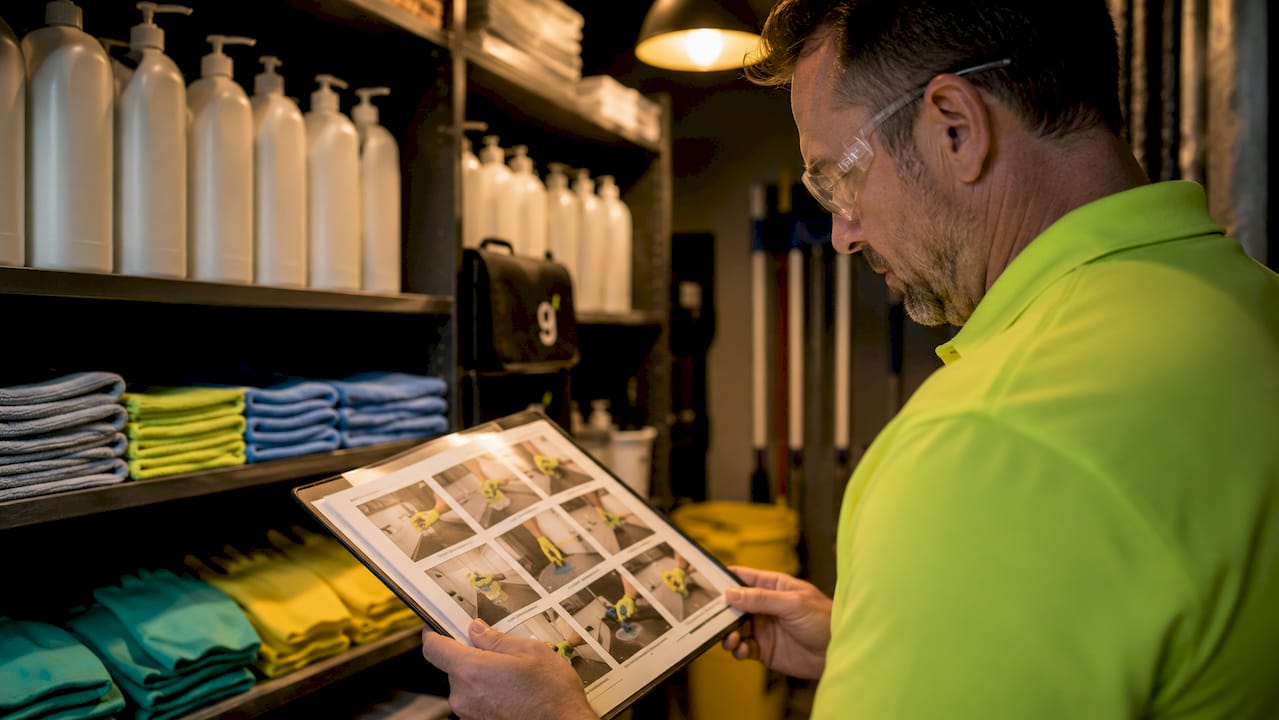
Training and clear instructions are the key to implementing green cleaning successfully, not product complexity. Simplifying the products used and standardising procedures reduce workload and increase compliance. A well-trained person using a basic certified cleaner will outperform an untrained person using a premium product every time.
This applies equally to households and professional settings. Reading the label, following dilution ratios, and allowing adequate dwell time are not optional steps. They are the difference between a product that works and one that disappoints.
Key takeaways
Most eco cleaning myths persist because consumers focus on labels rather than methods. Correct use, certified products, and lifecycle awareness are what make green cleaning genuinely effective.
| Point | Details |
|---|---|
| Correct use drives results | Performance failures in eco cleaning almost always trace back to misuse, not product weakness. |
| Certifications verify claims | EPA Safer Choice, Green Seal, and ECOLOGO provide independent verification of environmental and safety claims. |
| Biodegradable is not a guarantee | Check for ISO 11734 compliance; many plant-based surfactants fail anaerobic biodegradation tests. |
| Lifecycle matters more than labels | Packaging, water use, and transport emissions affect a product's true environmental footprint. |
| Training determines outcomes | Standardised procedures and clear instructions consistently outperform product switching alone. |
What I've actually learned from watching people clean "green"
The most common mistake I see is people treating eco cleaning as a belief system rather than a practice. They buy the right products, feel good about the label, and then use them incorrectly. Dwell time gets skipped. Dilution ratios get ignored. The product gets blamed.
The second mistake is chasing DIY hacks. The vinegar-and-baking-soda myth is genuinely difficult to kill. People see the fizz and assume something powerful is happening. Nothing is. The chemistry cancels itself out within seconds. Citric acid alone, used properly, does in minutes what the combination never achieves.
What actually works is boring: read the label, use the right concentration, give the product time to act, and choose certified products over trendy ones. The eco cleaning vs traditional methods debate largely disappears once you apply that discipline. Green products hold their own when used correctly.
The lifecycle piece is where I think most consumers are still behind. Buying a plant-based cleaner in single-use plastic, shipped from overseas, is not a sustainable choice regardless of what the front label says. Concentrates, refillable packaging, and locally sourced products are the variables that actually move the needle.
— Lead
Grimescene's approach to eco cleaning that actually works
Grimescene builds its services around non-toxic agents that neutralise buildup rather than masking it. That distinction matters when you are dealing with post-construction residue, rental property turnovers, or deep decontamination jobs where conventional chemistry would leave harmful residues behind.

The Rapid Response tactical clean delivers a thorough, eco-conscious result in two hours, without the chemical load that lingers on surfaces and in the air. For short-term rental hosts, Grimescene's Scene Reset protocol keeps properties guest-ready while protecting host ratings and the environment. When the product knowledge and the method are both right, eco cleaning delivers exactly what it promises.
FAQ
Are eco cleaning products as effective as conventional ones?
Yes, when used correctly. Performance issues in eco cleaning almost always result from operator error, not product deficiency. Following dilution ratios and dwell times closes the gap entirely.
Does mixing vinegar and baking soda clean effectively?
No. The combination produces a neutral salt and CO2, with almost no cleaning power. Use 3% citric acid for descaling or 1% sodium carbonate for grease instead.
What does "biodegradable" actually mean on a cleaning label?
It typically refers only to surfactants, not the full formula. Many plant-based surfactants fail ISO 11734 anaerobic biodegradation tests, meaning they can still accumulate in septic systems and waterways.
How do I know if an eco cleaning product is genuinely sustainable?
Look for certifications like EPA Safer Choice, Green Seal, or ECOLOGO. These programmes independently verify ingredient safety, biodegradability, and packaging claims beyond what a front label can tell you.
Are essential oils effective disinfectants?
No. Effective antimicrobial concentrations require 5–10% thymol with extended contact times. Consumer products rarely reach those concentrations, and essential oils pose risks to pets and people with sensitivities.