
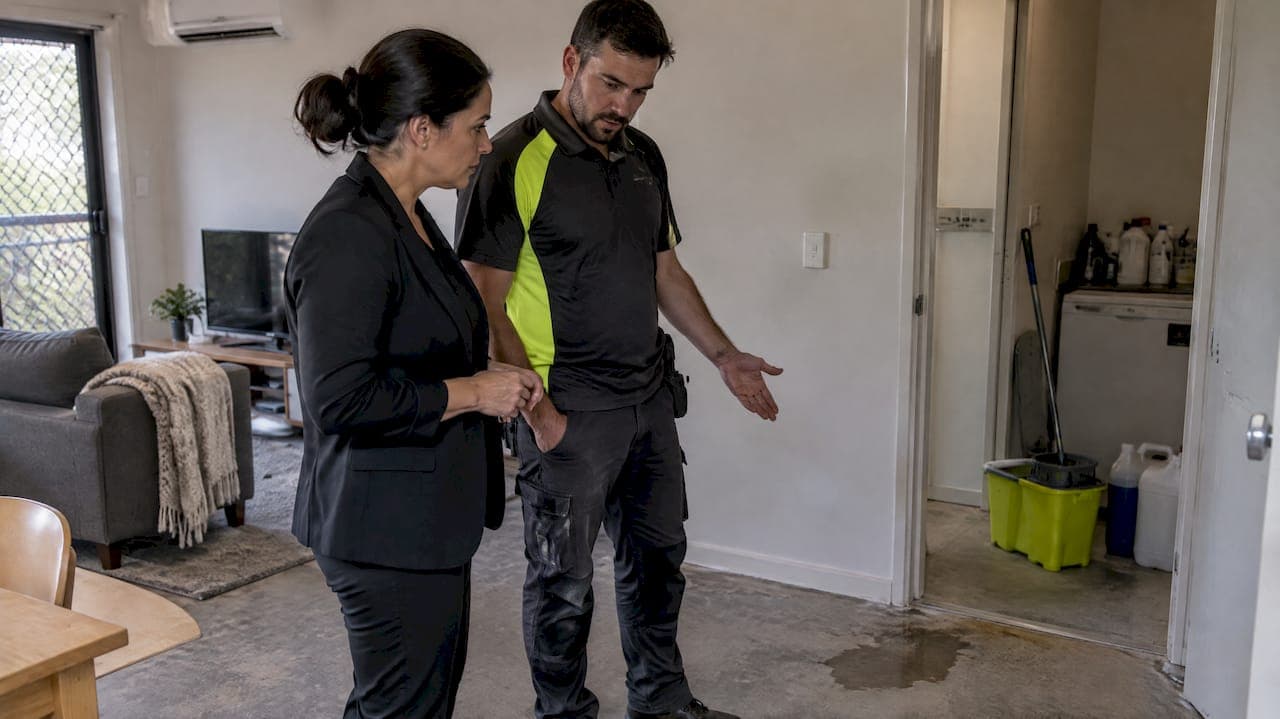
Most Australian emergency cleaning jobs land between a $26 to $79 call-out fee and $50 to $92 an hour once a technician is on site, with a typical one to three-bedroom incident totalling $130 to $370 depending on severity, as Sydney and Newcastle pricing data show. Rapid-response teams often mobilise within two to four hours. Anything beyond a minor spill, think flooding, sewage or biohazard material, needs an on-site assessment before anyone can give you a firm number.
TL;DR:
- Emergency cleaning call-out fees typically range from $26 to $79, with total costs for minor incidents mostly between $130 and $370 in Sydney.
- Rates vary by job severity, contamination type, location, and whether work is after-hours or involves specialized equipment or disposal.
- Larger or more contaminated jobs, such as sewage or biohazard cleanup, can push totals above $370, especially with added travel or licensing requirements.
- Confirm whether quotes include disposal, GST, and site-specific assessments, as these factors can significantly affect final costs.
- Lock down safety by shutting off water or power before calling, and always involve licensed professionals for structural or asbestos-related issues.
Table of Contents
- Emergency cleaning prices by job type and property size
- What affects emergency cleaning cost
- How an emergency clean runs from call to completion
- Who pays: tenants, landlords and insurance in practice
- Questions to ask before you book an emergency cleaner
- How Grime Scene Services meets emergency-cleaning needs
- How location changes the price
- When to call a cleaner versus an insurer or tradesperson first
- Book a rapid response when every hour matters
- FAQ
- Sources
Emergency cleaning prices by job type and property size
Call-out fees generally fall within a certain range, and most companies charge this on top of hourly labour rather than instead of it. It covers the technician's travel and the initial walk-through, and it applies whether the job turns out to be a ten-minute wipe-down or the start of a multi-day remediation.
Hourly rates vary by skill level and urgency. Budget cleaners charge around $33 to $40 an hour, typical general cleaning sits at $50 to $76, and premium or specialist work runs $76 to $92 an hour. Sydney prices sit at the top of that band, while Newcastle rates run roughly $33 to $76 an hour, a useful comparison for anyone pricing jobs outside a capital city.

Emergency and after-hours work carries a premium on top of standard rates. In Sydney, emergency jobs commonly land between $130 and $370 total, while Newcastle's equivalent range is about $110 to $305, according to the same Newcastle guide. That spread reflects both the after-hours loading and how much contamination or water damage is involved.
Rough totals by property type, based on these price guides:
- A one-bedroom unit with a contained spill or minor flood typically falls near the lower end of the emergency range.
- A two or three-bedroom home with water damage or biohazard material usually lands in the $185 to $370 bracket for Sydney jobs.
- Small commercial incidents, like a flooded office kitchenette or a single contaminated room, tend to price similarly to a two-bedroom residential job, scaled by square metreage.
Always confirm whether a quote includes GST and whether specialist waste disposal is billed separately. Price guides consistently flag this as a common source of invoice surprises.
What affects emergency cleaning cost
The biggest driver is what you're actually dealing with. Water damage from a burst pipe is a different job from sewage backflow or a biohazard scene, and pricing reflects that gap in risk and labour.
- Severity and contamination type: clean water extraction costs far less than sewage, mould or biohazard remediation.
- Access, travel and timing: after-hours call-outs, weekend work and long travel distances all add a premium.
- Specialist equipment and disposal: suction trucks, industrial dehumidifiers and licensed waste consignment all add line items.
- Asbestos or structural risk: older properties may need licensed asbestos handling before any cleaning starts, which adds both time and cost, under WorkSafe Queensland's guidance on controlling airborne fibres during emergency work.
- Required qualifications: biohazard and bloodborne pathogen jobs need trained staff with proper PPE, which affects labour cost.
Pro Tip: Ask upfront whether your quote separates mobilisation, remediation and disposal, since bundling these into one number makes it harder to spot where the cost is actually coming from.
How an emergency clean runs from call to completion
A typical job follows a predictable sequence, even though the time each stage takes depends on the scene.
- Triage call: you describe the incident, and the responder gives an estimated ETA and a provisional price range.
- On-site assessment: a technician inspects the scene, checks for hazards like asbestos or structural damage, and confirms scope.
- Remediation: extraction, decontamination or deep cleaning begins, following the scope agreed on site.
- Drying and verification: moisture readings or visual checks confirm the area is safe and dry.
- Documentation: before-and-after photos and an itemised report are provided, useful for insurance.
Before help arrives, it's usually safe to shut off water at the mains or isolate power to an affected circuit, as outlined in this guide to acting fast after a spill. Avoid touching sewage or anything that looks chemically contaminated. Phone quotes rarely hold up for complex jobs because scope only becomes clear on site, which is also why itemised reports matter so much for later claims.
Who pays: tenants, landlords and insurance in practice
Under NSW Fair Trading's guidance on urgent repairs, tenants must notify their agent or landlord immediately when something urgent happens. If the landlord doesn't act within a reasonable time, the tenant can arrange a qualified tradesperson themselves and seek reimbursement, provided the job costs less than $1,000, the damage wasn't caused by the tenant, and a receipt is kept. Rules differ slightly by state, so check your own state's tenancy body before paying out of pocket.
Insurers generally want the same evidence: dated photos, an itemised invoice and a clear description of cause. A bathroom staging and cleanliness checklist is a useful reference for documenting condition before and after an incident, even outside a rental context.
- Photograph the damage before any cleaning starts.
- Notify your landlord, agent or insurer the same day.
- Keep every receipt and the itemised report from the cleaning company.
- Ask the cleaner whether they liaise directly with loss adjusters.
Questions to ask before you book an emergency cleaner
A fast phone call can tell you most of what you need before a technician even arrives.
- Confirm the ETA and whether it's genuinely available now, not booked for tomorrow.
- Ask what's included in the quoted rate: call-out fee, labour, equipment and disposal.
- Check for licensing and training, particularly for biohazard work, where bloodborne pathogen handling requires specific PPE and protocol.
- Request before-and-after photo documentation as part of the standard service, not an add-on.
- Get the quote in writing once the on-site assessment is done, and share it with your insurer or landlord before work proceeds.
A quote that's dramatically lower than the ranges above is worth questioning. It usually means disposal, travel or after-hours loading has been left out and will appear later as an extra.
How Grime Scene Services meets emergency-cleaning needs
Emergency cleaning companies run rapid response and deep decontamination services for various incidents, including rental turnovers and end-of-lease situations.
Every job uses non-toxic, bleach-free agents, an approach detailed in this guide to non-toxic hazardous waste cleaning, so the space is safe for families and pets as soon as the work is done. Jobs often come with before-and-after photo records and documentation suited to insurance claims, providing clients a clear paper trail.
How location changes the price
Capital cities carry the highest hourly rates, largely because labour and overheads cost more. Sydney's price guide puts general hourly rates at $40 to $92, with emergency jobs running $130 to $370. Regional centres tend to sit lower: Newcastle's data shows hourly rates from $33 to $76 and emergency totals of $110 to $305, a meaningful gap for anyone comparing quotes across different parts of the state.

Rural and remote areas introduce a different cost driver: travel. A technician covering a long distance from the nearest metro centre may add a travel surcharge on top of the standard call-out fee, even where hourly rates themselves are lower than city pricing. Large commercial jobs, like a flooded warehouse or an industrial spill, sometimes need specialist subcontractors for liquid waste removal. Businesses in Melbourne dealing with that scale of liquid waste can turn to a dedicated disposal partner like Pressure Works' liquid waste removal service rather than relying on a general cleaning crew alone.
For large-scale outdoor or environmental incidents, such as a dust storm affecting solar infrastructure. Specialist asset cleaners like Bright View's dust storm response service operate on a different pricing model again, reflecting the scale and equipment involved rather than standard residential rates.
The practical takeaway is to compare quotes against the pricing band for your region, not a national average, since a Sydney quote and a regional quote can look very different for the same scope of work.
When to call a cleaner versus an insurer or tradesperson first
Safety comes first: shut off water or power if you can do so safely, then call an emergency cleaner for anything spreading or contaminated. A licensed tradesperson should handle structural damage like burst pipes, and your insurer should be notified early for any claimable loss. Never disturb suspected asbestos yourself; follow WorkSafe's guidance and leave it to licensed specialists.
— Lead
Book a rapid response when every hour matters
Some emergency cleaning services offer rapid response tactical cleans using non-toxic agents that leave a property safe immediately after job completion.

- A 2-hour tactical response for urgent jobs.
- Bleach-free, non-toxic cleaning agents throughout.
- Before-and-after documentation ready for your insurer or landlord.
Book the Rapid Response (2-Hour Tactical Clean) directly, or browse the full service range if your situation needs deeper decontamination.
FAQ
How much is a cleaner for 2 hours?
A standard two-hour clean typically costs based on general hourly rates of $50 to $92, before any call-out fee or emergency premium is added. Emergency or after-hours work will push that total higher, closer to the $130 to $370 range seen in Sydney's pricing data.
How much do cleaners charge per hour in Australia?
Hourly rates generally range from $33 to $40 for budget cleaners, $50 to $76 for typical general cleaning, and $76 to $92 for premium or specialist work, according to Sydney and Newcastle price guides. Rates in regional centres tend to sit at the lower end of that range.
What is the 20 minute rule in cleaning?
Definitions of a "20 minute rule" vary and there's no single official standard behind it in Australian cleaning guidance. It's generally used informally to describe clearing visible clutter or surface mess quickly, rather than a benchmark used in professional emergency cleaning pricing.
What will a cleaner do in 3 hours?
In three hours, a cleaner can typically complete a thorough clean of a small to mid-sized home, or handle a contained emergency incident like a minor flood or spill with extraction and surface sanitisation. Larger or more contaminated jobs usually need an on-site assessment to confirm whether three hours is realistic for the scope involved.
Who pays for emergency cleaning in a rental property?
Under NSW Fair Trading's urgent repairs guidance, landlords are generally responsible for urgent repairs, but tenants can arrange a qualified tradesperson and claim reimbursement if the landlord doesn't act promptly, the job costs under $1,000, and the damage wasn't tenant-caused. Rules vary slightly by state, so check your local tenancy authority for the exact thresholds.
Sources
- Property repairs and maintenance (NSW Fair Trading)
- Asbestos and demolition (WorkSafe Queensland)
- House cleaning cost Sydney 2026