
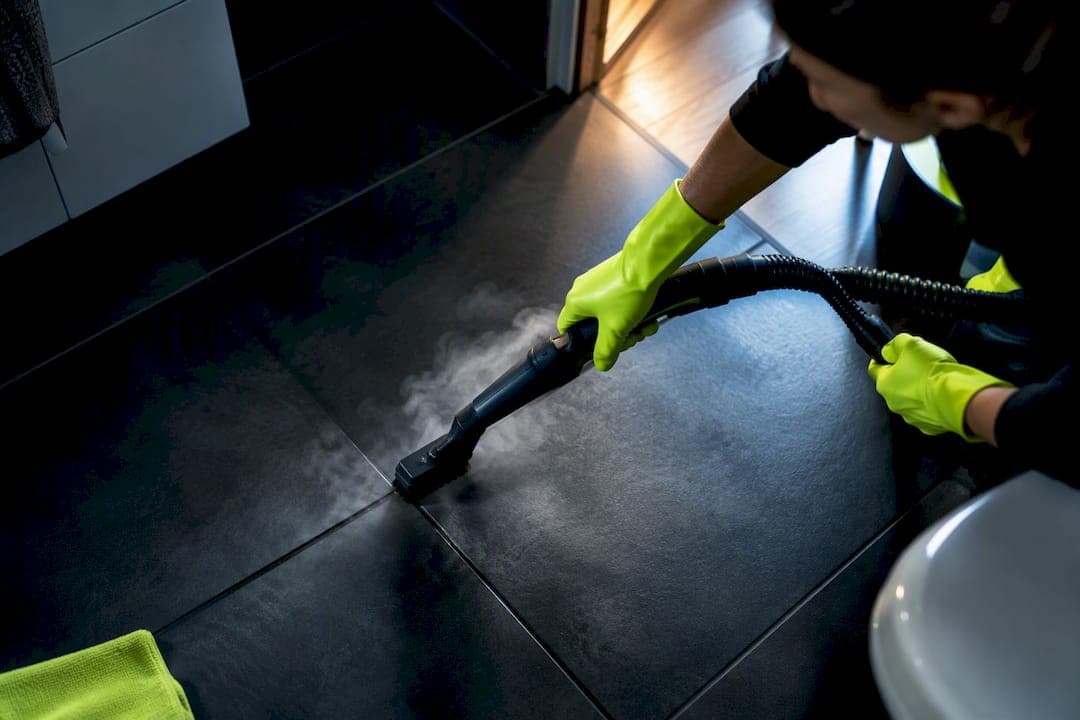
Green deep cleaning uses plant-based surfactants, bioenzymatic formulas, and low-moisture techniques to strip out embedded grime, odours, and microbial buildup without the chemical residue a bleach-heavy deep clean leaves behind. It's the right call after renovations, before a tenant moves in, when pet odours have settled into carpet, or when a rental turnover needs to look spotless without the fumes lingering for guests. Standard cleaning tidies the surface; a green deep clean gets underneath it.
TL;DR:
- Genuine green deep cleaning relies on low-moisture extraction, bioenzymatic products, and plant-based surfactants to target hidden soil, mold, and biofilm without harsh chemicals.
- Proper technique involves sequencing tasks from kitchens to floors, ensuring adequate ventilation, and following precise dilution ratios to prevent surface damage and mold growth.
- Ask cleaning providers for specific product details, safety data sheets, and process protocols to verify their adherence to eco-friendly standards.
- Costs vary mainly with property size, condition, and scope, but green methods can reduce long-term expenses by extending intervals between deep cleans.
- Common mistakes include using acids on natural stone, mis-diluting enzyme cleaners, and neglecting ventilation, which can cause surface damage or mold.
Table of Contents
- What is green deep cleaning, and how is it different from a regular clean?
- Which cleaning methods count as genuinely green?
- What should a room-by-room eco deep clean actually cover?
- What should you ask a green deep-cleaning company before booking?
- How much does a green deep clean cost, and how long does it take?
- What green-cleaning mistakes do most people make?
- Does green deep cleaning actually reduce environmental impact?
- How do you keep a green deep clean looking fresh for longer?
- Which green cleaning products are worth having on hand?
- Can you do a green deep clean yourself?
- A tradesperson's view: what "eco" should actually mean on a job
- Ready for a professional eco deep clean?
- Sources
- FAQ
What is green deep cleaning, and how is it different from a regular clean?
Regular cleaning wipes away what you can see. Green deep cleaning goes after what's hiding: soil packed into carpet fibres, biofilm in grout lines, grease that's baked onto range hoods over months, and the microbial residue that builds up in bathrooms and kitchens regardless of how often you mop.
The "green" part refers to method, not just marketing. Genuine eco-friendly deep cleaning swaps chlorine bleach and ammonia-based degreasers for plant-derived surfactants, enzyme systems, and controlled steam, cutting both the volume of harsh chemical runoff and the water used per job compared with a lot of conventional deep-clean approaches. It also means fewer volatile organic compounds off-gassing into your air after the crew leaves.
Household eco cleaning often leans on staples like baking soda and vinegar, and they have their place for light jobs. But professional green cleaning generally relies on formulated products engineered for consistent results at scale, not pantry substitutes stretched past their limits.
On labels and quotes, a few signals separate genuine green practice from a repainted chemical drum:
- Products listing active ingredients and concentration, not just "eco" or "natural" on the front
- A safety data sheet (SDS) available on request
- Clear dilution ratios rather than vague "ready to use" claims
- No warning symbols for corrosive, flammable, or acutely toxic hazards
Which cleaning methods count as genuinely green?
Four methods do most of the heavy lifting in a professional eco deep clean, and each solves a different problem.
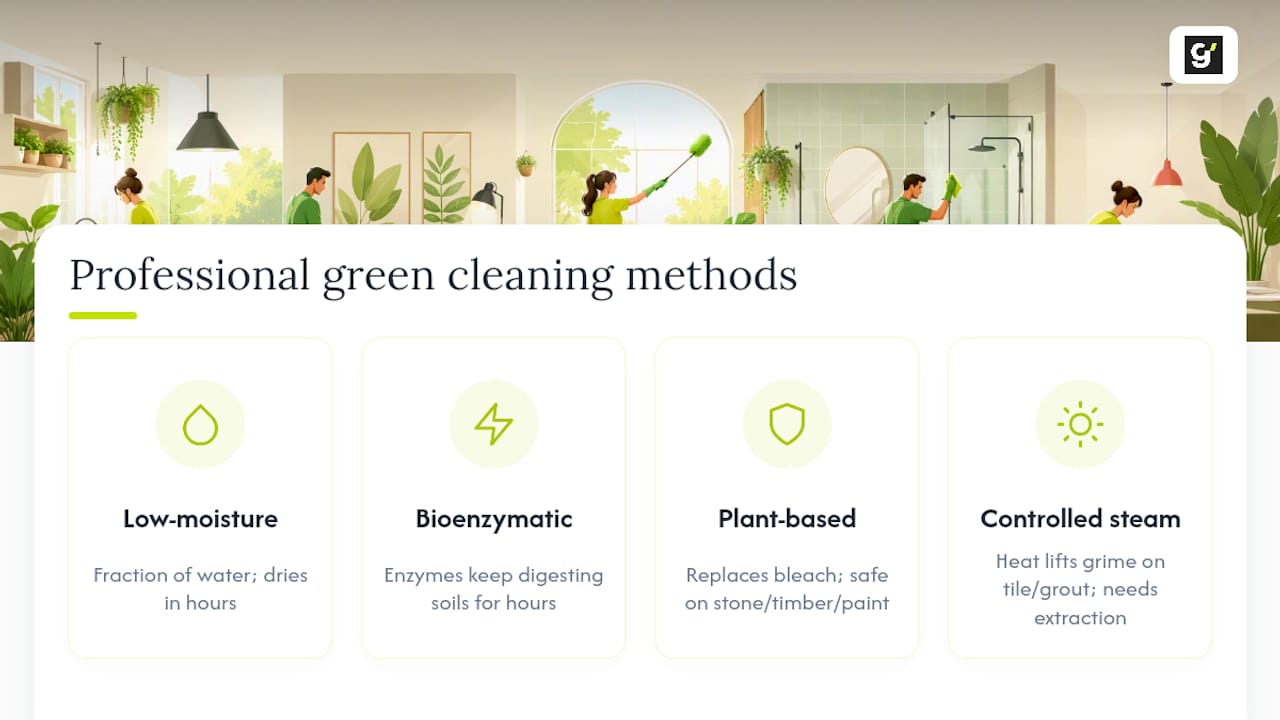
Low-moisture extraction pulls soil out of carpet and upholstery using a fraction of the water a traditional steam-clean rig uses. Less water means faster drying, and faster drying is the single biggest lever against mould growth in carpet backing. A job that might take 24 hours to dry with saturation cleaning can be walkable within a few hours using low-moisture methods.
Bioenzymatic and probiotic cleaners use live enzyme strains that keep digesting organic matter, grease, protein, urine, food residue, after the initial application. Products such as Castle Chemicals' Green-Pro Deepclean are built around this residual action, and similar probiotic multi-surface formulas can keep breaking down soils for hours after you've moved on to the next room. That's the opposite of bleach, which acts fast then stops working entirely.
Plant-based surfactants and hydrogen peroxide replace bleach and ammonia for most jobs. They lift soil and kill a broad range of pathogens without the corrosive fumes, and they're the appropriate choice on stone, timber, and painted surfaces where harsh acids or chlorine would etch or discolour the finish.
Controlled steam earns its place on tile, grout, and sealed hard floors, where heat alone lifts grime without chemical assistance at all. The catch is technique: steam applied without proper extraction leaves moisture sitting in grout lines, which is exactly the kind of damp pocket mould needs.
What should a room-by-room eco deep clean actually cover?
A proper deep clean follows a sequence, not a random sweep from room to room. Doing floors before surfaces means redoing the floors. Here's the order that avoids double handling:
- Kitchen first. Degrease range hoods, splashbacks, and the tops of cabinets with an enzyme cleaner, then pull out fridges and ovens to clean underneath and behind. Skip abrasive oven cleaners on self-cleaning ovens; a plant-based degreaser and some patience does the job without stripping the enamel coating.
- Bathroom second. Grout and tile need a pH-neutral cleaner, never the straight vinegar or lemon juice a lot of DIY guides suggest, because acid etches natural stone and can dull sealed grout over time.
- Living areas third. Spot-treat carpet stains, steam or low-moisture clean upholstery, and use VOC-free options on mattresses since they sit against skin for eight hours a night.
- Floors last. No-rinse enzyme products need the dilution ratio the manufacturer specifies, not eyeballed, and a quick dry-time check before anyone walks through in socks.
- Ventilate throughout. Open windows or run extraction fans as you go rather than waiting until the end, since drying time is what actually determines whether a job stays clean or starts smelling musty within a week.
Commonly missed spots worth adding to any checklist: air vents, drain traps, cabinet interiors, and the gap behind the toilet.
Pro Tip: Do a five-minute smell test in each room the next morning. If a space still smells "wet" or musty a day later, ventilation during the clean wasn't enough, and that room needs another pass with a fan running.
What should you ask a green deep-cleaning company before booking?
The word "eco" on an invoice means nothing without proof behind it. Before you book, ask for specifics:
- What products are they using, by name, and can they show you the SDS?
- What dilution ratios do they follow, and do they measure or eyeball it?
- How long does the job need to dry, and how do they manage ventilation during and after?
- What happens to waste water, particularly on jobs involving degreasers or biohazard work?
Red flags are easy to spot once you know what to look for. A provider that answers "it's all natural" without naming a single product, refuses to produce a datasheet, or gives you a different process explanation every time you ask, hasn't standardised anything. Genuine eco operators can show you a written service protocol, current insurance, and product labelling that matches safer-use principles set out by environmental regulators. If they can't produce any of that on request, keep looking.
How much does a green deep clean cost, and how long does it take?
Price comes down to four things: floor area, how neglected the space is, whether bio-hazard or post-construction remediation is involved, and how often you book. A one-bedroom unit with routine upkeep costs a fraction of a five-bedroom house that hasn't had a deep clean in three years.
Time-wise, expect a few hours per bathroom, several hours for a kitchen with heavy grease, and a full day for a whole-house job on a moderately sized home. Post-construction or bio-hazard jobs run longer because of the extra ventilation and drying steps.
How long the results last depends less on the clean itself and more on what happens afterwards. A sustainable maintenance routine between deep cleans, wiping spills fast, running exhaust fans, vacuuming weekly, stretches the interval between professional visits from months to closer to a year in lower-traffic homes.
What green-cleaning mistakes do most people make?
The most expensive mistake is using an acidic DIY mix, straight vinegar or lemon juice, on natural stone benchtops or tiles. Acid etches marble and limestone permanently, and no amount of eco branding on the bottle changes that chemistry.
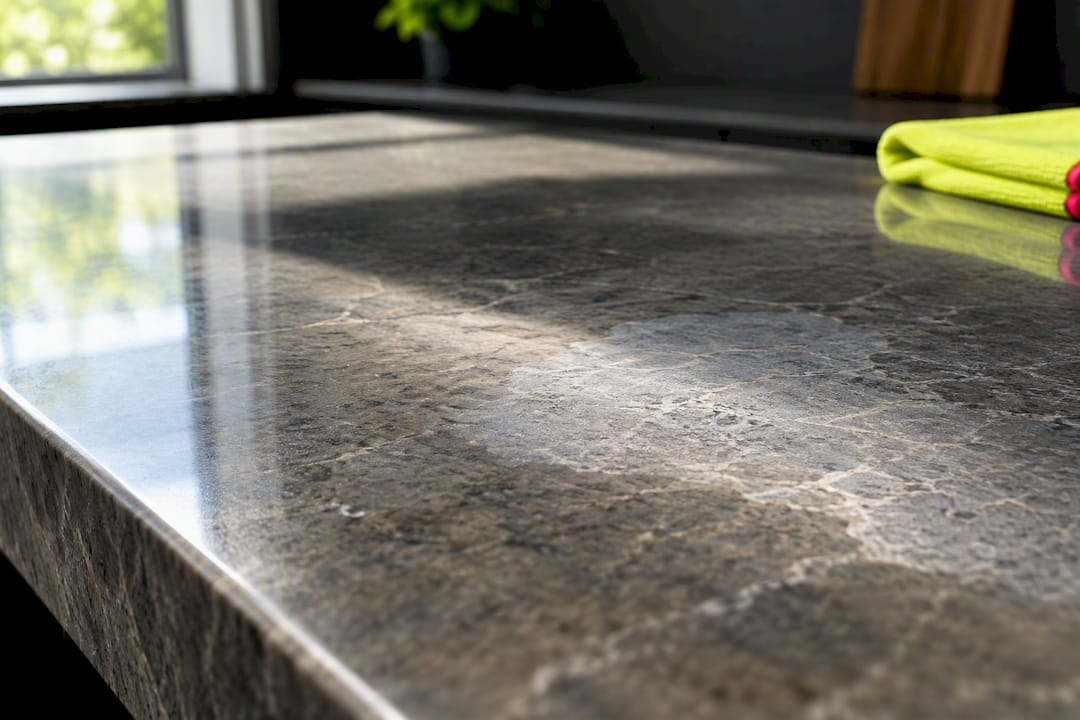
Mis-diluting concentrated eco cleaners is the second big one. Enzyme products need their SDS dilution ratio followed exactly; too strong wastes product and can leave residue, too weak means the enzymes never get the concentration they need to work.
The third mistake is assuming "natural" equals "safe for everything." Essential oils, citrus concentrates, and even undiluted castile soap can still irritate skin, trigger asthma, or damage certain finishes.
- Skipping ventilation and rushing the drying step, which invites mould into carpet backing and grout
- Trusting a product because the label says "green" with no ingredient list behind it
- Using the same all-purpose cleaner on stone, timber, and tile without checking compatibility
Pro Tip: Keep a small tile or offcut from your benchtop stone if you have one. Test any new product on it first, not on the actual benchtop.
Does green deep cleaning actually reduce environmental impact?
The gap between green and conventional deep cleaning shows up most clearly in what goes down the drain and into the air. Conventional deep-clean chemicals, chlorine bleach, ammonia-based degreasers, and petroleum solvents, break down slowly in waterways and release VOCs that keep off-gassing for days after application. Green formulations built around plant-derived surfactants and enzyme systems biodegrade faster and carry a lower toxicity load into wastewater.
Water use is the other big divide. Traditional carpet steam-cleaning saturates fibres and can take a full day to dry, during which the excess moisture either evaporates, taking energy with it if you're running fans or dehumidifiers, or sits in the carpet backing, feeding mould. Low-moisture extraction methods use a fraction of that water and cut drying time to a few hours, which lowers both the water footprint and the energy spent drying the space out.
Packaging is worth a second look too. A lot of the shift toward eco-friendly cleaning services isn't just about what's in the bottle, it's concentrate systems that ship less water and more active ingredient, meaning fewer bottles, less freight weight, and less plastic per job compared with ready-to-use conventional products.
None of this means every green product automatically wins on every metric. A poorly diluted eco cleaner used in excess can still waste water and product. The advantage only holds when the method is applied correctly, at the right concentration, with proper ventilation, which is exactly why the questions you ask a provider matter as much as the products they carry.
How do you keep a green deep clean looking fresh for longer?
The clean itself is only half the equation. What happens in the weeks after determines whether you're calling for another deep clean in three months or twelve.
Start with entry points. Doormats at every external door catch grit before it grinds into carpet fibres, and a "shoes off inside" habit does more for carpet longevity than any product on the market.
Wipe spills the moment they happen rather than letting them dry. A fresh spill on grout or stone comes up with a damp cloth; a week-old stain needs re-treatment with the same enzyme products used in the original deep clean.
Run exhaust fans in bathrooms and kitchens every time you shower or cook, not just when steam is visible. Trapped humidity is what breaks down a grout seal and invites mould back into spaces that were spotless a month earlier.
Between full deep cleans, a lighter weekly pass, vacuuming high-traffic carpet, wiping benchtops with a pH-neutral spray, cleaning shower glass, stretches the interval before you need the heavier enzyme and low-moisture treatments again. Rental hosts and property managers get the most out of pairing this with a set turnover routine rather than reacting only when a guest complains.
Finally, keep using compatible products. Switching between a harsh conventional cleaner one week and an enzyme-based one the next confuses the microbial action bioenzymatic cleaners rely on, since some conventional disinfectants can kill the beneficial bacteria that make probiotic formulas work.
Which green cleaning products are worth having on hand?
You don't need a cupboard full of speciality bottles to run an effective eco cleaning routine, but a handful of formulation types cover almost every deep-clean task a household or short-term rental faces.
Bioenzymatic hard-floor cleaners, the category Green-Pro Deepclean sits in, work as no-rinse solutions for tile and sealed timber, with enzymes that keep breaking down organic soil after the floor has dried. These are worth the investment for kitchens and high-traffic hallways where grease and food residue build up fastest.
Probiotic multi-surface sprays, similar in concept to Seventh Generation's probiotic range, handle benchtops, cabinet fronts, and bathroom surfaces where ongoing bacterial action helps prevent regrowth of odour-causing microbes between cleans.
For grout and natural stone, a pH-neutral stone cleaner avoids the acid damage that vinegar and lemon-based DIY mixes cause on marble, limestone, and travertine.
Plant-based degreasers cover range hoods, oven exteriors, and splashbacks, standing in for ammonia-based products without the fumes.
If you're building out a home cleaning kit from scratch, a starter guide to eco supplies is a practical place to check what's genuinely useful versus what's just repackaged marketing. Whatever you buy, check the label matches the safer-use principles regulators recommend, an ingredient list, a dilution ratio, no hazard warning symbols, rather than trusting the word "eco" printed across the front.
Can you do a green deep clean yourself?
Most of what a professional crew does, a motivated homeowner can replicate for lighter jobs, with the right products and a bit of patience.
Start with degreasing. An enzyme-based kitchen cleaner left to sit for the manufacturer's recommended time, usually several minutes, not seconds, before wiping, will lift baked-on grease that a quick spray-and-wipe never touches. Pulling out the fridge and stove to clean behind them once a quarter catches the buildup that causes most kitchen odours.
For carpet and upholstery, a rented low-moisture extraction machine gets you most of the way to professional results, provided you follow the dilution ratio on the cleaning solution exactly rather than adding extra "for good measure." Over-wetting is the single biggest DIY mistake, and it's what turns a clean carpet into a mouldy one three days later.
Bathroom grout responds well to a paste of bicarb soda and water scrubbed in with a stiff brush, followed by a pH-neutral spray, never straight vinegar on natural stone tiles. For painted walls and timber interior doors, a soft cloth with diluted plant-based cleaner avoids the streaking and finish damage that stronger degreasers cause.
Where DIY genuinely hits a ceiling is post-construction dust, bio-hazard situations, or deep mould remediation, jobs that need commercial-grade extraction equipment and controlled ventilation most households don't have access to. For a full breakdown of what a whole-house version of this looks like, the Scene Reset guide walks through the sequence professionals actually follow.
A tradesperson's view: what "eco" should actually mean on a job
Most of the industry treats "green cleaning" as a marketing layer bolted onto the same chemicals everyone's always used. That's the gap worth naming plainly: a product swap doesn't make a deep clean eco-friendly if the technique underneath, over-wetting carpet, skipping ventilation, ignoring dilution ratios, stays exactly the same as before.
A professional eco-cleaning protocol should include enzyme and plant-based products matched to the surface, low-moisture extraction where saturation would cause problems, and ventilation built into the schedule rather than treated as an afterthought. Specific protocols for rental turnovers aim to protect host ratings without leaving chemical odour behind for the next guest checking in within hours.
What's missing from a lot of green-cleaning conversations is any acknowledgement that technique failures cause more damage than chemical choice ever does. A pH-neutral product used badly still etches stone if it's the wrong product entirely; an enzyme cleaner mis-diluted still underperforms no matter how sustainable its ingredient list looks on paper. The products are the easy part. Getting the sequencing, dilution, and drying time right on every single job is where the real difference between an eco label and an actual eco outcome sits.
— Lead
Ready for a professional eco deep clean?
If your place needs more than a weekend of scrubbing, whether that's post-construction dust, a heavy grease buildup in the kitchen, or a rental that's due for a proper reset between guests, the Deep Decontamination Full Sweep service covers the full sequence this guide has walked through: enzyme and plant-based products matched to each surface, low-moisture extraction on carpet and upholstery, and ventilation managed throughout so nothing sits damp longer than it should.
Short-term rental hosts juggling back-to-back bookings have their own pressures, chemical odour, guest reviews, turnaround time, and the Short Term Rental Tactical Units service is built specifically around that Scene Reset turnover standard. Either way, the process starts the same: get in touch, describe the space and what's brought you to a deep clean, and you'll get a scope of work and price before anything's booked. Head to the Full Sweep booking page to get that conversation started.
Sources
- Epa
- What Is Green Cleaning?
- GreenPro Deepclean - Castle Chemicals
- Eco-Conscious Deep Cleaning Checklist | ECOS
FAQ
Is green cleaning more expensive than conventional cleaning?
Not necessarily. Professional eco products cost roughly the same as their conventional equivalents, and the bigger price driver is property size and condition, not the type of chemical used. Where green methods can save money is longer term, since low-moisture techniques often mean less product waste and fewer callbacks for regrowth issues.
How long does a green deep clean last?
That depends entirely on foot traffic, ventilation habits, and maintenance between visits, but a well-maintained home can often stretch six to twelve months between deep cleans. Wiping spills promptly, running exhaust fans, and vacuuming weekly all extend that window.
What are the most common green cleaning mistakes?
The biggest ones are using acidic DIY mixes like vinegar on natural stone, mis-diluting concentrated enzyme products, and skipping ventilation during drying. Each of these either damages surfaces or invites mould, undoing the benefit of choosing safer products in the first place.
What is considered green cleaning?
Green cleaning uses plant-based surfactants, bioenzymatic formulas, and low-water techniques instead of chlorine bleach, ammonia, and heavy solvents. It's judged by the method and product formulation, not by a single ingredient or a claim printed on a label. Providers like Grimescene apply this through documented protocols such as Scene Reset rather than relying on marketing language alone.