
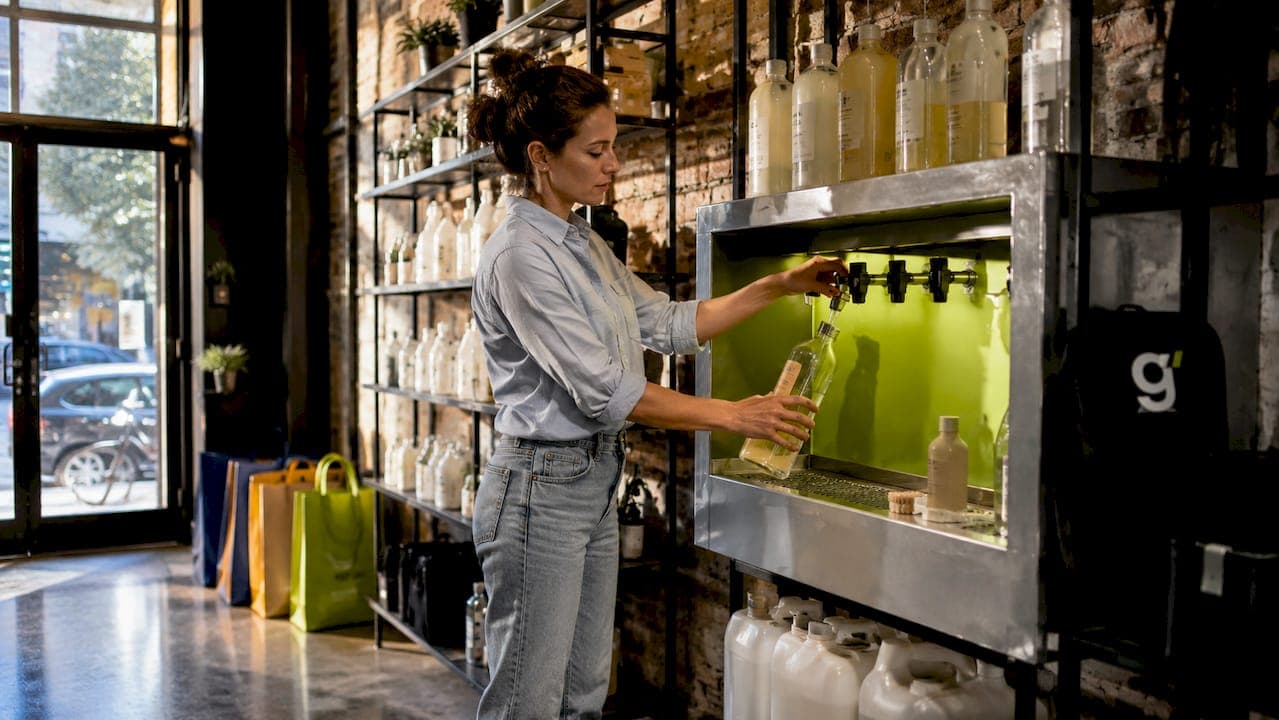
Sustainable cleaning practices for small businesses are defined as the consistent use of non-toxic products, reusable tools, and waste-reducing systems to maintain clean, healthy commercial spaces without harming the environment. These practices go beyond swapping one product for another. They require a coordinated approach to procurement, daily habits, and staff behaviour. Businesses that commit to eco-friendly cleaning methods gain measurable benefits: lower consumable costs, healthier workplaces, and a stronger brand reputation. Certifications like EPA Safer Choice and Green Seal exist precisely to separate genuine green products from vague marketing claims.
What tools and certifications do sustainable cleaning practices small business owners actually need?
The right tools make or break a green cleaning programme. Without them, even the best intentions produce inconsistent results and unnecessary waste.
Essential tools and supplies
- Microfibre cloths: Reusable microfibre cloths clean effectively with water alone and reduce reliance on chemical sprays. Colour-code them by zone (kitchen, bathroom, surfaces) to prevent cross-contamination.
- Refillable spray bottles: Concentrated products diluted into refillable bottles cut plastic waste and lower per-use costs significantly.
- Concentrated cleaning solutions: These reduce packaging volume and transport emissions. One litre of concentrate can replace dozens of single-use bottles.
- Biodegradable bin liners and compostable wipes: These reduce landfill contribution from daily cleaning waste.
Why certifications matter
Verified sustainable cleaning products should carry certifications like EPA Safer Choice or Green Seal. These certifications mandate safer ingredients for both human health and the environment, going well beyond vague labels like "natural" or "plant-based." A product labelled "eco" without third-party certification is a marketing claim, not a standard.
| Product type | Certification to look for | Key benefit |
|---|---|---|
| All-purpose spray | EPA Safer Choice | Verified safer ingredients |
| Floor cleaner | Green Seal GS-37 | Low VOC, biodegradable formula |
| Microfibre cloths | OEKO-TEX Standard 100 | No harmful dyes or finishes |
| Bin liners | Australasian Bioplastics Association | Certified compostable |
Pro Tip: Buy concentrates in bulk and pre-dilute into labelled refillable bottles at the start of each week. This cuts costs, reduces packaging, and removes guesswork for staff.
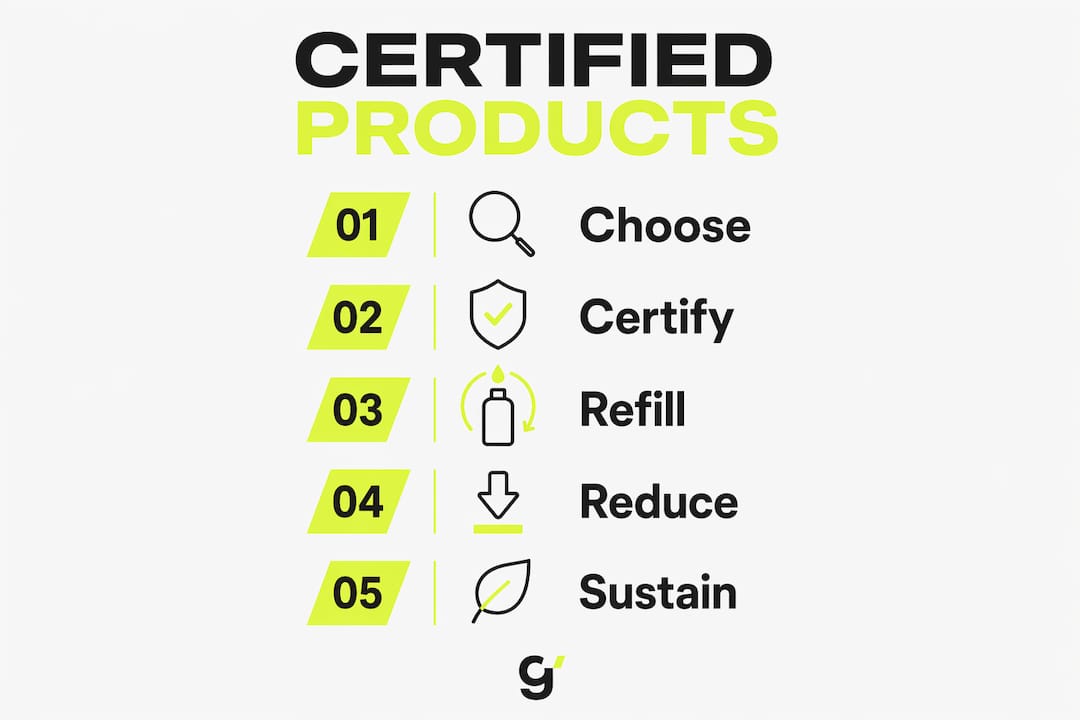
How can small businesses embed green cleaning into daily operations?
True sustainability emerges from coordinated systems rather than one-time product swaps. The businesses that succeed treat cleaning like any other operational process: scheduled, documented, and reviewed regularly.
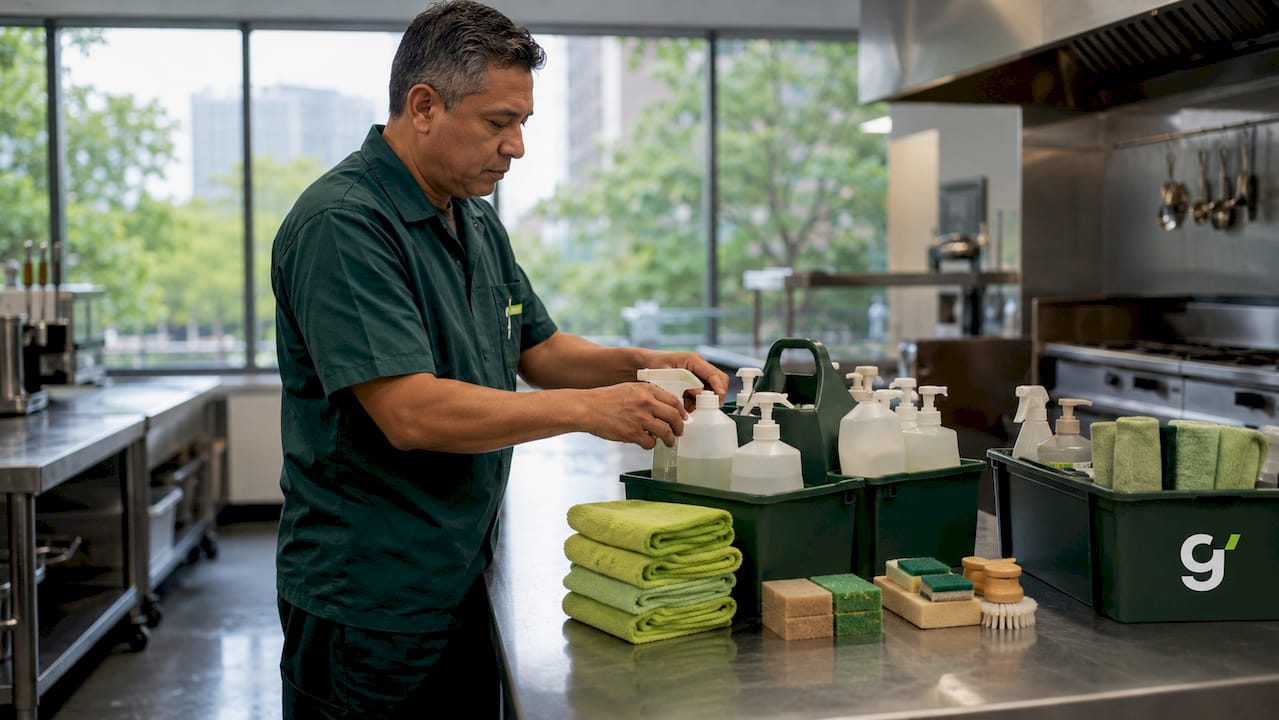
A cleaning rhythm built around daily, weekly, and monthly tasks gives your team a clear structure to follow. Without that structure, staff default to whatever is convenient, which usually means grabbing the nearest product and using too much of it.
A practical cleaning rhythm for small businesses
- Daily resets: Wipe down high-touch surfaces with microfibre cloths and a diluted certified cleaner. Check refillable bottle levels and top up as needed. Empty bins before they overflow to avoid spills and odours.
- Weekly deep cleans: Launder microfibre cloths in cold water to save energy and extend their lifespan. Restock concentrated products from your central supply point. Clean floors with a low-VOC floor cleaner suited to your surface type.
- Monthly audits: Review product consumption against the previous month. Identify where overuse is occurring. Check that all bottles are correctly labelled and that no expired or uncertified products have crept into the supply.
- Quarterly staff refreshers: Run a 15-minute briefing on correct dilution ratios, cloth colour-coding, and waste sorting. Short, regular training beats a single annual session every time.
Setting up a refill station
Visible, central refill stations with clear labels encourage correct use and reduce accidental overuse. Place your station in a consistent, accessible spot, not tucked away in a back cupboard. Label every bottle with the product name, dilution ratio, and the surfaces it is safe for. This removes ambiguity and prevents staff from over-applying product out of uncertainty.
Pro Tip: Assign one team member as the "green cleaning lead" each month. Rotating this role builds shared ownership and keeps the programme visible without adding permanent workload to one person.
What are the best eco-friendly cleaning methods to reduce waste and chemical use?
The most effective low waste cleaning strategies combine reusable textiles, cold-water laundering, and targeted product application. The goal is to clean what needs cleaning, using only what is required, and generating as little waste as possible in the process.
Cold-water laundering of microfibre cloths saves energy and extends cloth lifespan. Hot water breaks down microfibre faster and consumes more electricity. Washing at 30°C or below keeps cloths functional for hundreds of cycles.
Daily practices to reduce water, chemical, and packaging waste
- Spray product directly onto the cloth, not onto the surface. This uses less product and prevents runoff onto floors or into drains.
- Use a two-bucket mopping system: one bucket for clean solution, one for rinsing. This prevents dirty water from recontaminating clean floors and reduces how often you need to change the solution.
- Switch to waterless or low-water cleaning methods for glass and mirrors. A dry microfibre cloth removes fingerprints and smudges without any product at all.
- Avoid single-use paper towels wherever possible. A set of colour-coded microfibre cloths handles every surface type and costs less over a 12-month period.
- Store concentrates in a cool, dark location to extend shelf life and prevent premature degradation.
Understanding commercial-grade eco cleaning standards helps small business owners choose products that perform under real workloads, not just in ideal conditions. A product that works in a domestic kitchen may not hold up in a commercial kitchen or a high-traffic retail space.
How do you troubleshoot common pitfalls in small business eco cleaning?
The three most common barriers to sustainable cleaning in small businesses are staff non-compliance, greenwashing confusion, and doubts about product effectiveness. Each has a practical fix.
Sustainability must be embedded into culture through coordinated procurement, storage, and usage habits. A policy document alone does not change behaviour. Visible systems, regular reinforcement, and clear accountability do.
| Common challenge | Root cause | Practical fix |
|---|---|---|
| Staff reverting to old products | Convenience and habit | Place certified products front and centre; remove non-certified alternatives |
| Greenwashing confusion | Vague product labelling | Only purchase products with EPA Safer Choice or Green Seal certification |
| Doubts about cleaning effectiveness | Unfamiliarity with new products | Run a side-by-side test on a specific surface and document the result |
| Overuse of product | No clear dilution guidance | Label every bottle with dilution ratio and application method |
| Inconsistent routines | No ownership or schedule | Assign a monthly green cleaning lead and post the schedule visibly |
Specialised eco-friendly cleaning services can command 10–25% higher pricing while reducing overhead costs through concentrated products. This matters for small business owners because it proves the model is financially viable. Green cleaning is not a cost centre. Done properly, it reduces consumable spend and supports a premium positioning.
Pro Tip: Track your product consumption monthly using a simple spreadsheet. Comparing month-on-month data reveals overuse patterns before they become expensive habits.
Key takeaways
Sustainable cleaning for small businesses works when it is built into daily systems, not treated as a one-off product change.
| Point | Details |
|---|---|
| Start with certified products | Only use products carrying EPA Safer Choice or Green Seal certification to avoid greenwashing. |
| Build a cleaning rhythm | Daily, weekly, and monthly schedules prevent overuse and keep the programme consistent. |
| Use refillable systems | Central refill stations with clear labels reduce waste and guide correct product use. |
| Launder cloths in cold water | Cold-water washing extends microfibre cloth lifespan and cuts energy use. |
| Assign ownership | A rotating green cleaning lead keeps the programme visible and shared across the team. |
Why sustainable cleaning is a culture shift, not a product swap
The businesses I see struggle most with green cleaning are the ones that treat it as a procurement decision. They swap the spray bottle, tick the box, and wonder why nothing changes six months later. The product is the easy part. The hard part is the habit.
What actually works is making the sustainable option the path of least resistance. When the certified cleaner is at eye level and the old bleach-based product is not in the cupboard at all, staff do not have to make a choice. The choice is already made for them. That is not manipulation. That is good system design.
The other thing I have noticed is that green cleaning improves workplace health in ways that show up quickly. Staff in spaces cleaned with low-VOC products report fewer headaches and respiratory irritations. That is not a minor benefit. It reduces sick days and improves morale, and it is something you can point to when explaining the change to your team.
Start with one area of your business. Get the system right there before rolling it out everywhere. A café that nails its kitchen cleaning routine first will have a much easier time extending the programme to the dining area than one that tries to change everything at once. Small wins build the confidence and the culture that makes the whole thing stick.
— Lead
Grimescene's eco cleaning services for short-term rentals
Small business owners managing short-term rental properties face a specific challenge: high-turnover cleans that must be fast, thorough, and genuinely non-toxic for the next guest.
Grimescene's short-term rental cleaning services are built around the Scene Reset protocol, which uses non-toxic agents to neutralise buildup rather than mask it. Every clean avoids harsh chemicals, making the space safe for guests, pets, and the environment. For hosts who need consistent results and strong ratings, Grimescene delivers a verified eco-friendly clean that holds up to scrutiny. If you are looking for a professional service that aligns with your sustainability goals, Grimescene is worth a direct look.
FAQ
What are sustainable cleaning practices for small businesses?
Sustainable cleaning practices for small businesses are defined routines that use certified non-toxic products, reusable tools, and waste-reducing systems to maintain clean commercial spaces without environmental harm. They require consistent daily habits, not just product substitutions.
Which certifications should I look for in eco-friendly cleaning products?
Look for EPA Safer Choice or Green Seal certifications. These standards verify that a product's ingredients are safer for human health and the environment, going beyond vague marketing labels like "natural" or "plant-based."
Are eco-friendly cleaning methods as effective as traditional ones?
Yes. Microfibre cloths clean effectively with water alone, and certified concentrated cleaners perform comparably to conventional products on most commercial surfaces. Running a side-by-side test on a specific surface is the fastest way to confirm performance for your setting.
How do I stop staff from reverting to old cleaning habits?
Remove non-certified products from your supply entirely and place certified alternatives in visible, accessible locations. Pair this with a rotating green cleaning lead role and a posted schedule to maintain accountability.
Can sustainable cleaning save my small business money?
Concentrated products and reusable microfibre cloths reduce per-use costs compared to single-use alternatives. Eco-friendly cleaning services also command premium pricing, which shows the model is financially sound when implemented properly.