
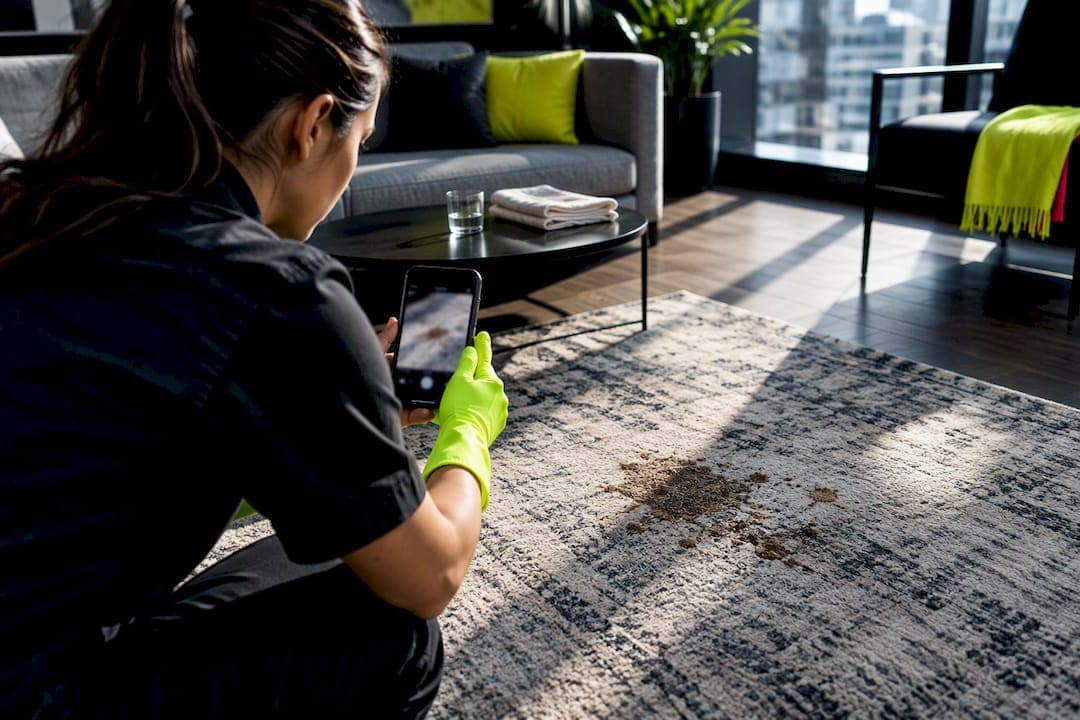
The fastest way to make a rental guest ready after a party is to document the scene with timestamped photos, then decide whether the mess needs a routine turnover or a professional eco friendly reset. Any bodily fluid, heavy odour or structural damage moves the job into decontamination territory. Treating that as a normal clean risks your insurance claim, your platform standing and, if a pathogen is involved, someone's health.
TL;DR:
- Routine turnovers are insufficient for significant spills involving bodily fluids, structural damage, or persistent odors that threaten health and platform policies.
- Immediate actions within the first hour include securing access, photographing affected areas, and using PPE to contain and document contamination before cleaning.
- Different surfaces require tailored cleaning protocols: hard surfaces with detergent and disinfectant, soft furnishings with extraction cleaning, and linens with industrial laundering.
- Handling biohazard incidents demands strict disinfection procedures, fresh disinfectant mixtures, proper waste disposal, and protective gear to prevent health risks and property damage.
- Costs vary widely based on damage scope, with full decontamination requiring specialized equipment, disposal fees, and precise scope documentation for insurance claims.
Table of Contents
- What a post party rental reset includes
- Immediate steps to take in the first hour
- Cleaning protocols by surface and item
- Health, biohazard and disinfectant guidance for hosts
- When to call a professional reset service
- Total cost estimation for cleaning after party rental
- Comprehensive checklist of necessary cleaning supplies and equipment
- Best practices for stain removal specific to common party spills
- Guidance on waste disposal and recycling regulations post event
- Tips for managing manpower or hiring professional cleaning services
- Safety protocols to protect cleaners from injury or exposure during cleanup
- Balancing guest experience, legal risk and eco safety
- How Grime Scene Services helps: the Scene Reset and response tiers
- Sources
- FAQ
What a post party rental reset includes
Before anyone touches a mop, work out whether the property needs a routine turnover or a full reset. That decision protects your booking calendar and your evidence trail if a guest disputes a damage claim.
Start with the immediate priorities: confirm the property is safe to enter, restrict access to essential people only, photograph everything before you clean, and pull the guest's name and reservation details from the platform in case you need to lodge a claim.
A professional reset typically covers:
- Trash, glass and broken item removal from every room, including outdoor areas.
- Stain triage on carpets, upholstery and walls to decide what can be spot treated versus what needs extraction.
- Full upholstery and carpet extraction cleaning where spills have soaked into fibres.
- Mattress assessment, since a soiled mattress often needs professional treatment or replacement rather than a wipe down.
- Linen quarantine and industrial laundering for anything exposed to bodily fluids or heavy staining.
- Odour neutralisation, appliance sanitisation and a full consumables restock before the next guest arrives.
Certain signs mean you should skip the routine turnover entirely: visible vomit, blood or other bodily fluids, broken furniture or fixtures, a smell that lingers after airing the property out, evidence of a large uncontrolled gathering, or any sign of illegal activity. Our guide to types of rental reset cleaning protocols breaks down how these scopes differ in practice.
Pro Tip: Keep a simple decision rule on hand: if you would hesitate to let your own family sleep in the room without a deep clean, it needs a reset, not a turnover.
Immediate steps to take in the first hour
What you do in the first sixty minutes after discovering the damage shapes everything that follows, from your insurance claim to how quickly the property is guest ready again.
- Secure the property and limit entry to yourself, your property manager or the cleaning crew. Extra foot traffic spreads contamination and complicates any later dispute.
- Photograph and film every affected area before moving or cleaning anything. Capture wide shots for context and close ups of stains, damage or bodily fluids, all with your phone's timestamp visible.
- Record the guest's name, reservation ID and a factual note of what you observed. Avoid speculation. Stick to what you can see and measure.
- Put on nitrile gloves and a surgical mask before approaching any contaminated area. Skip aerosol sprays near bodily fluids, since spraying can aerosolise pathogens into the air rather than containing them.
- Contain spills with absorbent material, then double bag any contaminated waste for disposal. Do not leave soiled items sitting in common areas.
- Contact your insurer and the listing platform if the damage breaches house rules or the platform's party policy. Under the NSW code of conduct for short-term rental accommodation, hosts are expected to document the condition of the property immediately, since that record affects both insurance and compliance outcomes.
A reliable cleaning checklist built around photo proof makes this process repeatable every time a booking goes wrong.
Pro Tip: Store incident photos in a dedicated folder named with the reservation ID so you can retrieve them instantly if a dispute drags on for weeks.
Cleaning protocols by surface and item
Different surfaces need different treatment, and guessing wrong can set a stain permanently or leave a pathogen behind.
- Hard surfaces (benchtops, tiles, glass, hard flooring): clean with detergent first to remove organic material, then disinfect. Follow the product label's stated contact time, since wiping off a disinfectant too early undoes the treatment.
- Soft furnishings (sofas, rugs, curtains): use extraction cleaning with a HEPA vacuum or professional steam equipment rather than a spray and wipe approach. DIY sprays are not reliable for bodily fluid incidents because they treat the surface without lifting what has soaked into the fibres.
- Mattresses: treat any soiled mattress as contaminated. Professional deep extraction can sometimes save it, but replacement is often the safer and cheaper long-term option once you weigh cleaning costs against guest complaints, as detailed in the role of cleaning in asset longevity for period homes. Keep photos and receipts either way.
- Linens and towels: quarantine anything touched by bodily fluids. Industrial laundering or hospital grade processing is needed before reuse. Do not mix quarantined linen with the general wash.
NSW Health's environmental cleaning guidance notes that contaminated carpets should be cleaned with neutral detergent and hot water, then steam cleaned, because bleach based disinfectants can be corrosive or stain textiles and are not appropriate for every surface.
Bodily fluid incidents call for a two step process every time: a detergent clean to remove the organic load, followed by disinfection, according to NSW Health guidance on infection control. Skipping the first step and disinfecting straight over organic matter reduces how effectively the disinfectant works.
Appliances often get overlooked in this process. Our appliance cleaning standards guide sets out the benchmark hosts should expect once a reset is complete.
Health, biohazard and disinfectant guidance for hosts
Vomit and diarrhoea are not just unpleasant, they can carry norovirus and other gastrointestinal pathogens that spread quickly through a property if handled incorrectly.
- Clean spills with detergent first, then disinfect, following NSW Health's gastroenteritis fact sheet, which recommends a freshly prepared chlorine solution at an appropriate concentration for hard surfaces.
- Use hospital grade, non bleach disinfectants on soft furnishings, since bleach can damage or discolour fabric while still being appropriate for tiles or benchtops.
- Prepare disinfectant solutions fresh each time rather than using leftover mixture, and allow the full dwell time stated on the product before wiping the area down.
- Avoid sprays that aerosolise bodily fluids. Pour or apply absorbent material directly instead of spraying across a wide area.
- Wear gloves and a mask, and limit who enters the affected room while cleaning is underway.
- Bag contaminated materials separately, seal them properly and note how they were disposed of, in case your insurer or the platform asks for evidence later.
These steps matter because a mishandled biohazard incident can turn a one night party into a multi day closure while you deal with lingering odour or a repeat contamination.
When to call a professional reset service
Some situations are beyond what a standard turnover clean can fix safely or quickly enough.
- Engage a professional for any bodily fluid incident, suspected contamination, heavy lingering odour, or when your next check in is close and the property is not guest ready.
- Ask what response tier suits your timeline. A rapid response service handles urgent same day turnarounds, while a full decontamination sweep is built for deeper remediation jobs like widespread staining or structural cleanup.
- Request a written scope of work, before and after photos and a completion report. This paperwork is what supports an insurance claim or a platform dispute if the guest challenges a damage charge.
- Confirm the provider uses eco friendly, non toxic methods if avoiding harsh chemical residue around future guests matters to you.
Airbnb's Australia hosting guidance directs hosts toward enhanced cleaning processes and following public health advice after any disruptive gathering, which lines up with the documentation and disinfection steps above. Understanding standard turnover timing also helps you judge whether a rapid response fits your check in window.
Total cost estimation for cleaning after party rental
Costs for a post party clean vary widely depending on how much damage occurred and how many rooms are affected, so there is no single industry figure that applies to every job. A routine turnover with minor extra mess costs close to a standard clean. A full decontamination sweep, covering biohazard handling, carpet extraction, linen replacement and odour treatment, costs considerably more because it involves specialised equipment, disposal fees and longer labour time.
The variables that move the price most are the number of rooms affected, whether mattresses or upholstery need replacement rather than cleaning, how much linen needs quarantining and industrial washing, and whether waste disposal fees apply for biohazard materials. A single stained rug is a minor line item. A mattress replacement, several rooms of carpet extraction and a full linen changeover add up quickly.
Because pricing depends on scope, the most reliable way to budget is to request a written quote after describing the damage, ideally with your incident photos attached. This also gives you a documented scope to compare against the completion report once the job is done, which matters if you are recovering costs through a security deposit, travel insurance or a platform's damage protection.
Hosts who budget for occasional incidents as part of running a short-term rental tend to handle them with less disruption than those who treat every party as a one off crisis. Setting aside a portion of your cleaning budget for unplanned resets means you are not scrambling for cash flow when a booking goes wrong.
Comprehensive checklist of necessary cleaning supplies and equipment
A well stocked cleaning kit makes the difference between managing an incident calmly and improvising with whatever is under the sink.
- Nitrile gloves and surgical masks for anyone entering a contaminated area.
- Neutral detergent for the first pass clean on any surface, hard or soft.
- A hospital grade, non bleach disinfectant for soft furnishings and a chlorine based disinfectant for hard surfaces.
- Absorbent material such as paper towel or kitty litter for containing spills before they spread.
- Double layer waste bags for sealing contaminated material separately from general rubbish.
- A HEPA filter vacuum for soft furnishings, since a standard vacuum can recirculate fine particles.
- A steam cleaner or access to professional extraction equipment for carpets and upholstery.
- Spare linen and towels, kept ready so quarantined items do not delay the next guest's arrival.
- A phone or camera for timestamped documentation, plus a notebook or app for recording reservation details.
Hosts running multiple properties often keep a dedicated kit per property rather than sharing supplies, since a shared kit risks cross contamination between jobs and slows down response time when two incidents happen close together.
Best practices for stain removal specific to common party spills
Different spills need different first responses, and treating them all the same way tends to set the stain rather than lift it.
Red wine and coloured drinks respond best to blotting with cold water immediately, then a neutral detergent solution worked in from the outside of the stain toward the centre. Rubbing spreads the stain and pushes it deeper into carpet fibres.

Oil and grease from party food need a detergent formulated to break down fat, since water alone will not shift it. Blot rather than scrub, and treat the area before it dries.
Candle wax should be allowed to harden fully, then lifted off gently before any liquid treatment is applied, since heat from cleaning products can push wax further into fabric.
Bodily fluids are the exception to every DIY stain rule above. Rather than a stain removal product, these need the two step detergent then disinfectant process described earlier, and soft furnishings usually need professional extraction rather than a home carpet cleaner, because surface treatment does not reach what has soaked into the padding underneath.
General rule of thumb: treat a stain while it is fresh, always test any product on a hidden area first, and if the item is upholstered or carries a bodily fluid stain, assume it needs extraction equipment rather than a spray bottle.
Guidance on waste disposal and recycling regulations post event
Party waste generally splits into three streams: general rubbish, recyclables and, where relevant, contaminated or biohazard material.

General rubbish, bottles, cans and food scraps are sorted into their usual council bins, though a large party often produces more recyclable glass and cardboard than a standard collection allows in one go, so check your council's bulk waste or extra collection options if bins overflow.
Contaminated waste, including anything soiled with bodily fluids, needs to be bagged separately, sealed and disposed of in general waste rather than recycling, since recycling facilities are not equipped to handle biohazard material. Keep a note of when and how this waste was disposed of as part of your incident documentation.
If the party caused damage requiring items to be discarded entirely, such as a mattress or heavily stained rug, check whether your council offers a hard rubbish collection or whether you need to arrange a tip run, since large items generally cannot go in a standard bin. Factor disposal logistics into your cleanup timeline, particularly if a new guest is checking in within a day or two.
Tips for managing manpower or hiring professional cleaning services
Deciding between doing the clean yourself, calling in your regular cleaner, or booking a specialist reset service comes down to scale, timing and risk.
For a minor mess with no bodily fluids or damage, your regular turnover cleaner can usually manage the extra work with a bit more time booked in. For anything involving contamination, structural damage or a tight turnaround before the next guest, a specialist service with the right equipment and disinfection protocols is the safer option.
If you manage several properties, having a shortlist of providers on call, rather than searching from scratch during an emergency, saves hours when a booking goes wrong. Ask any provider upfront what their response window looks like for urgent jobs versus standard scheduling, since a same day guest changeover needs a very different service tier to a routine weekly clean.
Clear scope documents matter as much as the clean itself. Before the crew arrives, share your incident photos and a plain description of what happened, then request a written scope back. This avoids disputes over what was included and gives you the paperwork trail you need if you are claiming costs back through insurance or a platform's damage process.
Safety protocols to protect cleaners from injury or exposure during cleanup
Anyone cleaning up after a party, whether that is you, a staff member or a hired crew, needs protection from both physical injury and exposure to contaminants.
- PPE is non negotiable for bodily fluid cleanup: nitrile gloves, a surgical mask and, for heavier jobs, eye protection to guard against splashback.
- Ventilate the room before and during cleaning, since strong disinfectant fumes in an enclosed space can cause headaches or respiratory irritation.
- Never mix cleaning chemicals, particularly bleach based and ammonia based products, since the combination produces toxic fumes.
- Watch for broken glass and sharp debris common after parties, and use puncture resistant gloves rather than standard nitrile gloves when clearing this kind of mess.
- Limit the number of people in a contaminated area at once, both to reduce exposure risk and to avoid cross contaminating clean zones with dirty equipment.
- Wash hands thoroughly after removing PPE, even when gloves were worn throughout the job.
These steps reflect general Australian public health and workplace cleaning guidance on handling bodily fluids and hazardous waste safely, which applies whether the person cleaning is a professional or a host handling a minor incident themselves.
Balancing guest experience, legal risk and eco safety
The instinct after a bad party is to clean fast and move on, but speed without documentation is the riskiest option available. Professional remediation with photo proof protects your insurance claim and your platform standing at the same time it restores the property.
Eco friendly, non toxic protocols matter here too, not as a marketing point but because guests and cleaning staff are exposed to whatever chemicals were used, repeatedly, booking after booking. Formalised cleaning standards and documented before and after evidence are becoming baseline expectations under STRA compliance, not a bonus.
— Lead
How Grime Scene Services helps: the Scene Reset and response tiers
Chasing quotes and DIY advice at midnight after a bad party is the opposite of what a stressed host needs. The Scene Reset handles containment, extraction cleaning, linen rental or replacement, consumable restocking and photo reporting as one coordinated job, so you are not managing five separate providers while your next guest's check-in clock is running.
- Choose a rapid response service for a same day tactical clean when a booking is close and the property needs to be guest ready fast.
- Choose a deep decontamination full sweep for heavier jobs involving bodily fluids, odour or multiple affected rooms.
- Request before and after photos and a written completion report to support any insurance or platform dispute.
Every job uses non toxic, bleach free protocols, which matters when guests and pets are back in the space within hours of the clean finishing. Browse the full scope of services or book a Rapid Response tactical clean directly when you need the property turned around before your next check in.
Sources
- Code of conduct for the short-term rental accommodation industry | NSW Government
- NSW Health gastroenteritis fact sheet
- Apartment hosting guide — Airbnb (Australia) 2026
FAQ
What should I do first when I find bodily fluids after a party?
Put on gloves and a mask, photograph the area before touching anything, then contain the spill with absorbent material rather than spraying it. Follow with a detergent clean and disinfection, or call a professional reset service if the contamination is extensive.
How is a professional reset different from a normal turnover clean?
A normal turnover handles routine tidying, vacuuming and surface wiping between guests. A reset adds decontamination steps such as upholstery extraction, linen quarantine, odour neutralisation and documented photo reporting for incidents involving bodily fluids or heavy damage.
Do I need to tell my insurer or the booking platform about party damage?
Yes, particularly if the damage breaches house rules or the platform's party policy, since timely documentation supports any claim you make. The NSW code of conduct expects hosts to record property condition promptly for exactly this reason.
How quickly can a property be made guest ready after a serious incident?
Response times depend on the scope of damage, but a rapid response tactical clean is designed for same day turnarounds when a booking is imminent. Heavier decontamination jobs involving multiple rooms or mattress replacement generally need more time to complete properly.
What cleaning products are safe to use around bodily fluids?
Use a neutral detergent first to remove the organic material, then disinfect using a freshly prepared chlorine solution on hard surfaces or a hospital grade non bleach product on soft furnishings, as recommended in NSW Health guidance. Avoid spraying disinfectant directly onto fluids, since this can aerosolise contaminants into the air.