
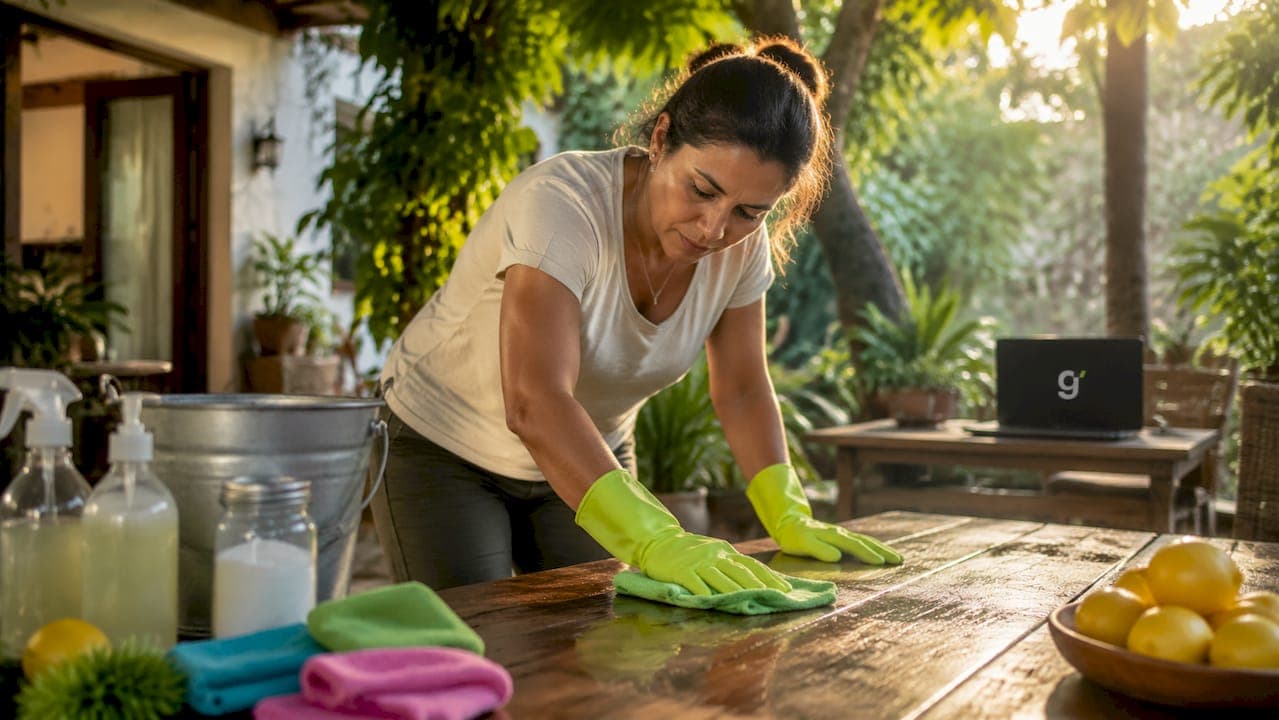
Deep cleaning is defined as a thorough removal of dirt, allergens, and pathogens from surfaces, fixtures, and hidden areas that routine tidying never reaches. The deep cleaning benefits homeowners gain go well beyond a tidy lounge room. Research from the Brown University Clean Indoor Air Initiative shows that surface pathogen elimination can reduce respiratory disease transmission risk by up to 80%. That figure alone reframes deep cleaning from a seasonal chore into a genuine health intervention. Clinical psychologist Dr Holly Schiff and environmental psychologist research published in the Journal of Environmental Psychology confirm that a cleaner home also lowers cortisol and sharpens mental clarity. Tools like HEPA-filter vacuums, steam cleaners, and professional services from Grimescene make that outcome achievable for any household.
1. What are the top health benefits of deep cleaning your home?
Deep cleaning removes the hidden biological load that standard mopping and wiping leaves behind. Dust mites, pet dander, pollen, and mould are the four most common allergen sources in Australian homes. Each one can trigger asthma flare-ups, hay fever, and chronic respiratory irritation, especially in children and older adults.
The Brown University Clean Indoor Air Initiative found that eliminating surface-borne pathogens through deep cleaning cuts respiratory disease risk by up to 80%. That reduction is not theoretical. It reflects what happens when grout lines, upholstery fibres, and HVAC vents are properly decontaminated rather than wiped over.
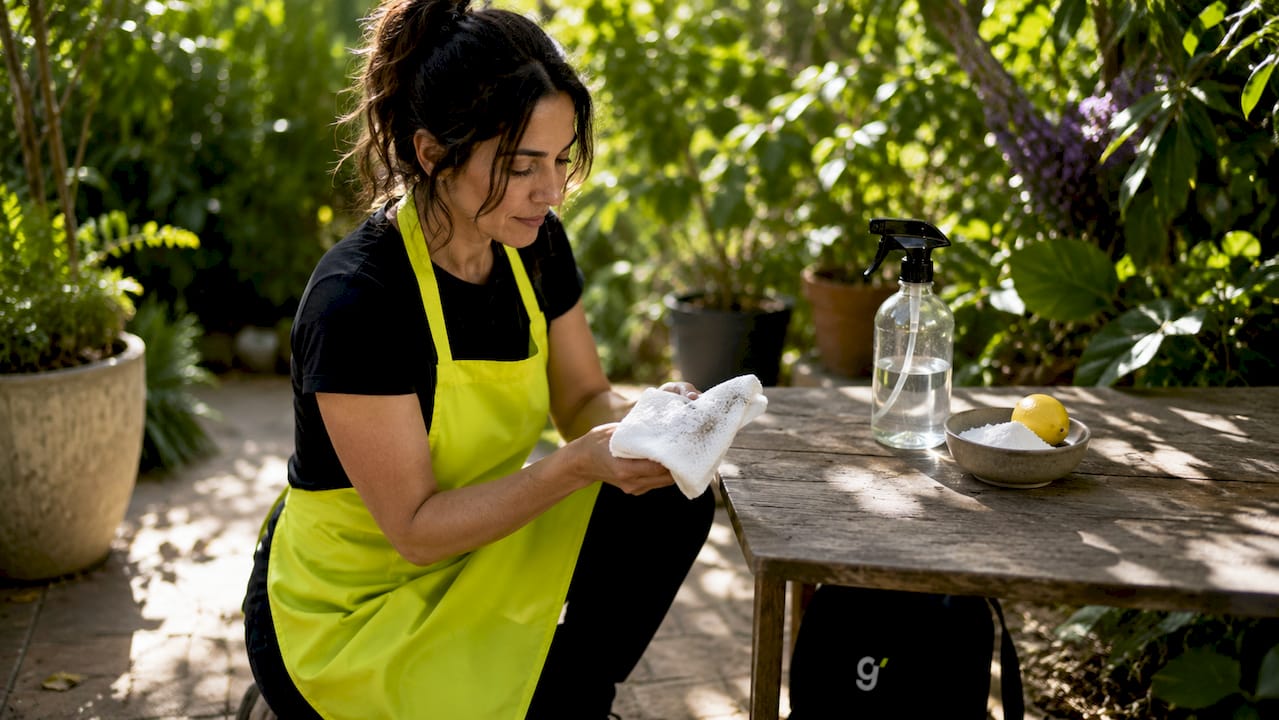
Sleep quality is another direct beneficiary. The Sleep Foundation notes that poor indoor air quality disrupts sleep by triggering allergy symptoms overnight. Reducing airborne dust and allergens through a thorough clean creates conditions where the body can actually rest.
Key health outcomes from a proper deep clean include:
- Reduced allergen load in carpets, rugs, and upholstered furniture
- Lower mould spore counts in bathrooms, laundries, and under sinks
- Cleaner HVAC vents that circulate filtered rather than contaminated air
- Fewer surface pathogens on high-touch areas like door handles and light switches
- Improved overnight breathing, leading to more restorative sleep
Pro Tip: Steam clean mattresses and upholstered furniture at least twice a year. Steam penetrates fabric fibres and kills dust mites without any chemical residue, making it the safest option for households with young children or pets.
2. How does deep cleaning enhance mental wellbeing and reduce stress?
Cleaning is a regulatory tool for the nervous system, not just a domestic task. Clinical psychologist Dr Holly Schiff explains that repetitive cleaning tasks are grounding and regulating, delivering a sense of control that most modern work simply does not provide. That sense of control is precisely what reduces anxiety.
The Journal of Environmental Psychology confirms that visual clutter competes for cognitive resources, raising cortisol levels and fragmenting attention. Removing that clutter through a deep clean produces a measurable drop in stress. The effect is not placebo. It reflects how the brain processes its visual environment.
"Physical, repetitive cleaning tasks are regulating and grounding, creating a sense of control and satisfaction lacking in many modern tasks." — Dr Holly Schiff, Clinical Psychologist, and Zen monk Shoukei Matsumoto
Psychiatric nurse practitioner Lori Bohn adds that cleaning releases endorphins in a way that mimics light physical activity. Those endorphins lift mood and help manage mild depression and anxiety. The physical effort of scrubbing, vacuuming, and reorganising is genuinely therapeutic.
Practical ways to maximise the mental health benefits of a deep clean:
- Focus on one room at a time to avoid feeling overwhelmed
- Treat the process as movement rather than a task list
- Play music or a podcast to make repetitive tasks feel meditative
- Notice the sensory shift in a freshly cleaned space, not just the visual result
- Schedule deep cleans during periods of high stress for maximum psychological relief
Maintaining a clean home between sessions also sustains the mood benefits long after the deep clean is done.
3. What practical advantages do homeowners gain from regular deep cleaning?
Regular deep cleaning makes everyday maintenance significantly easier. When grime, grease, and dust are removed thoroughly, the buildup between sessions is slower and lighter. That means your weekly wipe-down actually works instead of just redistributing surface dirt.
Pest prevention is one of the most underappreciated advantages of deep cleaning. Cockroaches, silverfish, and rodents are drawn to hidden food residues, grease deposits behind appliances, and damp debris in wall cavities. A thorough clean removes those attractants before an infestation takes hold.
Home surfaces and furnishings last measurably longer when deep cleaned regularly. Grime that embeds in carpet fibres degrades the pile. Grease on kitchen cabinetry breaks down the finish over time. Removing that buildup preserves the material rather than accelerating its wear.
Practical advantages that compound over time:
- Easier weekly maintenance because deep grime is not constantly regenerating
- Reduced pest risk through elimination of food residues and damp debris
- Longer lifespan for carpets, upholstery, tiles, and cabinetry
- A fresher, more comfortable home environment that guests and family notice immediately
- Lower long-term repair and replacement costs for surfaces and furnishings
Pro Tip: After a professional deep clean, place door mats at every entry point and enforce a no-shoes policy indoors. These two habits alone reduce the rate of dirt reintroduction by a significant margin and extend the clean considerably.
4. How does deep cleaning compare with regular household cleaning?
Regular cleaning maintains surface appearance. Deep cleaning removes what regular cleaning cannot reach. The distinction matters because allergens, pathogens, and structural grime accumulate in areas that a weekly vacuum and mop never address.
Experts recommend quarterly or biannual deep cleaning for optimal health and maintenance outcomes. That frequency reflects the rate at which allergen loads, mould spores, and embedded grime rebuild in a lived-in home.
| Feature | Regular cleaning | Deep cleaning |
|---|---|---|
| Frequency | Weekly or fortnightly | Quarterly or biannually |
| Areas covered | Visible surfaces, floors, benchtops | Behind appliances, inside vents, grout, upholstery |
| Tools used | Mop, broom, general spray | Steam cleaner, HEPA vacuum, specialist agents |
| Allergen removal | Partial, surface level | Thorough, including embedded allergens |
| Pathogen reduction | Minimal | Up to 80% reduction per Brown University research |
| Time required | 1–3 hours | 4–8 hours or professional service |
| Best suited for | Ongoing tidiness | Health intervention, seasonal reset, post-renovation |
Professional services are the right call when a home has not been deep cleaned in over six months, after renovation or construction work, or when a household member has a diagnosed respiratory condition. Grimescene's decontamination services cover all of those scenarios with non-toxic agents that do not leave chemical residues.
5. Which deep cleaning practices work best for families managing allergies?
For families with asthma, hay fever, or other respiratory sensitivities, deep cleaning is a health intervention, not a luxury. The allergen hotspots in most Australian homes are predictable, and targeting them systematically delivers the greatest relief.
Bedding is the single highest-priority area. Dust mites thrive in mattresses, pillows, and duvets. Washing bedding in hot water weekly and steam cleaning mattresses quarterly removes the mite population and its waste, which is the actual allergen trigger.
Eco-friendly cleaning products reduce the risk of introducing new chemical irritants while removing biological ones. Grimescene's non-toxic agents neutralise buildup without the volatile organic compounds found in many conventional cleaners. That matters for families where a child or adult already has a sensitised respiratory system. For a practical starting point, the role of eco cleaners in home maintenance is worth understanding before choosing products.
Targeted practices for allergy-sensitive households:
- Wash all bedding in water above 60°C to kill dust mites
- Steam clean carpets, rugs, and upholstered furniture every quarter
- Clean HVAC vents and replace filters every three months
- Vacuum with a HEPA-filter unit to trap fine particles rather than recirculate them
- Wipe down skirting boards, ceiling fans, and window tracks where dust accumulates unseen
- Use fragrance-free, non-toxic cleaning agents to avoid triggering chemical sensitivities
- Deep clean the garage and laundry, two rooms that affect indoor air quality more than most homeowners realise
Key takeaways
Deep cleaning is the most direct action homeowners can take to reduce allergens, lower stress, and extend the life of their home's surfaces and furnishings.
| Point | Details |
|---|---|
| Health impact is significant | Deep cleaning reduces respiratory disease transmission risk by up to 80%, per Brown University research. |
| Mental wellbeing improves | Removing visual clutter lowers cortisol and repetitive cleaning tasks regulate the nervous system. |
| Maintenance becomes easier | Regular deep cleans slow grime buildup, reducing the effort needed for weekly upkeep. |
| Frequency matters | Quarterly or biannual deep cleaning delivers the best health and maintenance outcomes for most households. |
| Allergy households need it most | Families with asthma or hay fever benefit most from targeting bedding, HVAC vents, and carpets with HEPA vacuums and steam cleaners. |
Why I think most homeowners underestimate what a deep clean actually does
Most people treat a deep clean as a bigger version of their regular Saturday tidy. It is not. The difference is qualitative, not just quantitative. A deep clean reaches the biological layer beneath the visible surface, and that layer is where the real health risk lives.
What I have observed consistently is that homeowners who deep clean quarterly report a noticeable shift in how their home feels to live in, not just how it looks. The air is different. Sleep improves. The low-grade tension that comes from a cluttered or grimy environment simply lifts. That is not anecdotal. Dr Holly Schiff's research and the Journal of Environmental Psychology findings back it up directly.
The biggest barrier is not time or cost. It is the belief that a home looks clean enough. Dust mites do not show up on a visual inspection. Mould spores in an HVAC vent are invisible until they are a problem. The grime that degrades carpet pile is embedded, not sitting on top. Waiting until you can see the problem means the damage is already done.
My honest recommendation is to schedule a professional deep clean at least twice a year and use it as a reset point. Build your regular cleaning habits around that baseline rather than hoping routine maintenance will cover everything. It will not. And the cost of a professional service is consistently lower than the cost of replacing surfaces, furnishings, or managing a pest problem that a clean home would have prevented.
— Lead
Let Grimescene handle the deep work
Grimescene's tactical deep cleaning units are built for exactly the kind of thorough decontamination this article describes. Their non-toxic agents neutralise embedded grime, allergens, and pathogens without the harsh chemicals that irritate sensitive households. Whether you need a full residential reset, a post-renovation clean, or a reliable turnover service for a short-term rental property, Grimescene's Scene Reset protocol delivers a result that standard cleaning services cannot match. Explore the full range of short-term rental cleaning services and book a service that protects your home, your family, and your investment.
FAQ
What does deep cleaning actually involve?
Deep cleaning covers areas that regular cleaning skips, including inside appliances, behind furniture, grout lines, HVAC vents, and upholstery fibres. It uses specialised tools like steam cleaners and HEPA-filter vacuums to remove embedded allergens and pathogens.
How often should homeowners deep clean their house?
Experts recommend quarterly or biannual deep cleaning for most households. Families with asthma, hay fever, or pets benefit from the higher frequency of every three months.
Does deep cleaning actually improve air quality?
Deep cleaning removes dust mites, mould spores, pet dander, and pollen that circulate through indoor air. The Sleep Foundation links reduced allergen loads directly to better overnight breathing and sleep quality.
Is professional deep cleaning worth the cost?
Professional deep cleaning is worth the cost when a home has not been thoroughly cleaned in over six months, after renovation work, or when a household member has a respiratory condition. The cost of a professional service is consistently lower than replacing damaged surfaces or managing a pest infestation.
Can deep cleaning help with stress and anxiety?
Clinical psychologist Dr Holly Schiff confirms that repetitive cleaning tasks regulate the nervous system and reduce cortisol. The Journal of Environmental Psychology links reduced visual clutter directly to lower stress levels and improved cognitive focus.