
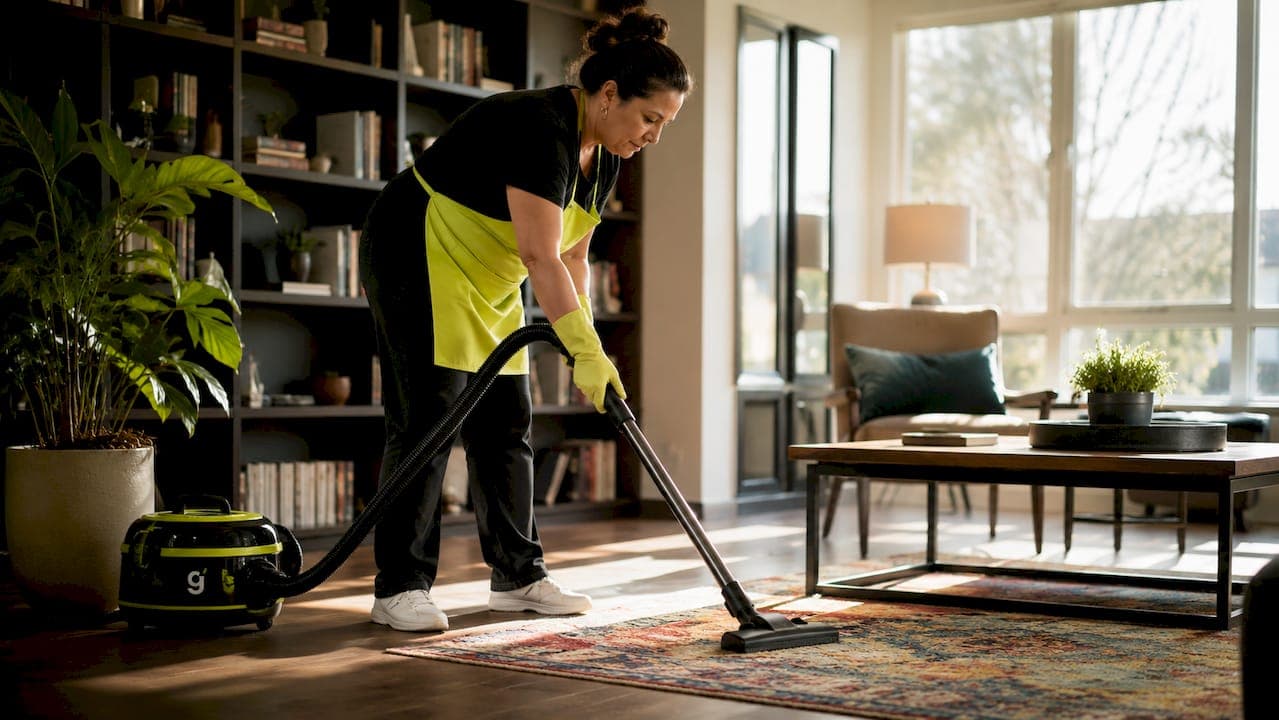
Seasonal deep cleaning is defined as a thorough, whole-home clean performed at the transition between seasons to remove accumulated grime, allergens, and dust that routine cleaning misses. The role of deep cleaning between seasons goes well beyond aesthetics. It directly affects indoor air quality, allergen load, and the long-term condition of your home's surfaces and furnishings. Whether you rent or own, a biannual deep clean is the single most effective maintenance habit you can build into your home care routine.
What does deep cleaning between seasons actually target?
Spring and fall deep cleans serve different purposes, and understanding that difference makes each one far more effective.
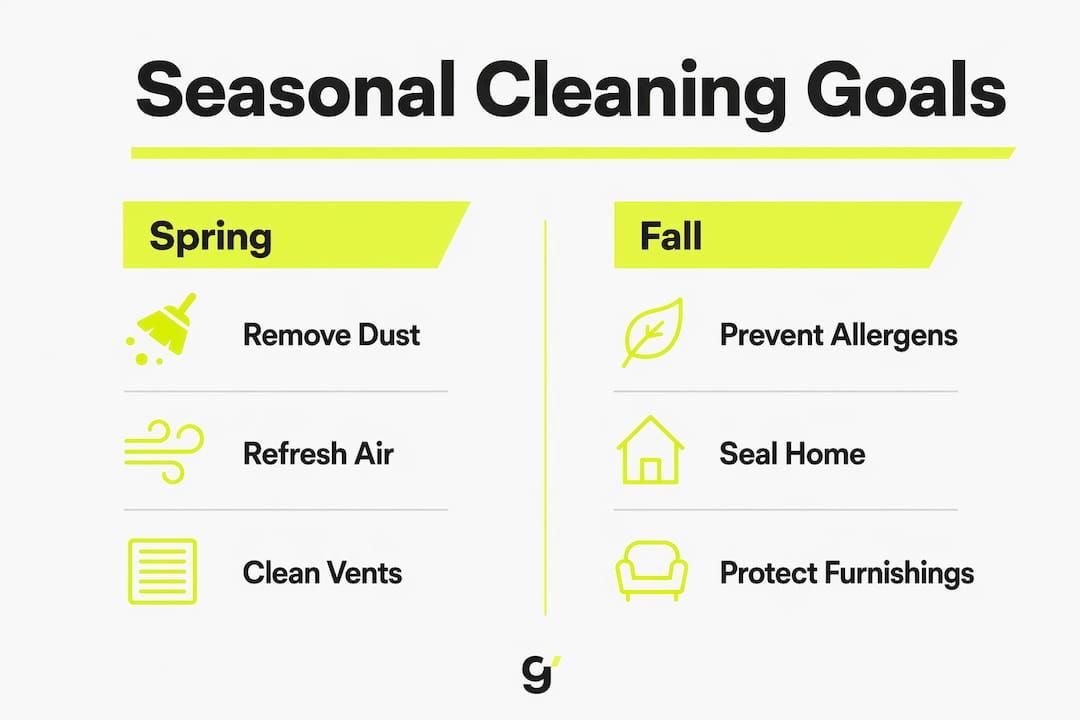
A spring deep clean targets what professionals call "closed-up winter air." Homes sealed during winter accumulate dust and allergens that degrade indoor air quality over months. Opening windows in september or october does not fix this. You need to physically remove the buildup from surfaces, vents, skirting boards, and soft furnishings before warmer weather amplifies allergen exposure. Clients who complete a proper spring deep clean consistently notice improved air quality within days.
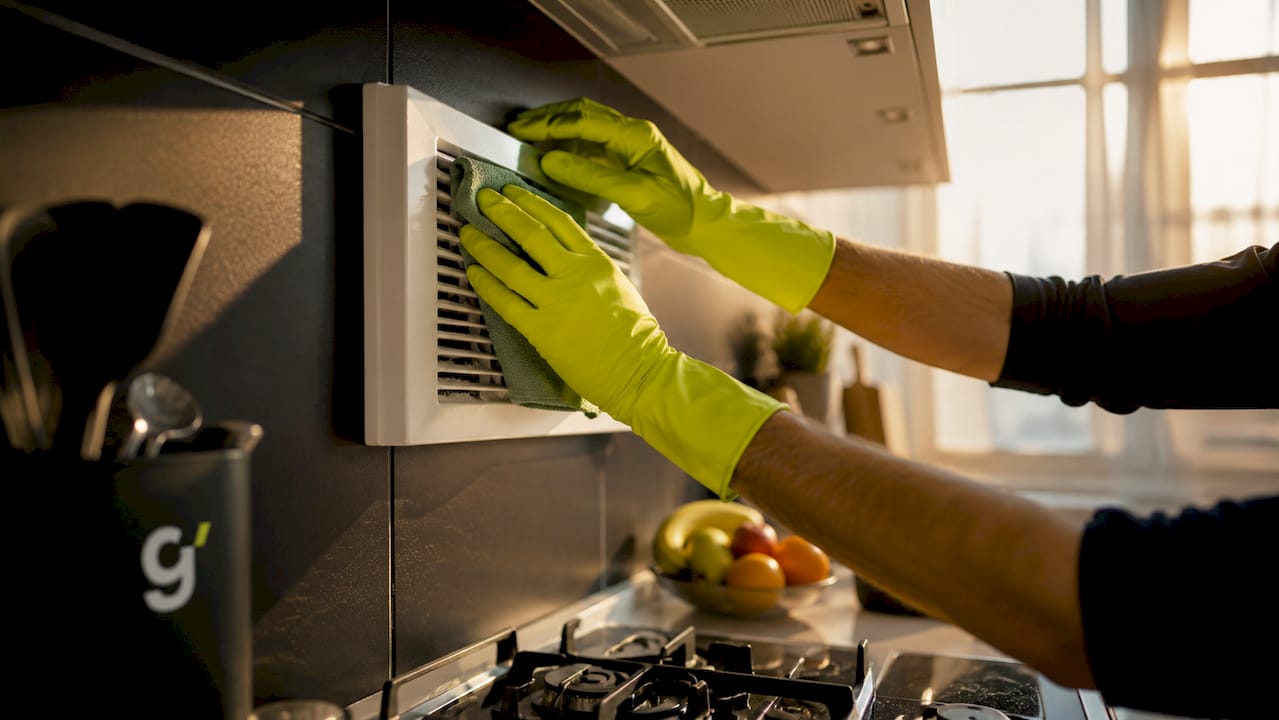
Fall deep cleaning works as a preventative buffer. Reduced allergen levels during winter matter most when windows stay shut and indoor air recirculates constantly. A thorough fall clean removes the dust mite colonies, pet dander, and mould spores that would otherwise concentrate indoors for months. Households that skip the fall clean often notice more respiratory discomfort by mid-winter.
The table below shows how the two seasonal cleans differ in focus.
| Season | Primary goal | Key areas |
|---|---|---|
| Spring | Clear winter dust, refresh air quality | Vents, skirting boards, carpets, windows |
| Fall | Reduce allergen load before winter confinement | Soft furnishings, bedding, bathrooms, kitchen |
Pro Tip: Before you start either seasonal clean, open every window and run ceiling fans for 30 minutes. This forces settled dust into the air so your vacuum captures it rather than leaving it on surfaces.
How often should you deep clean, and why does timing matter?
A biannual deep cleaning schedule, aligned with the shift from winter to spring and from summer to autumn, is the standard recommendation from professional organisers. This is not an arbitrary number. Two deep cleans per year match the two major environmental shifts that change what accumulates inside your home.
The key insight from professional organisers is that a seasonal cleaning rotation works best as a flexible framework, not a rigid contract. Life gets in the way. If you miss the ideal timing by a few weeks, the clean still delivers most of its benefit. The goal is proactive scheduling to prevent grime from compounding, not perfection.
Skipping a season entirely does have consequences, though. Grime builds on grime. Dust mite populations double in undisturbed environments. Mould spores find purchase in corners that have not been wiped down in six months. By the time you do clean, the job takes significantly longer and requires more effort.
Here is what a realistic biannual schedule looks like for most homeowners and renters:
- September/October (fall clean): Focus on soft furnishings, bedding, bathroom grout, kitchen appliances, and air vents before windows close for winter.
- August/September (spring clean, Southern Hemisphere): Target skirting boards, window tracks, carpets, and outdoor-facing surfaces after winter dust settles.
- Year-round maintenance: Light weekly cleaning between deep cleans reduces the workload at each seasonal interval. A layered cleaning approach prevents compound grime accumulation.
- Flexibility rule: If a season slips, do not wait for the next scheduled clean. Do a partial deep clean of the highest-impact rooms, particularly the kitchen and bathroom, to hold the line.
The cumulative benefit of staying consistent is real. Homes on a biannual schedule require less intensive effort at each clean because grime never gets the chance to embed deeply into surfaces.
What are the key steps for an effective seasonal deep clean?
Sequence matters more than most people realise. The dry-to-wet cleaning sequence is the single most important technique to understand before you start. Dry dust and vacuum first. Wet clean second. Reversing this order creates a dirt paste on surfaces that is far harder to remove than the original dust.
Step 1: Declutter before you clean
Decluttering before cleaning is non-negotiable. Most failed deep cleaning attempts happen because people try to organise and clean at the same time. The cognitive load is too high and the physical effort too great. Remove everything from surfaces, sort it into keep, donate, and discard piles, then put it away before you pick up a cloth.
Step 2: Work top to bottom, dry to wet
Start at ceiling height. Dust light fittings, fan blades, and the tops of wardrobes. Work down to shelves, benchtops, and skirting boards. Vacuum carpets and hard floors last among the dry tasks. Then move to wet cleaning: wipe down surfaces, scrub grout, clean appliances, and mop floors.
Step 3: Prioritise high-impact zones
Kitchens and bathrooms accumulate the most grime and produce the strongest odours. If time is limited, these two rooms deliver the greatest return on cleaning effort. Inside the oven, behind the toilet, under the sink, and around the shower screen seal are the spots most people skip during routine cleaning.
Step 4: Schedule realistically
A well-planned deep clean can be completed in a single day when tasks are prioritised by room and you avoid the trap of trying to do everything at once. Break the home into zones. Assign each zone a time block. Stop when the block ends, even if the zone is not perfect.
Pro Tip: Clean microfibre cloths and a HEPA-filter vacuum are the two tools that make the biggest difference in a seasonal deep clean. Microfibre captures fine dust rather than redistributing it, and HEPA filtration stops allergens from recirculating through the vacuum exhaust.
How does seasonal deep cleaning benefit your home's health and longevity?
Regular seasonal deep cleaning delivers benefits that extend well beyond a tidy appearance. The impact on indoor air quality is measurable for people with allergies and respiratory conditions. Reduced dust mite presence and mould buildup directly correlate with fewer allergy flare-ups and better sleep quality.
The structural benefits are equally significant. Deep cleaning extends the lifespan of furnishings and flooring by removing the grit and grime that physically degrades fibres and surface coatings over time. A carpet that is deep cleaned twice a year lasts years longer than one that receives only routine vacuuming.
The financial case is straightforward too:
- Prevents costly repairs: Mould caught early during a seasonal clean costs far less to address than mould discovered after months of growth inside a wall cavity.
- Protects surface finishes: Grout, timber floors, and stone benchtops all degrade faster when grime is left to embed. Regular deep cleaning preserves these finishes.
- Reduces renovation frequency: Homes that receive consistent seasonal care show less wear and require less frequent repainting, regrouting, and carpet replacement.
- Improves respiratory health: Studies link reduced dust mite and mould presence to fewer allergy flare-ups, which translates to fewer sick days and lower medical costs over time.
The cumulative effect of two deep cleans per year is a home that stays cleaner between cleans, costs less to maintain, and supports better health for everyone living in it. You can read more about the full benefits for homeowners in Grimescene's detailed guide.
Key takeaways
Seasonal deep cleaning is the most cost-effective home maintenance habit available to homeowners and renters, delivering measurable improvements in air quality, surface longevity, and allergen control.
| Point | Details |
|---|---|
| Biannual schedule | Deep clean twice a year, aligned with the shift into spring and autumn. |
| Dry-to-wet sequence | Always dust and vacuum before wet cleaning to prevent grime paste. |
| Declutter first | Remove and sort items before cleaning to avoid fatigue and incomplete sessions. |
| Prioritise kitchen and bathroom | These rooms deliver the highest return on deep cleaning effort. |
| Consistency beats perfection | A flexible seasonal rotation prevents compound grime better than sporadic intensive cleans. |
Why I think most people are approaching seasonal cleaning backwards
Most homeowners and renters treat deep cleaning as a reaction to visible mess. They wait until the grout looks grey, the oven smokes, or guests are coming. That reactive approach means you are always cleaning under pressure, always doing more work than necessary, and never quite catching up.
The shift that changes everything is treating seasonal deep cleaning as maintenance, not remediation. When you clean proactively at the start of each season, you are removing grime before it embeds. The work is lighter, faster, and less unpleasant. The home stays in better condition between cleans. And the health benefits, particularly for anyone with allergies or asthma, are far more consistent.
I have seen this shift happen in households that move from reactive to proactive cleaning. The first seasonal clean is always the hardest because you are dealing with accumulated buildup. The second is noticeably easier. By the third, the home is genuinely easier to maintain year-round. The maintenance between deep cleans also becomes less of a chore because there is less to manage.
Start with one season. Do not try to overhaul your entire cleaning routine at once. Pick the upcoming seasonal transition, block out a day, and follow the dry-to-wet sequence. That single clean will show you what proactive maintenance actually feels like.
— Lead
When professional seasonal cleaning makes sense
Some seasonal deep cleans are simply beyond what one person or household can reasonably tackle alone. Grimescene's rapid response tactical clean delivers a thorough, targeted clean using non-toxic agents that neutralise buildup rather than masking it. This is particularly useful at seasonal transitions when time is short or the accumulated grime is significant.

For rental property owners, Grimescene's short-term rental cleaning services include the Scene Reset protocol, which handles seasonal turnovers with the thoroughness that protects host ratings and keeps properties in top condition between guests. Whether you need a one-off seasonal reset or a recurring maintenance plan, Grimescene's eco-friendly approach means no harsh chemicals in your home and no compromise on results.
FAQ
What is the role of deep cleaning between seasons?
Seasonal deep cleaning removes accumulated dust, allergens, and grime that routine cleaning misses, directly improving indoor air quality and reducing allergen load before each new season.
How often should you deep clean your home?
A biannual deep clean, once in spring and once in autumn, is the standard recommendation. This schedule aligns with the two major environmental shifts that change what accumulates inside your home.
What is the correct sequence for deep cleaning?
Always follow the dry-to-wet sequence: dust and vacuum all surfaces first, then wet clean. Wet cleaning before dry dusting creates a grime paste that is significantly harder to remove.
What areas should you prioritise in a seasonal deep clean?
Kitchens and bathrooms deliver the greatest return on effort and should be prioritised. Vents, skirting boards, grout, and soft furnishings are the areas most commonly missed in routine cleaning.
Does seasonal deep cleaning actually extend the life of furnishings?
Regular deep cleaning removes the grit and grime that physically degrades carpet fibres, timber floors, and surface coatings over time, measurably extending the lifespan of furnishings and finishes.