
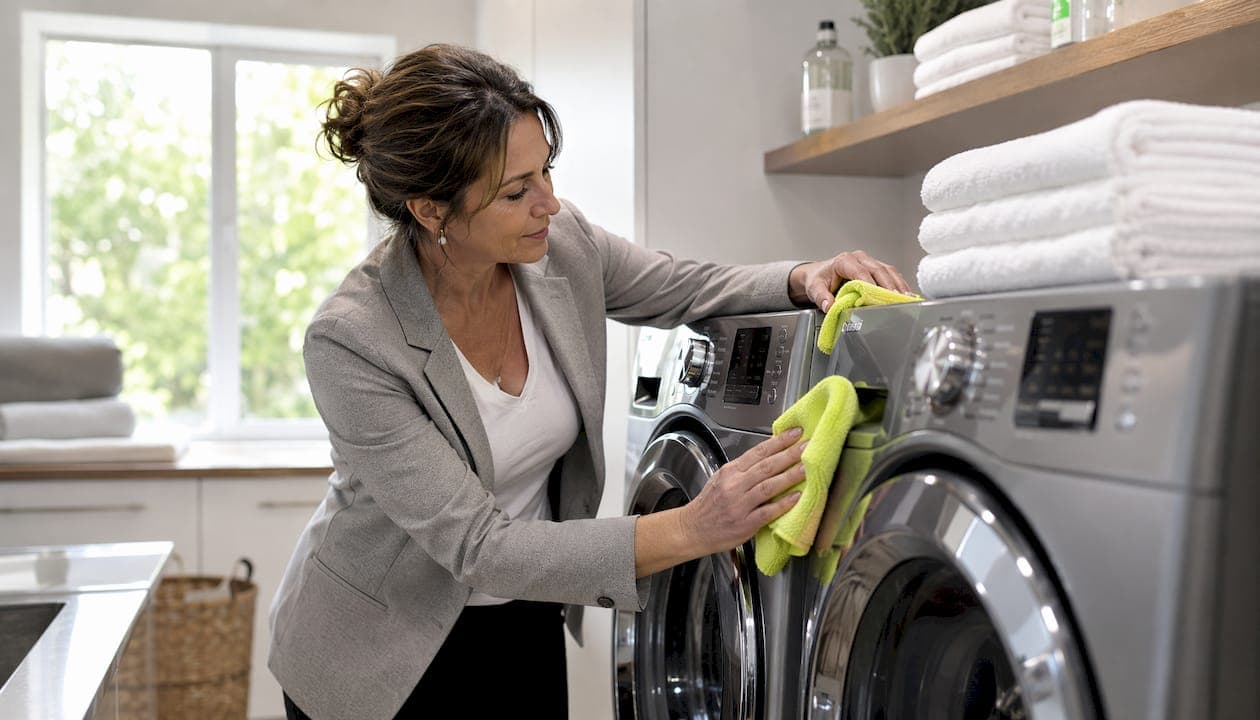
Cleaning is the primary defence against household pests because it removes the three things every pest needs: food, water, and shelter. Without those, most infestations never get started. Three actions make the biggest immediate difference: seal all food in airtight containers, fix any drips or leaks, and strip out clutter that gives pests somewhere to hide. One important caveat: if a pest technician has recently treated your property, hold off on deep cleaning for a couple of days.. Scrubbing treated surfaces too soon can undo targeted treatments before they have had time to work.
- Seal food in airtight containers immediately
- Fix leaks and eliminate standing water
- Remove cardboard, paper piles, and unused storage items
Table of Contents
- Why does cleaning prevent pests? The science of conducive conditions
- What to clean, where, and in what order
- How to coordinate cleaning with pest treatments
- When should you hire an eco-friendly professional cleaner?
- Cleaning schedule for property managers, homeowners, and hosts
- Key takeaways
- The part most property managers get wrong
- Grimescene keeps your property pest-resistant between treatments
- Useful sources and further reading
Why does cleaning prevent pests? The science of conducive conditions
Pest professionals use the term "conducive conditions" to describe the specific combination of food, water, and shelter that allows pests to establish and breed. The key insight is that tiny quantities matter. A thin film of grease behind a stove, a slow-draining sink, or a stack of cardboard boxes is enough to support rapid fly and roach populations. Cosmetic cleanliness is not the goal. Targeting hidden residues and moisture is.
Research published in a peer-reviewed entomology journal found that sanitation measurably improves pest management outcomes and reduces long-term control costs in high-risk environments. The effect is not marginal. Cleaner facilities show much slower pest rebound rates after treatment.
Opportunistic pests exploit specific neglected zones:
- Drains: organic residue builds up in P-traps and pipe walls, feeding drain flies and small roaches
- Under appliances: grease and food debris accumulate where routine mopping never reaches
- Cardboard and paper: clutter creates harbourage and blocks early detection of pest activity
- Wall void access points: gaps around pipes and cables give rodents and cockroaches a protected corridor
| Pest | Primary attractant | Key conducive condition |
|---|---|---|
| German cockroach | Grease, food debris | Warm, moist crevices near appliances |
| Drain fly | Organic slime in drains | Chronic moisture and organic buildup |
| House mouse | Food scraps, nesting material | Clutter, cardboard, wall voids |
| Pantry moth | Unsealed dry goods | Open or damaged food packaging |
A short-term rental property that turns over guests weekly is a textbook example of how quickly conducive conditions develop. Each guest cycle introduces new food residues, bin odours, and displaced clutter. Without a structured reset between stays, pest pressure compounds fast.
What to clean, where, and in what order
Prioritise zones by pest risk, not by what is most visible. The kitchen perimeter, under and behind appliances, drains, bins, storage areas, and plumbing surrounds are where infestations begin.
- Kitchen perimeter and appliances: pull out the fridge and oven quarterly. Clean grease from the back panels, coil covers, and floor beneath. Use a residue-free degreaser rather than a heavy detergent that leaves a film attracting more dust and debris.
- Drains: flush weekly with boiling water. For persistent organic buildup, use a bio-sanitation product containing microbes that digest residue in P-traps and pipe walls where conventional cleaners cannot reach.
- Bins: wash internal bin surfaces with a low-odour disinfectant weekly. Exterior bins need lids that seal and should be positioned away from entry points.
- Storage and clutter: replace cardboard boxes with sealed plastic totes. Declutter storage rooms so you can actually see the floor and walls. Pest activity is far easier to spot in an uncluttered space.
- Wall void access points: clean around pipe penetrations and cable entry points before any sealant work. Greasy or dusty edges prevent sealants and brush strips from bonding correctly.
- Plumbing surrounds: wipe down under-sink cabinets monthly. Fix drips immediately. Even a slow drip provides enough water for cockroaches to survive indefinitely.
Eco-friendly product choices matter here. Conventional heavy-duty cleaners can leave chemical residues that interfere with pest-control bait stations. Residue-free degreasers, plant-based disinfectants, and bio-sanitation drain treatments are effective against pest attractants without creating secondary problems.
Pro Tip: Schedule deep cleans before any proofing or sealant work, not after. Clean substrates allow brush strips, vent guards, and gap sealants to bond properly and last longer. Cleaning after proofing can dislodge freshly applied seals.
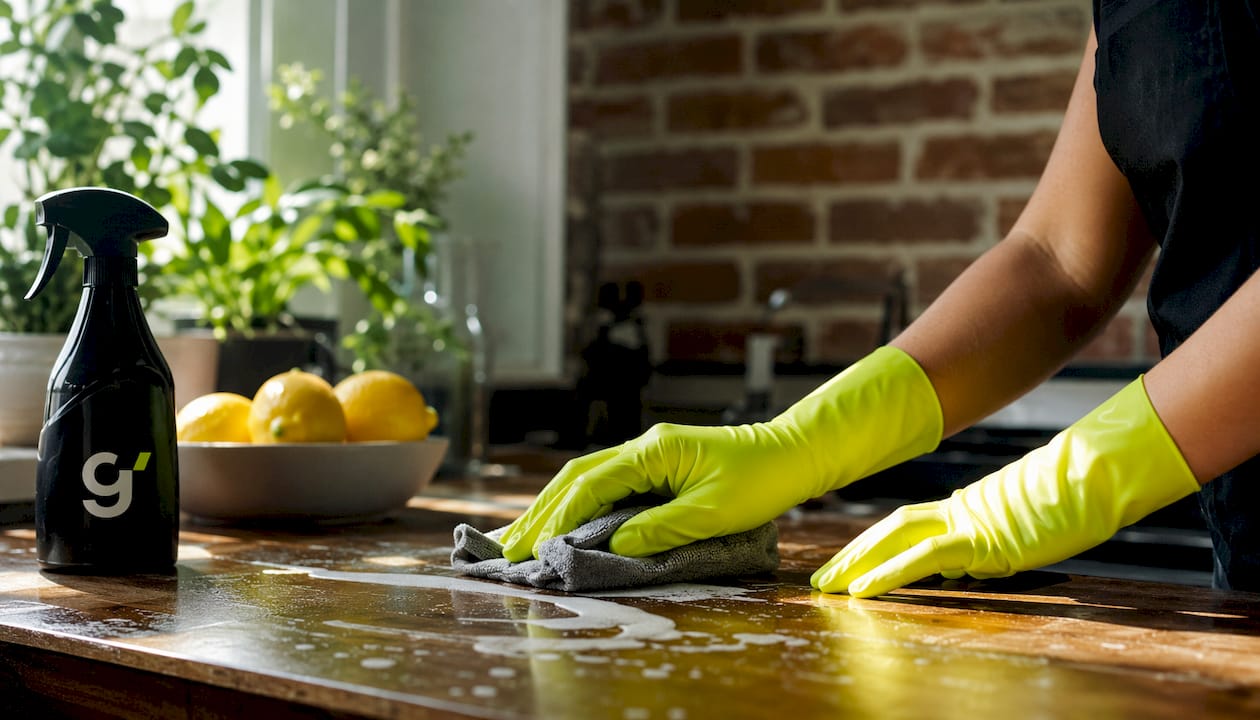
| Task | Frequency | Eco-friendly approach |
|---|---|---|
| Drain flush | Weekly | Boiling water or microbial drain cleaner |
| Under-appliance clean | Quarterly | Residue-free degreaser, microfibre |
| Bin wash | Weekly | Low-odour plant-based disinfectant |
| Storage declutter | Every 3 months | Remove cardboard, use sealed plastic totes |
| Plumbing surrounds | Monthly | Wipe dry, fix drips immediately |
How to coordinate cleaning with pest treatments
Cleaning at the wrong time after a pest service can strip away weeks of residual protection. Targeted, low-volume treatments applied to cracks and crevices rely on pests contacting treated surfaces over days or weeks. Scrubbing those zones immediately removes the active ingredient before it has worked.
What to avoid for 24–72 hours after treatment (longer for residual zones):
- Scrubbing or mopping skirting boards and baseboards
- Washing treated cracks, crevices, or bait station surrounds
- Wet-mopping floors in treated rooms
- Wiping down treated wall voids or pipe penetrations
What is safe once surfaces have dried (typically within 45 minutes for standard interior sprays):
- Vacuuming is generally safe the same day once treatments have dried
- Removing dead insects with a vacuum or damp cloth
- Light surface wiping in untreated areas
For residual treatments, wet cleaning of treated zones may need to wait up to 30 days. Always confirm the specific window with your pest technician before scheduling a clean.
Communication checklist for cleaners and pest technicians:
- Before treatment: confirm which zones will be treated and mark them clearly
- After treatment: get the technician's written re-entry time and cleaning restrictions
- Schedule the deep clean after the residual window has passed
- Sequence proofing work after the post-treatment deep clean so sealants bond to clean surfaces
When should you hire an eco-friendly professional cleaner?
Some situations genuinely exceed what routine housekeeping can address. Triggers for professional engagement include:
- Recurring pest detections despite regular cleaning
- Persistent drain flies that return within days of DIY treatment
- Large storage areas with significant clutter and unknown pest history
- Short-term rental properties turning over guests more than twice a week
- Post-treatment deep cleans where contamination (droppings, shed skins) needs safe removal
Grimescene offers three service types directly mapped to these situations. The Deep Decontamination removes droppings, neutralises organic residues, and prepares surfaces for proofing. The Rapid Response clean handles urgent guest-facing incidents or visible pest fouling between stays. The short-term rental turnover service covers linen handling, consumable restocking, and targeted pest-prevention cleaning in a single visit.
Frequency depends on property type and occupancy. A high-turnover short-term rental in a warm, humid climate needs professional attention far more often than a lightly occupied residential property. For cost estimates, the key variables are property size, scope of the clean, and whether specialist products (bio-sanitation, decontamination agents) are required. Grimescene provides accurate quotes based on a site assessment rather than a flat rate.
The Scene Reset protocol, applied to a short-term rental, addresses exactly the conditions that accumulate between guest stays: food residues in appliance gaps, bin odours, drain buildup, and linen handling. Properties using this protocol maintain consistent guest ratings because the pest-prevention cleaning is built into every turnover, not treated as an occasional extra.
Pro Tip: For professional cleaning that extends home life, book a deep decontamination before your first pest-proofing job. It is far easier to seal a clean surface than to work around grease and debris.
Cleaning schedule for property managers, homeowners, and hosts
Routine schedule
- Daily: wipe down kitchen surfaces, empty bins, remove food scraps, check for standing water under sinks
- Weekly: flush drains with boiling water or a microbial cleaner, wash bin interiors, vacuum under furniture
- Monthly: clean under-sink cabinets, wipe plumbing surrounds, inspect storage areas for new clutter or pest signs
- Quarterly: pull out and clean behind appliances, declutter storage rooms, replace cardboard with sealed totes, inspect wall void access points
Short-term rental turnover protocol
- On guest departure: remove all linen immediately, check bins for food waste, inspect under furniture and in wardrobes for pest signs
- Spot-check drain covers and under-sink areas before the next guest arrives
- Wipe appliance interiors and exterior gaps with a residue-free cleaner
- Restock consumables and confirm bin lids seal correctly
- Log any pest sightings (species, location, date) in a property maintenance record
Keeping a simple trap and inspection log, even just a notes app entry with date, location, and what you found, gives you a baseline. If detections increase over consecutive stays, that is the trigger to call a professional rather than escalate DIY efforts. Dust mite and allergen reduction is a useful parallel concern for hosts managing indoor air quality alongside pest prevention.
Key takeaways
Cleaning prevents pests by eliminating the food, water, and shelter that allow infestations to establish, and coordinating that cleaning with pest treatments determines whether control measures actually hold.
| Point | Details |
|---|---|
| Conducive conditions drive infestations | Tiny amounts of grease, moisture, and clutter are enough for roaches, flies, and rodents to establish. |
| Hotspot zones need targeted attention | Drains, under appliances, bins, and storage areas are where pest pressure builds fastest. |
| Timing cleaning around treatments matters | Avoid scrubbing treated zones for 24–72 hours; wet cleaning of residual areas may need up to 30 days. |
| Clean before you proof | Sealants and brush strips bond correctly only to clean, grease-free surfaces. |
| Grimescene for professional work | Grimescene's Deep Decontamination and Scene Reset protocol handle post-treatment cleans and STR turnovers with non-toxic, bleach-free agents. |
The part most property managers get wrong
The conventional advice on pest prevention focuses almost entirely on what products to spray and when to call an exterminator. That misses the point. Pests do not move into a property because of bad luck. They move in because the conditions are right, and those conditions are almost always a cleaning and maintenance problem, not a chemical one.
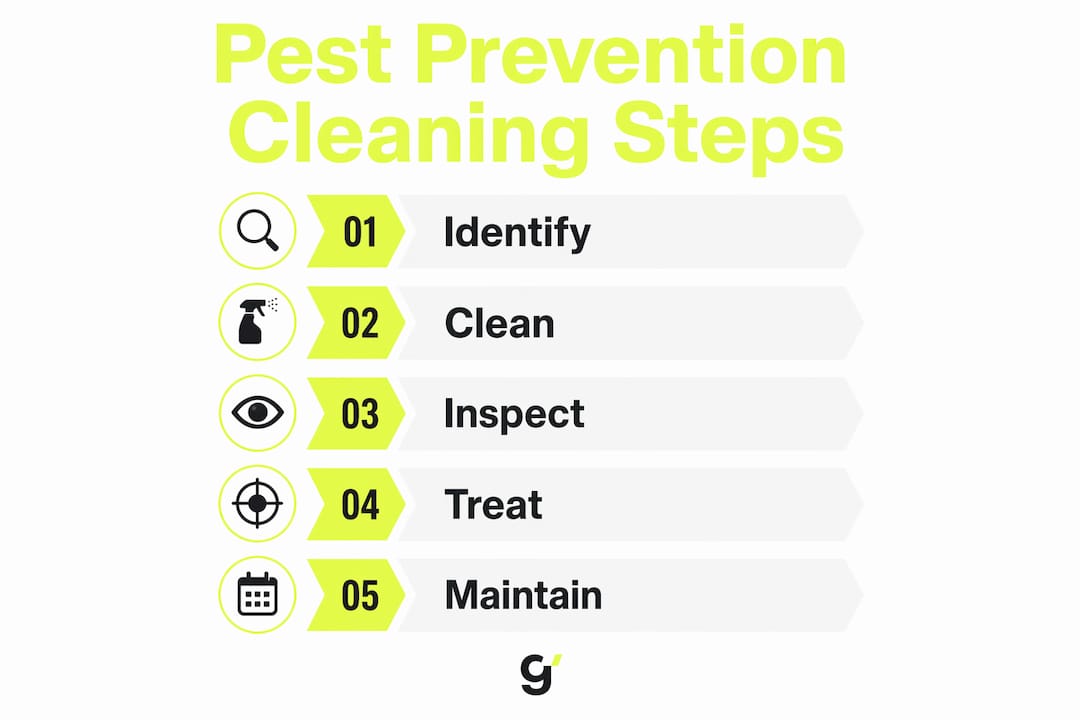
What gets overlooked is the sequencing. Most people clean after they notice a problem, then call a pest technician, then clean again. That order works against you. The correct sequence is: clean first (targeting conducive conditions), then treat, then proof. Cleaning after treatment without knowing the residual window undoes the technician's work. Proofing before cleaning means sealants fail within months because they were applied over grease and dust.
Short-term rental hosts face a compressed version of this problem every few days. The Scene Reset approach treats each turnover as a pest-prevention event, not just a cosmetic refresh. That shift in framing is what separates properties that stay pest-free from those that cycle through reactive treatments.
Eco-friendly products are not a compromise here. Non-toxic, residue-free agents are actually better suited to pest-prevention cleaning because they do not leave chemical films that interfere with bait stations or attract secondary debris. The efficacy of eco cleaning products against pest attractants is well established when the right product is matched to the right task.
Grimescene keeps your property pest-resistant between treatments
Pest prevention is not a one-off job. It is a maintenance discipline, and the cleaning component is where most properties fall short. Grimescene's eco-friendly services are built specifically for property managers, homeowners, and short-term rental hosts who need that discipline applied consistently and without harsh chemicals.

The Deep Decontamination Full Sweep neutralises organic residues, removes contamination safely, and prepares every surface for proofing. The short-term rental turnover service applies the Scene Reset protocol at every changeover, covering linen, bins, drains, and appliance gaps with non-toxic, bleach-free agents that are safe for families, pets, and the next guest. All services are available across Australia, with accurate quotes based on your property's actual scope. Book a site assessment or get a quote directly at grimescene.services.
Useful sources and further reading
The following sources underpin the guidance in this article and are worth consulting for deeper technical background.
- Pest Management Professional: Sanitation and IPM — industry-level explanation of conducive conditions, drain bio-sanitation, and why sanitation is foundational to any integrated pest management programme
- MDPI: Sanitation for stored-product pest management — peer-reviewed research on how sanitation measurably changes pest management outcomes and reduces long-term control costs
- US EPA: Do's and Don'ts of Pest Control — primary regulatory guidance on removing food, water, and shelter sources; practical and authoritative
- Mississippi State University Extension: Control Household Insect Pests — detailed guidance on sanitation, decluttering, and non-chemical pest management for residential properties
- Cornell University: Home Pest Cultural Controls — practical non-chemical management practices and sequencing advice for homeowners
- Hoffer Pest: Cleaning after pest control — specific guidance on re-entry times and safe cleaning windows after standard interior treatments
- Grimescene services — book a Deep Decontamination, Rapid Response, or short-term rental turnover service for your Australian property
| Source | Best used for |
|---|---|
| Pest Management Professional | Conducive conditions, drain bio-sanitation, IPM principles |
| MDPI entomology journal | Evidence base for sanitation efficacy in high-risk settings |
| US EPA pest control guidance | Food, water, shelter removal; regulatory baseline |
| MSU Extension | Residential sanitation and decluttering protocols |
| Cornell University extension | Non-chemical sequencing and home pest cultural controls |
| Hoffer Pest | Post-treatment cleaning windows and re-entry timing |