
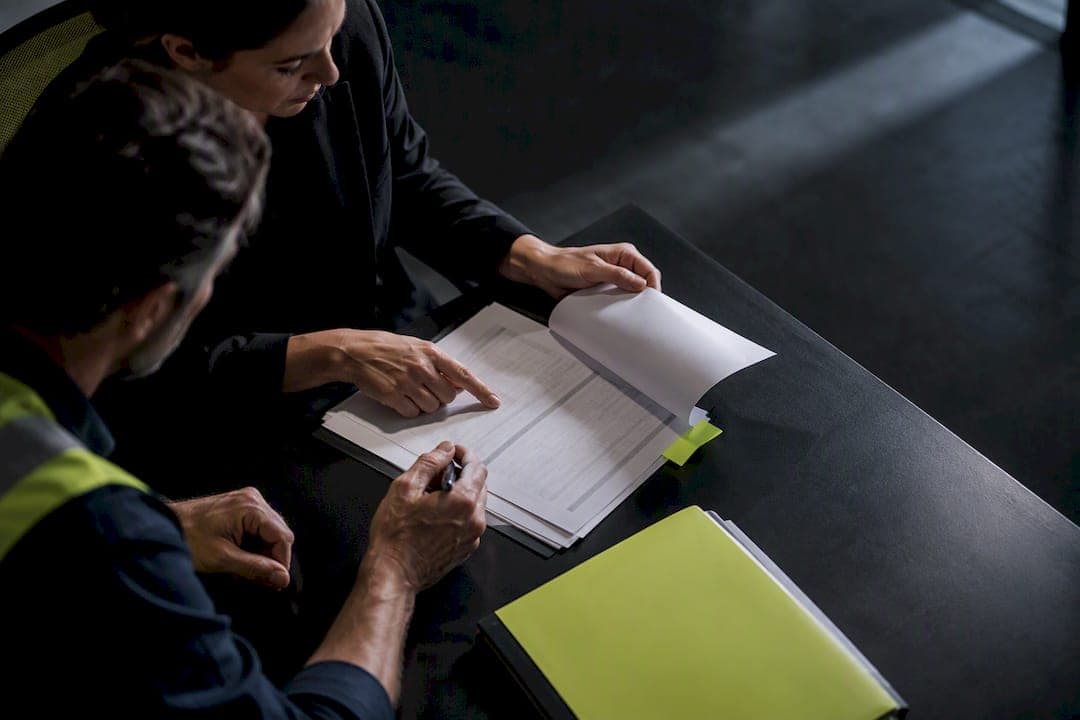
Under WHS law, a person conducting a business or undertaking must ensure workplaces are clean, safe and hygienic. That means documenting a risk-based cleaning schedule, keeping safety data sheets and a hazardous chemical register on hand, keeping training records current, and acting fast on high-touch areas. Guidance sits with Safe Work Australia, the TGA and the Department of Health.
TL;DR:
- Cleaning frequency should be scaled according to occupancy, risk level, and specific hazards, with high-touch surfaces cleaned multiple times daily during outbreaks.
- All hazardous chemicals require an up-to-date safety data sheet from an Australian supplier, and disinfectants must be used following exact label instructions and dwell times.
- Staff need recognised training, such as the Certificate III in Cleaning Operations, with detailed records kept to prove competency during inspections.
- Inspections focus on current SDS, chemical registers, cleaning logs, staff training records, and contractor agreements, with regular audits recommended.
- During outbreaks, increasing cleaning and disinfectant contact times, properly laundering reusable PPE, and clearly communicating changes are essential to contain infection risks effectively.
Table of Contents
- Who is legally responsible for workplace cleaning?
- What facilities must you provide and how often should they be cleaned?
- How do you manage cleaning chemicals and disinfectants safely?
- What training and qualifications matter for cleaning staff?
- What records do inspectors actually check?
- A practical checklist for workplace managers
- Getting audit-ready without doing it all yourself
- Do healthcare, offices and construction sites need different cleaning rules?
- What can employees expect, and how should they raise concerns?
- How should you respond to an infectious disease outbreak at work?
- Practical perspective: where to focus first
- How Grime Scene Services can help you stay compliant
- Sources
- FAQ
Who is legally responsible for workplace cleaning?
A PCBU (person conducting a business or undertaking) carries the primary duty to provide and maintain a workplace that is clean, safe and hygienic. That duty covers physical facilities, day-to-day housekeeping and how the business responses when something goes wrong, such as a spill, an infectious illness or a broken fixture in a bathroom.
The test the law applies is "reasonably practicable". A small office with a handful of staff does not need the same cleaning intensity as a busy warehouse with shared amenities and constant foot traffic. What matters is that the frequency and scope of cleaning match the actual risk: how many people use a space, what kind of work happens there and how likely contamination is.
State-based compliance codes add local detail on top of the national model code. WorkSafe Victoria's compliance code on workplace facilities is a useful example.
- Officers of a business have a duty to exercise due diligence, which includes checking that cleaning systems actually exist and are followed.
- Workers must cooperate with cleaning and hygiene procedures put in place for their safety.
- Contractors and visitors are covered by the same duty of care the PCBU owes to its own staff.
What facilities must you provide and how often should they be cleaned?
The model code requires PCBUs to provide toilets, handwashing facilities, clean drinking water, and eating areas separate from work that involves hazardous substances. Where the nature of the work requires it, showers and change rooms must also be provided and kept in working, hygienic order.
Cleaning frequency should scale with use and risk rather than follow a fixed rule for every site. A daily baseline suits most spaces, but shared amenities, high-touch surfaces and outbreak conditions call for more, a point the Department of Health's cleaning guidance makes clear when it stresses cleaning before disinfection.
A childcare centre or a commercial kitchen will need a tighter schedule than a low-occupancy office, and tailoring cleaning schedules to hazards is worth doing properly rather than copying a generic template.
| Area | Minimum baseline | Higher-risk trigger |
|---|---|---|
| Toilets and handwashing stations | Daily | Multiple shifts, high foot traffic |
| Kitchens and eating areas | Daily, after each use for shared equipment | Food handling, shared appliances |
| High-touch surfaces (door handles, switches, shared keyboards) | Daily | Illness in the workplace, flu season |
| Change rooms and showers | Daily | Physical or outdoor work, shared use |
| Shared tools and equipment | After each use | Multiple operators per shift |
How do you manage cleaning chemicals and disinfectants safely?
Every hazardous chemical used on site needs a safety data sheet on hand, and that SDS must be the version from the Australian supplier or importer rather than an overseas equivalent, a distinction the WorkSafe NT guidance on SDS preparation notes as a common audit failure. The Safe Work Australia code on hazardous chemicals also requires a hazardous chemical register, kept current and accessible to workers.
Disinfectant choice matters too. The TGA's guidance on appropriate disinfectant use recommends checking for ARTG listing where required, particularly for hospital-grade products or those used on medical devices, and following label dilution rates and contact times exactly.
- Store chemicals away from food preparation and eating areas, correctly labelled at all times.
- Check manifest thresholds; exceeding them triggers a duty to notify the regulator.
- Keep the current SDS with the product, not filed separately where staff cannot find it quickly.
- Review warning labels on cleaning products before purchasing, not after a complaint.
Pro Tip: Laminate a one-page dilution and contact-time chart and post it next to where chemicals are stored, it settles more disputes than any policy document.
For a plain-language walkthrough of the paperwork itself, reading an SDS properly is a skill worth teaching every new starter, not just the cleaning team.
What training and qualifications matter for cleaning staff?
Nationally recognised training gives you evidence of competency, which matters more than most managers expect during an audit. The Certificate III in Cleaning Operations (CPP30321) covers infection control, chemical handling and WHS procedures, and Certificate IV specialisations build on that for supervisory or specialist roles.
Day-to-day, staff need to know how to read an SDS, how long a disinfectant needs to sit on a surface to work, which PPE suits which task, and how to lift and carry safely.
- Colour-coded equipment prevents cross-contamination between bathrooms, kitchens and general areas.
- Manual handling training reduces the most common injury type in cleaning roles.
- Site inductions should cover the specific chemicals and equipment used at that location, not a generic list.
Whatever training you run, keep a record of who attended, what was covered and when. That record is what turns "we trained our staff" into proof.
What records do inspectors actually check?
An inspector visiting your site will usually look for five things: a cleaning log showing what was done and when, an up-to-date SDS register, a hazardous chemical register, training records, and any contractor agreements covering cleaning services. Gaps in any of these are the most common findings, alongside missing signage, inadequate PPE supplies and disinfectants used past their labelled dilution.
- Pull together your current SDS register and check every chemical on site is represented.
- Walk the site and compare what is actually stored against what is registered.
- Check cleaning logs for the last month: are they complete, dated and signed?
- Confirm training records exist for every staff member handling chemicals.
- Fix the gaps you find, then repeat the walk-through quarterly.
Well-organised SDS and a maintained hazardous chemical register remove some of the most frequent non-compliance findings, and a simple shared digital folder does that job as well as a physical binder.
A practical checklist for workplace managers
A short internal checklist beats a long policy document nobody reads. Cover facilities, schedules, chemicals, training and logs, then assign a next step and a date to anything marked "no".
- Are toilets, handwashing stations and eating areas provided and in working order?
- Is there a written, risk-based cleaning schedule for every area?
- Is the SDS register current and matched to what is actually stored on site?
- Has every relevant staff member received documented training?
- Are cleaning logs filled in and kept for at least the period your industry requires?
| Timeframe | Priority actions |
|---|---|
| — | Confirm SDS register matches stock, check signage and PPE supplies |
| — | Document a written cleaning schedule and confirm staff training records |
| — | Run a full internal audit and adjust frequency based on occupancy and activity |
A useful starting point is a risk-based cleaning frequency guide built around your actual site activity rather than a generic template.
Getting audit-ready without doing it all yourself
Specialist cleaning services exist that use non-toxic, bleach-free agents, which suit workplaces that need documented cleaning without the chemical residue that raises its own WHS questions. A "Scene Reset" protocol for rental turnovers applies the same before-and-after discipline that inspectors respond well to.
- Cleaning routines that generate the kind of dated record an inspector expects to see.
- Non-toxic agents that reduce the storage and labelling burden that comes with harsher chemicals.
- A hygiene checklist and audit pack for managers who want a starting template.
For businesses without a dedicated cleaning team, or one stretched thin during a busy period, contracting a specialist is often the faster way to close compliance gaps than building the whole system from scratch.
Do healthcare, offices and construction sites need different cleaning rules?
The baseline WHS duty to keep a workplace clean, safe and hygienic applies everywhere, but what that looks like in practice varies enormously by setting. Healthcare and residential aged care carry the strictest requirements, with the Department of Health's guidance specifying that cleaning must always precede disinfection and setting out frequency and PPE expectations for high-touch surfaces and shared equipment.
Office environments sit at the lighter end of the risk scale. Daily attention to toilets, kitchens and shared touchpoints such as door handles and lift buttons is usually sufficient, scaling up only during illness outbreaks or when occupancy spikes.
Construction and post-construction sites bring a different problem entirely: dust, debris and building materials rather than biological contamination. These sites need a distinct sweep once trades finish, focused on removing fine particulate and construction residue before a space is handed over or occupied.
Hospitality and food service overlap with both: food safety rules layer on top of general WHS cleaning duties, particularly around eating areas and shared kitchen equipment. Childcare centres carry their own intensity given the number of small children in close contact with shared surfaces and toys, and tailoring a schedule to that specific hazard profile matters more than applying an office-standard routine.
The common thread is that the cleaning schedule should reflect the actual activity and occupancy of the space, not a copied checklist from a different industry.

What can employees expect, and how should they raise concerns?
Workers have a right to a clean, hygienic workplace, and that right sits alongside a responsibility to use the facilities and procedures provided correctly. Leaving a shared kitchen in a mess, ignoring signage about wet floors, or bypassing PPE provided for a cleaning task undermines the system a PCBU has put in place.
When something falls short, whether that is an overflowing bin, a broken handwashing station or a disinfectant that clearly is not working, workers should raise it through the usual WHS reporting channel rather than waiting for the next scheduled clean. Most workplaces have a health and safety representative or a direct line to a manager for exactly this purpose, and raising a concern is protected activity under WHS law.
Workers also have the right to stop work or refuse a task if a cleanliness issue creates an immediate risk to health, such as exposure to an unlabelled chemical or a genuine biohazard. That right exists precisely because cleaning failures are not just an inconvenience, they can become a safety incident.
Managers who make reporting easy, through a simple form, a shared inbox or a visible contact on a noticeboard, tend to catch problems before they escalate into a formal complaint or a regulator visit. The record of that report, and the response to it, is also useful audit evidence in its own right.
How should you respond to an infectious disease outbreak at work?
An outbreak, whether it is a flu season spike or something more serious, calls for a temporary escalation of your existing cleaning schedule rather than a completely separate plan built from scratch. The Department of Health's guidance on cleaning and disinfection is written for health and aged care settings but its core sequence applies broadly: clean first, then disinfect, because dirt and residue reduce how well a disinfectant works.
Increase the frequency of cleaning on high-touch surfaces, door handles, shared equipment and communal areas, and extend that increased frequency for as long as the outbreak is active in your workplace. Where a disinfectant's dwell time matters, staff need to actually wait that long rather than wiping a surface dry immediately, which defeats the purpose of using it at all.
PPE use should scale with the situation, and any reusable items such as cloths or mop heads need proper laundering between uses rather than a quick rinse. Keep a record of the enhanced schedule you ran during the outbreak and when you stepped back down to normal frequency: that record demonstrates you responded proportionately rather than either ignoring the risk or overreacting indefinitely.
Communicate the change to staff clearly, including which areas are affected and for how long, so the enhanced routine is followed rather than quietly dropped after a few days.

Practical perspective: where to focus first
Most managers try to fix everything at once and end up with a policy nobody follows. Prioritise high-use, high-touch areas, document what you actually do, and revisit the schedule whenever staff numbers or activity change. Favour safer chemicals where you can, it cuts your compliance burden, and lean on a trusted contractor for specialist or urgent cleans rather than building that capability in-house.
— Lead
How Grime Scene Services can help you stay compliant
Compliance is easier when the cleaning itself does not create new problems to manage. Grime Scene Services' Premium Clean, Deep Decontamination and Final Case services use non-toxic, bleach-free agents, which means less time spent on chemical storage rules and hazard signage.
Compliance-focused engagements include documented routines, correct SDS handling and before-and-after reporting suitable for audit files. For urgent situations, the Rapid Response (2-Hour Tactical Clean) covers incidents that cannot wait for the next scheduled visit. Get in touch to talk through a routine patrol or a one-off decontamination for your site.
Sources
- Model code of practice: Managing the work environment and facilities (Safe Work Australia)
- Appropriate use of disinfectants (TGA)
FAQ
Do you need a licence to clean commercially in Australia?
There is no dedicated national licence for cleaning businesses, but every business needs an ABN and should check state or local permit requirements through ABLIS. Some specialist work, such as handling certain hazardous materials, may trigger additional obligations.
What are the key workplace safety standards for cleaning in Australia?
The core standard is the WHS duty for a PCBU to provide a clean, safe and hygienic workplace, detailed in Safe Work Australia's model code. This sits alongside chemical management rules covering SDS and hazardous chemical registers.
How long does a cleaning qualification take to complete?
Course length varies by provider and study mode, so check directly with a registered training organisation for the Certificate III in Cleaning Operations. It is not required to work as a cleaner, but it provides recognised evidence of competency for staff and contractors.
Do I need an ABN to start a cleaning business in Australia?
Yes, an ABN is required to operate a cleaning business and invoice clients legally. You can register through business.gov.au, which also lists any additional state or local permits that may apply to your services.
What is Grime Scene Services' approach to compliance-friendly cleaning?
Grime Scene Services uses non-toxic, bleach-free agents across its Premium Clean, Deep Decontamination and Final Case services, reducing the chemical storage and labelling burden that comes with harsher products. Engagements include before-and-after reporting that managers can use as audit evidence.